
Understanding ASEAN: Why This Southeast Asian Bloc Matters to the U.S.
Exploring ASEAN’s Role in Global Diplomacy, Economic Power, and U.S. Foreign Policy
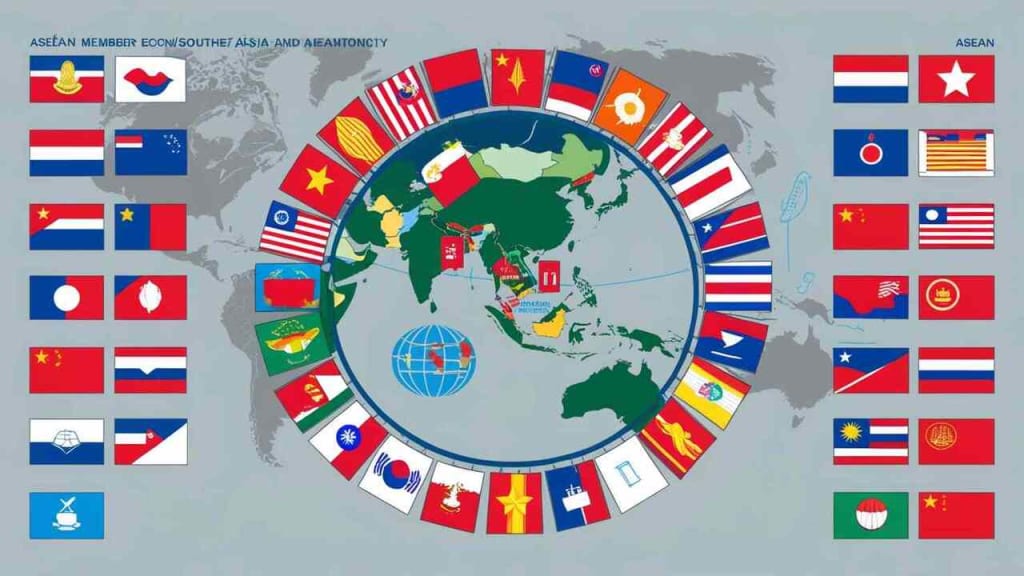
What Is ASEAN and Why Does It Matter to the United States?
BANGKOK (AP) — The recent Senate confirmation hearing for Pete Hegseth, President-elect Donald Trump’s nominee for defense secretary, sparked a significant debate about his understanding of international diplomacy. Sen. Tammy Duckworth questioned Hegseth’s knowledge of the Association of Southeast Asian Nations (ASEAN), highlighting the bloc’s growing relevance in U.S. foreign policy.
Hegseth stumbled when asked to name a single ASEAN member or describe the type of agreements the U.S. has with the group. He incorrectly referred to South Korea, Japan, and Australia, which are not ASEAN members. Duckworth pointed out the error, advising him to “do a little homework.” This exchange raises the question: What is ASEAN, and why is it critical to U.S. interests?
What Is ASEAN?
ASEAN is a regional organization established in 1967 with the aim of fostering economic and security cooperation among its members. The group includes 10 countries: Brunei, Cambodia, Indonesia, Laos, Malaysia, Myanmar, the Philippines, Singapore, Thailand, and Vietnam. East Timor is set to become the 11th member soon.
Collectively, ASEAN represents over 650 million people and boasts a combined GDP exceeding $3 trillion. Its mission revolves around promoting peace, stability, and economic growth in Southeast Asia, making it a key player in global geopolitics.
ASEAN’s Relevance in U.S. Foreign Policy
ASEAN plays a vital role in the U.S. strategy for the Indo-Pacific region, a hotspot for geopolitical competition. The U.S. has treaty alliances with two ASEAN members, Thailand and the Philippines, and relies on the bloc’s influence to counterbalance China’s growing assertiveness.
In 2022, President Joe Biden emphasized ASEAN’s importance by hosting its leaders in Washington and declaring the group “at the heart” of his Indo-Pacific strategy. The U.S. was also elevated to a “comprehensive strategic partnership” with ASEAN, a symbolic status matching China’s designation a year earlier.
The South China Sea Dispute
One of ASEAN’s most pressing issues is the territorial conflict in the South China Sea. Four ASEAN nations—Vietnam, the Philippines, Malaysia, and Brunei—are engaged in disputes with China over its expansive claims to the waterway. This region is one of the world’s most important shipping routes, making stability here a global concern.
China’s growing influence and aggressive tactics in the South China Sea have also alarmed Indonesia, which has raised concerns about Beijing’s activities in its exclusive economic zone. For the U.S., supporting ASEAN in these disputes is part of its broader effort to promote a “free and open Indo-Pacific.”
U.S.-ASEAN Defense Ties
The U.S. regularly participates in ASEAN’s defense and foreign ministerial meetings. These gatherings provide an opportunity for American officials, including the secretary of defense, to engage with their ASEAN counterparts and address shared challenges like regional security and counterterrorism.
ASEAN’s commitment to diplomacy and noninterference has made it a valuable platform for addressing major geopolitical issues. The bloc also holds summits with key global powers, including the U.S., China, Russia, Japan, and South Korea.
Economic Importance of ASEAN
ASEAN is a cornerstone of international trade. The bloc is central to the Regional Comprehensive Economic Partnership (RCEP), the largest trade agreement in history. Signed in 2020, RCEP includes ASEAN’s 10 members along with China, Japan, South Korea, Australia, and New Zealand. Together, these nations account for over 30% of the world’s population and GDP.
Several ASEAN countries are also part of the Comprehensive and Progressive Agreement for Trans-Pacific Partnership (CPTPP), a trade pact that includes members like Canada, Mexico, Japan, and Australia. These agreements highlight ASEAN’s pivotal role in shaping global trade policies.
Balancing Relations with Major Powers
ASEAN’s strategic location and diverse membership make it a unique player in international diplomacy. While some members have disputes with China, others maintain close economic ties with Beijing. This duality allows ASEAN to serve as a neutral forum for discussions involving major powers like the U.S., China, and Russia.
The bloc’s annual summits, such as the East Asia Summit and ASEAN Plus Three meetings, bring together leaders from across the globe. These events underscore ASEAN’s ability to mediate and address global challenges, from trade disputes to climate change.
Why ASEAN Knowledge Matters for U.S. Leadership
Sen. Duckworth’s questions to Pete Hegseth highlighted the importance of understanding ASEAN’s complexities. As the U.S. seeks to strengthen its ties with Southeast Asia, having informed leaders is essential. ASEAN’s influence in the Indo-Pacific, its economic power, and its role in balancing relations with China make it a critical partner for the U.S.
By fostering stronger ties with ASEAN, the U.S. can promote stability, support economic growth, and uphold the principles of a free and open region. As global competition intensifies, ASEAN’s significance is only expected to grow, making it a key focus for American foreign policy.
In conclusion, ASEAN is not just a regional bloc; it is a vital player in global affairs. For U.S. leaders like the secretary of defense, understanding ASEAN’s role and potential is essential to navigating the complexities of today’s geopolitical landscape.
About the Creator
Shadow Fist: A Gritty Independent MMA Drama From Andreas Szakacs Productions
At first glance, Shadow Fist appears to be a gritty mixed martial arts drama set in the underground fight scene of Mexico City. But beneath the punches, bruises, and adrenaline of the ring lies a deeper story—one about resilience, identity, and the difficult journey toward redemption.
By Andreas Szakacs7 days ago in Cleats
Living on Just a Few Spoonfuls a Day: The Woman Who Still Traveled to 28 Countries
For most people, traveling the world requires energy, stamina, and the ability to keep up with the physical demands of long journeys. But for one remarkable woman, even eating a normal meal is impossible. She can consume only three to four spoonfuls of food in an entire day. Yet despite this severe limitation, she has managed to travel to 28 countries, inspiring thousands with her determination and courage.
By Irshad Abbasi 4 days ago in Cleats




Comments
There are no comments for this story
Be the first to respond and start the conversation.