
UEFA’s #EqualGame Campaign: Championing Diversity and Inclusion in Football
Sports, FIFA, World Cup, Players, Ranking, Premier League, Golden Boots, Silver Boots, Tournament, Legends, Teams, and Fans

UEFA’s #EqualGame Campaign: Championing Diversity and Inclusion in Football
Football, often regarded as the beautiful game, has the power to bring people together, transcending boundaries of race, gender, and background. However, the global sport also faces challenges when it comes to diversity and inclusion. To combat these issues, the Union of European Football Associations (UEFA) launched the #EqualGame campaign, an initiative that embodies football's universal appeal and its potential to unite people from all walks of life. The campaign promotes inclusivity, respect, and diversity, striving to create a footballing environment where everyone, regardless of race, gender, ability, or background, is valued and treated equally.
Since its launch in 2017, UEFA’s #EqualGame campaign has been at the forefront of a movement that seeks to combat discrimination in football. It encourages clubs, players, and fans to embrace diversity and to challenge the prejudices that can sometimes plague the sport. In this article, we will explore the importance of the #EqualGame campaign, its goals, and its impact on the football community. By examining how the campaign has influenced attitudes within football and beyond, we can gain insight into how UEFA is using the power of the sport to promote positive change and foster an environment of equality.
1. The Origins of #EqualGame
The #EqualGame campaign was launched by UEFA in response to growing concerns around issues of discrimination, racism, and inequality within football. UEFA recognised that despite the universal appeal of the sport, the footballing world was not immune to prejudice, with players, coaches, officials, and fans often facing discrimination on the basis of their race, gender, sexuality, or disability.
Football, by its very nature, is a sport that brings together people from diverse backgrounds, yet issues such as racism, sexism, and ableism have persisted at various levels of the game. UEFA’s #EqualGame campaign seeks to address these issues by promoting the values of fairness, inclusivity, and respect. The initiative highlights the importance of creating a welcoming environment where everyone, regardless of their background, feels safe and valued within the football community.
The campaign's name, #EqualGame, symbolises the belief that football should be an equal playing field for everyone. UEFA’s message is simple: football is a game for all, and it should be enjoyed by everyone, regardless of who they are or where they come from.
2. Promoting Diversity and Respect
At its core, #EqualGame promotes diversity and respect, two values that are essential for building a more inclusive footballing world. The campaign works to combat discrimination, focusing not just on race and ethnicity, but also on issues of gender, sexual orientation, and disability. By addressing these key areas, UEFA aims to break down the barriers that prevent individuals from fully participating in the game.
One of the campaign’s primary goals is to challenge stereotypes and prejudices that can often manifest in the sport. For example, racism continues to be a major issue in football, with players of ethnic minority backgrounds often subjected to discriminatory abuse from fans, opposing players, and even officials. Through #EqualGame, UEFA seeks to create awareness about the harmful impact of racism and promote the message that everyone, regardless of their ethnicity, deserves to be treated with dignity and respect.
In addition to addressing racial discrimination, the #EqualGame campaign has also focused on gender equality. Women’s football has seen a rapid rise in popularity in recent years, but the sport continues to face significant challenges in terms of equal opportunities, pay, and visibility. UEFA is committed to supporting the growth of women’s football, and the #EqualGame campaign plays a crucial role in this by advocating for greater representation of women in the sport. The campaign challenges gender biases, promotes female participation at all levels, and ensures that women’s football is given the same respect as its male counterpart.
3. Breaking Down Barriers for Disabled Players
Another key focus of the #EqualGame campaign is to promote inclusivity for people with disabilities. Disability in sport has long been a contentious issue, with athletes often facing obstacles that hinder their participation in mainstream competitions. UEFA recognises that football should be accessible to everyone, regardless of their physical abilities, and has worked to create opportunities for disabled players to get involved in the game.
The campaign highlights the importance of providing platforms for disabled footballers to showcase their talent, and UEFA has supported several initiatives aimed at promoting the inclusion of people with disabilities in the sport. One notable example is UEFA’s partnership with the Special Olympics, which provides a platform for athletes with intellectual disabilities to compete in football tournaments across Europe. By supporting such initiatives, UEFA is sending a clear message that football should be open to all, regardless of ability.
Moreover, the campaign also advocates for better facilities, equipment, and training for disabled players, ensuring that they have the necessary resources to participate in the sport. UEFA’s work in this area has been instrumental in raising awareness about the challenges disabled players face and promoting the idea that football is a game for everyone.
4. The Role of Players and Clubs
UEFA recognises that the power of the #EqualGame campaign is amplified when players and clubs get involved. Many high-profile footballers have lent their support to the initiative, using their platforms to promote diversity and inclusion within the sport. Players such as Zlatan Ibrahimović, Sergio Ramos, and Ada Hegerberg have been vocal advocates of the campaign, using their influence to inspire change and raise awareness about the importance of equality in football.
Clubs, too, play an essential role in the campaign’s success. UEFA works closely with clubs to ensure that they adopt inclusive practices, both on and off the pitch. Many clubs have taken active steps to promote diversity, such as implementing anti-racism campaigns, offering support for female players, and developing inclusive fan initiatives. These efforts are crucial in creating an environment where football is accessible to all, and where discrimination is not tolerated.
UEFA also encourages clubs to provide education and training for players, coaches, and staff on the issues surrounding discrimination and inclusion. By doing so, UEFA ensures that the next generation of footballing professionals is equipped with the knowledge and tools needed to foster a more inclusive environment within the sport.
5. Engaging Fans and Communities
A crucial aspect of the #EqualGame campaign is its engagement with fans and communities. UEFA understands that football’s appeal lies not just in the players and clubs but also in the passionate support of fans. The campaign aims to mobilise fans to become active participants in the fight against discrimination. Through various outreach programmes, UEFA encourages fans to stand up against racism, sexism, and homophobia, creating a culture where everyone feels welcome in the footballing community.
UEFA also uses its platforms to engage with local communities, providing education on diversity and inclusion through grassroots initiatives. By working with local clubs, schools, and organisations, UEFA seeks to reach young people and instil in them the values of respect and equality. These grassroots programmes are crucial in ensuring that the next generation of football fans and players grow up with a mindset that values inclusivity and diversity.
The #EqualGame campaign also strives to create a safe and supportive environment for LGBTQ+ fans. Homophobia has been a longstanding issue in football, with LGBTQ+ supporters often facing hostility and discrimination. UEFA has partnered with organisations such as Football Against Racism in Europe (FARE) to ensure that LGBTQ+ fans are welcomed into the football community. Through the #EqualGame campaign, UEFA works to create stadiums and fan zones that are inclusive spaces where everyone can enjoy the game without fear of discrimination.
6. The Impact of #EqualGame
The impact of the #EqualGame campaign has been significant, with positive changes seen across the footballing landscape. One of the campaign's major successes is the increased awareness of diversity and inclusion issues within the sport. Through the campaign, UEFA has created a platform for open discussions about racism, sexism, and other forms of discrimination, encouraging players, coaches, and fans to reflect on their attitudes and behaviours.
UEFA’s efforts have also led to tangible changes in the sport, with many clubs and national associations implementing new policies to combat discrimination. For example, the introduction of stronger anti-racism measures in stadiums and stricter punishments for discriminatory behaviour have been key steps in creating a more inclusive environment for players and fans alike. Additionally, the increased visibility of women’s football, thanks in part to the #EqualGame campaign, has helped to elevate the status of the women’s game and inspire young girls to pursue careers in football.
Conclusion
UEFA’s #EqualGame campaign is an essential initiative that demonstrates the power of football to drive social change. By promoting diversity, respect, and inclusion, UEFA is working to ensure that football remains a game for all, regardless of who they are or where they come from. The campaign has already made a significant impact on the footballing world, but there is still much work to be done. Through continued efforts to challenge discrimination, promote equality, and engage with fans and communities, UEFA’s #EqualGame campaign will help shape the future of football – a future where everyone is welcome, respected, and valued.
About the Creator
Mutonga Kamau
Mutonga Kamau, founder of Mutonga Kamau & Associates, writes on relationships, sports, health, and society. Passionate about insights and engagement, he blends expertise with thoughtful storytelling to inspire meaningful conversations.
Keep reading
More stories from Mutonga Kamau and writers in Cleats and other communities.
Exploring UEFA’s Community Initiatives: Giving Back to Football
Exploring UEFA’s Community Initiatives: Giving Back to Football UEFA, the governing body for European football, is often seen as an organisation primarily focused on managing competitions like the Champions League, Europa League, and the European Championship. While these high-profile tournaments garner much of the attention, UEFA’s community initiatives are an equally vital aspect of its work. These initiatives, which aim to give back to the football community, focus on areas such as grassroots development, social inclusion, education, and charitable causes. Through these efforts, UEFA ensures that the sport not only thrives at the elite level but also reaches the heart of communities, contributing to the positive transformation of society as a whole.
By Mutonga Kamauabout a year ago in Cleats
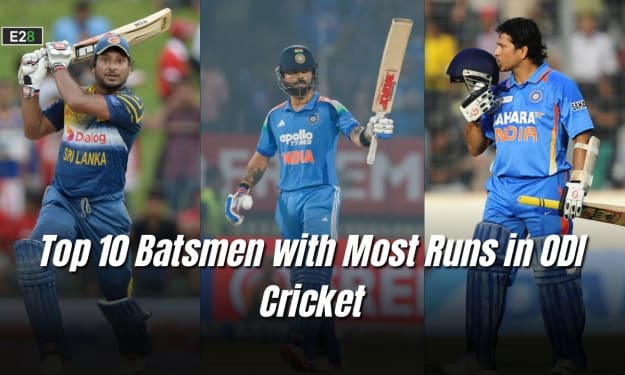
Top 10 Batsmen with Most Runs in ODI Cricket
One-Day International (ODI) cricket has seen many legendary batsmen who have left a lasting mark on the sport. These players are admired for their ability to score consistently, handle pressure, and build big innings. Over the years, ODI cricket has produced some of the finest batters who have achieved the most runs in ODI cricket.
By Sports Record and Stats about an hour ago in Cleats
Top 5 Highest Individual Scores for RCB in WPL
Royal Challengers Bangalore (RCB) has seen some incredible batting performances in the Women's Premier League (WPL). Over the seasons, several players have delivered match-winning innings, scoring big and giving RCB crucial advantages. The team's highest individual scores for RCB in WPL reflect both aggressive hitting and smart batting under pressure.
By Sports Record and Stats 4 days ago in Cleats
Wild Card Weekend Recap: What Happens Now?
I think I figured out why I love Wild Card Weekend so much. It's because it's the first playoff anything of the calendar year. The NFL season starts in the fall, and once upon a time, the champion was crowned either on or slightly before New Year's. The evolution of the NFL schedule has resulted in the playoffs starting just into the New Year, and currently, the final week of the season falls on the first weekend of the New Year, with Wild Card Weekend coming a week after that. So yes, chronologically, the NFL's Wild Card Weekend serves as the first playoff anything of the calendar year.
By Clyde E. Dawkins7 days ago in Unbalanced


Comments
There are no comments for this story
Be the first to respond and start the conversation.