
The Financial Landscape of UEFA: How Clubs Generate Revenue
Sports, FIFA, World Cup, Players, Ranking, Premier League, Golden Boots, Silver Boots, Tournament, Legends, Teams, and Fans

The Financial Landscape of UEFA: How Clubs Generate Revenue
Football, often referred to as “the beautiful game,” has evolved into a global industry worth billions. Behind the dazzling matches, iconic players, and roaring stadiums lies a carefully orchestrated financial framework that powers clubs and competitions. UEFA, as Europe’s football governing body, plays a pivotal role in this ecosystem, providing clubs with opportunities to generate revenue through its tournaments and associated initiatives.
This article delves into the financial landscape of UEFA and explores how clubs generate revenue, examining the key sources, challenges, and long-term sustainability of football’s economic model.
1. The Role of UEFA in Club Finances
UEFA oversees some of the most prestigious football tournaments, including the UEFA Champions League, Europa League, and the newly introduced Europa Conference League. These competitions serve as platforms not only for showcasing talent but also for generating significant revenue streams for participating clubs.
By organising tournaments that attract global audiences, UEFA creates opportunities for clubs to capitalise on broadcasting rights, sponsorship deals, ticket sales, and more. The financial incentives offered by UEFA competitions often play a decisive role in shaping a club’s season and long-term strategies.
2. Key Revenue Streams for Clubs
Football clubs rely on a diverse range of income sources to sustain their operations and remain competitive. Below are the primary revenue streams linked to UEFA competitions.
a. Broadcasting Rights
Broadcasting rights represent one of the most lucrative revenue sources for both UEFA and participating clubs. The Champions League, for instance, is broadcast in nearly every corner of the globe, with billions of fans tuning in to watch matches.
UEFA negotiates multi-year contracts with broadcasters, distributing the revenue among participating clubs based on performance and progression in the tournament. For clubs, even qualifying for the group stage can result in a substantial financial windfall, while advancing further leads to significantly higher pay-outs.
b. Sponsorship Deals
Sponsorship agreements are another critical revenue stream. UEFA competitions attract world-renowned brands eager to associate themselves with football’s prestige. These partnerships include official tournament sponsors and individual club sponsorships.
Clubs often leverage their participation in UEFA competitions to negotiate more favourable deals with sponsors, highlighting the increased exposure provided by these tournaments. The logos of major brands on team kits, advertising boards, and digital platforms are a testament to the power of sponsorship in football.
c. Match day Revenue
Matchday revenue encompasses ticket sales, hospitality packages, and merchandise sold during home games. For UEFA tournaments, the stakes are often higher, leading to packed stadiums and premium ticket pricing.
While this revenue stream depends on the club’s ability to host matches in their stadiums, the allure of European football often ensures a significant boost in matchday income compared to domestic league fixtures.
d. Prize Money
UEFA competitions offer substantial prize money to clubs based on their performance. The Champions League, in particular, boasts a tiered prize system, rewarding teams for victories, draws, and progression through each stage.
For many clubs, prize money from UEFA tournaments forms a vital part of their financial planning. It not only covers operational costs but also enables investments in player acquisitions, infrastructure, and youth development.
3. The Impact of Commercialisation
The financial success of UEFA competitions is largely attributed to the commercialisation of football. From high-profile sponsorships to strategic partnerships, commercialisation has transformed the sport into a global business.
However, this growth has sparked debates about the widening financial gap between elite clubs and smaller teams. The “big clubs” often dominate revenue streams due to their larger fan bases, higher sponsorship appeal, and consistent participation in UEFA competitions, leaving mid-sized and smaller clubs striving to keep up.
4. Balancing Finances: UEFA’s Financial Fair Play Regulations
To maintain fairness and sustainability, UEFA introduced the Financial Fair Play (FFP) regulations. These rules aim to prevent clubs from overspending and ensure they operate within their means.
Under FFP, clubs must balance their spending with revenue, limiting excessive reliance on external funding or debt. While the rules have faced criticism and calls for reform, they have helped promote financial responsibility and long-term stability across European football.
5. Challenges in Revenue Generation
Despite the vast revenue potential, clubs face several challenges in maximising their financial success:
Fluctuating Performance: Clubs’ income from UEFA competitions heavily depends on their performance. Failing to qualify for the group stages or an early exit can significantly impact budgets.
Economic Shocks: External factors, such as the global pandemic, have demonstrated how vulnerable clubs are to disruptions. Empty stadiums during COVID-19 led to significant losses in matchday revenue, forcing clubs to adapt.
Competition with Domestic Leagues: While UEFA tournaments are prestigious, clubs must balance their efforts with domestic league commitments, which also contribute to their revenue streams.
6. The Role of Fans in Revenue Generation
Football’s financial ecosystem would not exist without its passionate fan base. Fans drive revenue through ticket purchases, merchandise sales, and subscriptions to broadcasting services. Their emotional connection to the game ensures a steady demand for football-related content and experiences.
For clubs, maintaining fan engagement is crucial. Successful UEFA campaigns often strengthen the bond between fans and their clubs, leading to increased support and financial benefits.
7. Sustainability and the Future of UEFA Finances
As football continues to grow, ensuring sustainability is vital. UEFA has taken steps to address environmental and social concerns, promoting initiatives such as eco-friendly stadiums and community outreach programs.
On the financial front, the governing body aims to distribute revenues more equitably, supporting grassroots development and smaller clubs. These efforts reflect UEFA’s commitment to balancing growth with inclusivity and sustainability.
Conclusion: A Dynamic Financial Framework
The financial landscape of UEFA is a testament to football’s ability to transcend sport and operate as a global business. From broadcasting rights to sponsorship deals, the revenue streams generated by UEFA competitions provide clubs with opportunities to thrive, innovate, and compete at the highest level.
However, this success comes with challenges, including financial disparities and external disruptions. By prioritising sustainability, fairness, and fan engagement, UEFA and its affiliated clubs can continue to navigate this complex financial framework while preserving the essence of the beautiful game.
In the end, the financial health of European football is not just about numbers; it is about ensuring that the sport remains accessible, competitive, and inspiring for generations to come.
About the Creator
Mutonga Kamau
Mutonga Kamau, founder of Mutonga Kamau & Associates, writes on relationships, sports, health, and society. Passionate about insights and engagement, he blends expertise with thoughtful storytelling to inspire meaningful conversations.
Keep reading
More stories from Mutonga Kamau and writers in Cleats and other communities.
Top UEFA Goalscorers: Who Holds the Record?
Top UEFA Goalscorers: Who Holds the Record? Football is often described as the beautiful game, and one of its greatest spectacles is the art of scoring goals. Over the years, UEFA competitions, particularly the UEFA Champions League, have seen some of the most iconic goalscorers leave their indelible mark on the history of football. These players have thrilled fans with their ability to find the back of the net with remarkable consistency, often in the highest-pressure situations.
By Mutonga Kamauabout a year ago in Cleats
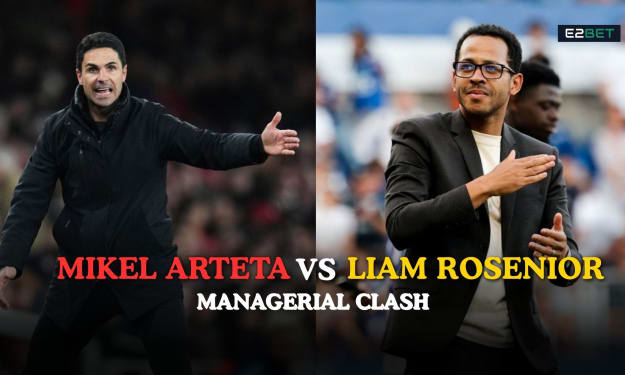
Mikel Arteta vs Liam Rosenior: A Managerial Clash Ahead of the Carabao Cup Semi-Final
Chelsea and Arsenal have a long history of competitive domestic encounters. This semi-final is particularly intriguing due to the managerial contrast. Chelsea recently appointed Liam Rosenior as their head coach, following the departure of Enzo Maresca just weeks earlier. Rosenior moved from Strasbourg to take charge of one of England's most high-profile jobs.
By Sports Record and Stats 5 days ago in Cleats
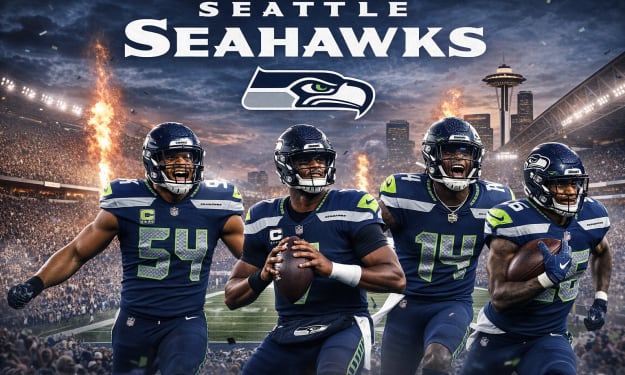
Seattle Seahawks – A Professional Overview of the American Football Team
**Seattle Seahawks – A Professional Overview of the American Football Team** The Seattle Seahawks are one of the most well-known teams in American football and a prominent member of the National Football League. Based in Seattle, Washington, the Seahawks compete in the NFC West division and have built a strong reputation through competitive performances, iconic players, and one of the most passionate fan bases in sports. Over the years, the team has developed a clear identity that combines toughness, athleticism, and a deep connection to its city.
By America today 2 days ago in Cleats
The Devil's Cut
“Comrade, finally you’re awake.” The voice was smooth, sensual. A flickering incandescent bar was all that lit the white, sterile room. All Vladimir remembered was everything going black. He tried to move his arms and found them strapped to the gurney.
By Matthew J. Fromm6 days ago in Fiction

Comments
There are no comments for this story
Be the first to respond and start the conversation.