
The "Fake Fan" is the Real Fan!
And a Critique on the Blind Loyalty in Sports

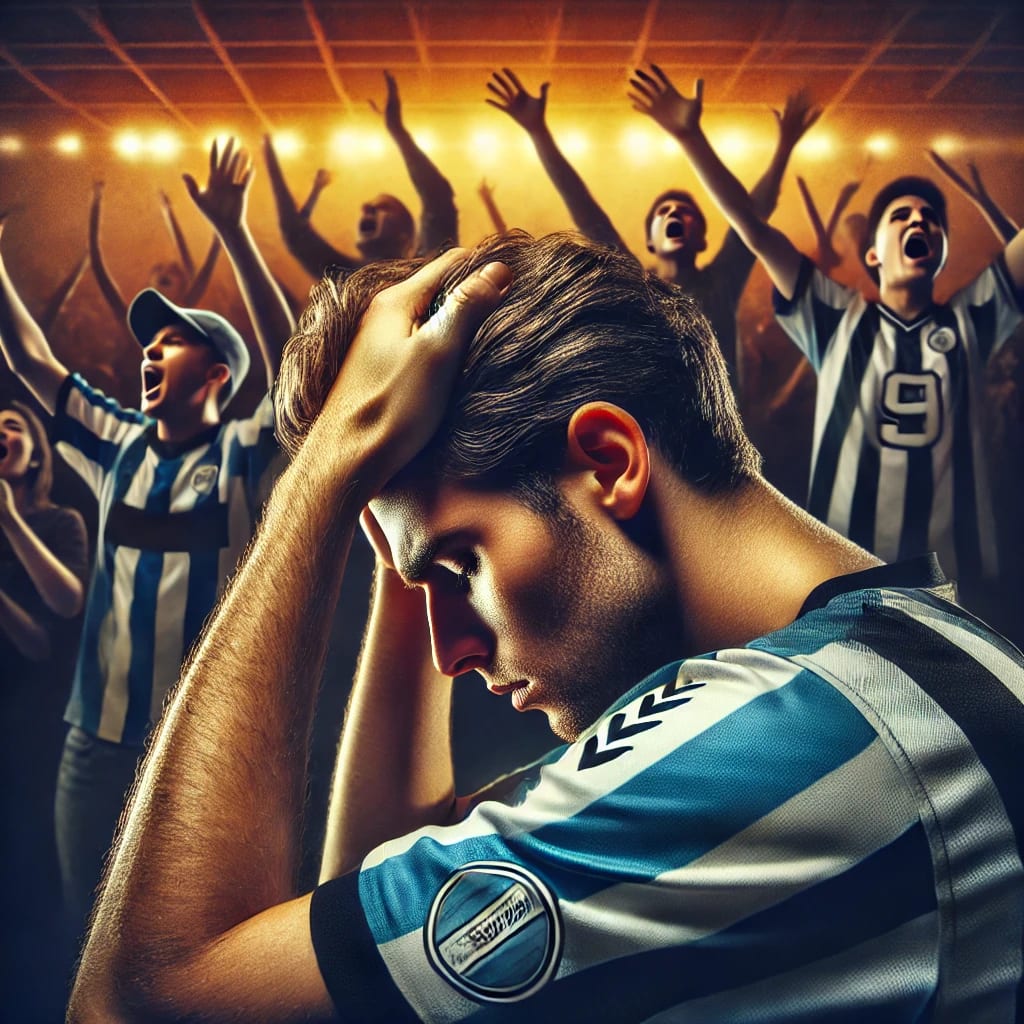
Sports are built on passion. The camaraderie, the shared excitement, the unwavering dedication to a team—it’s what makes sports more than just games. But there is a fine line between passion and fanaticism, and too many cross it without realizing. A troubling trend has emerged where criticism of a favorite team is equated to betrayal, where measured analysis is dismissed as disloyalty, and where calling out failure is seen as an attack rather than a demand for improvement. In this world, the idea of a "real fan" has become distorted.
At the core of fandom is love. Love for the game, love for the team, love for the moments that make it all worthwhile. But love does not mean blind devotion. In no other meaningful relationship—whether personal, professional, or ideological—is unquestioning loyalty considered healthy. A friend who never tells you when you’re wrong is not a true friend. A coach who never critiques his players will never lead them to victory. So why should a fan be expected to accept everything their team does without scrutiny?
The term "fake fan" gets thrown around with reckless abandon. If you dare to say your team is underperforming, if you question a coaching decision, if you point out an obvious flaw in strategy—you’re labeled as unfaithful. This mindset isn’t just absurd; it’s counterproductive. Constructive criticism is how teams get better. Holding an organization accountable doesn’t mean you’re abandoning them; it means you care enough to want them to succeed. Blind allegiance, on the other hand, leads nowhere.
History is filled with examples of fan bases demanding more and seeing results. Take the Green Bay Packers and their unique ownership structure—fans quite literally hold the team accountable because they have a stake in it. European soccer clubs often experience fan-led protests that lead to real changes in management. In contrast, franchises that thrive on complacency often find themselves trapped in mediocrity because their supporters accept failure without question.
Consider the New York Yankees in the early 1990s. Their fans, used to a history of dominance, were vocal in their dissatisfaction with the team’s struggles. That pressure, combined with front-office accountability, helped fuel the Yankees’ resurgence in the mid-to-late 90s, culminating in multiple championships. Fan engagement was not a hindrance; it was a catalyst for success.
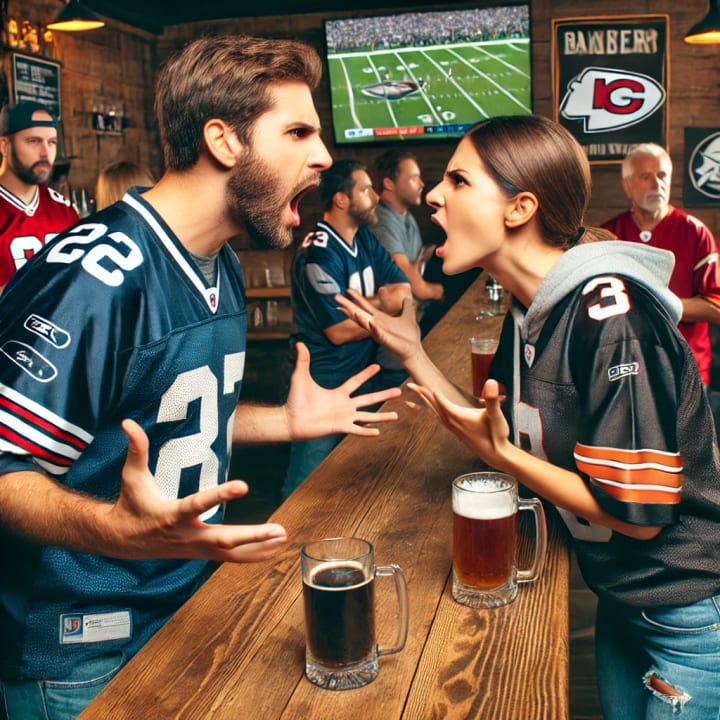
But fanaticism extends beyond sports. Politics, entertainment, even technology brands—each has its own cult-like following, where questioning the status quo is treated as heresy. Apple versus Android. Marvel versus DC. Left versus Right. The tribalism is the same: a refusal to accept that something you love can have flaws. This phenomenon has even reached media criticism, where any negative review of a beloved movie or show is met with hostility rather than discussion.
Social media only amplifies this effect. The echo chambers built around fandoms make it easy to shut out any opinion that doesn’t conform. Disagree with the prevailing sentiment, and you risk getting mobbed by those who refuse to hear a different perspective. This is not loyalty; it’s indoctrination. Algorithms favor outrage, rewarding those who shout the loudest while drowning out nuanced discussion. Instead of debates, we get dogpiles. Instead of thoughtful critique, we get blind allegiance.
Psychologically, this behavior stems from identity attachment. When people define themselves through a team, a brand, or a political movement, any critique of that entity feels like a personal attack. This phenomenon, known as identity-protective cognition, makes people resistant to facts that challenge their worldview. Instead of processing information objectively, they default to defending their allegiance, even at the cost of reason.
True fans, in any arena, understand that criticism is not an act of betrayal. It is an act of engagement. It is the difference between being a mindless consumer and an invested participant. The strongest fan bases are those that challenge their teams, that demand excellence, that celebrate victories but refuse to accept complacency.
So the next time someone tells you that criticizing your favorite team makes you a "fake fan," ask them this: what’s the point of supporting something if you aren’t willing to see it improve? Passion is not blind. Real love—whether for a team, a cause, or an idea—demands honesty. After all, isn’t that what being a *true* fan is all about?
About the Creator
Aiden Sage
I may appease you. I may offend you. But this I promise you—I can choose because I am real.
Keep reading
More stories from Aiden Sage and writers in Cleats and other communities.
Sincerely...
There was a time when words had weight. When ink on paper carried a permanence, an intimacy that no digital message could replicate. A time when writing a letter was not just an act of communication, but an act of presence—a deliberate offering of thought, time, and self. Today, that time is nearly gone. The handwritten letter has become an artifact, a relic of a slower world, replaced by the efficiency of texts, emails, and instant messaging. And with it, something deeply human has been lost.
By Aiden Sage12 months ago in History
Mikel Arteta vs Liam Rosenior: A Managerial Clash Ahead of the Carabao Cup Semi-Final
Chelsea and Arsenal have a long history of competitive domestic encounters. This semi-final is particularly intriguing due to the managerial contrast. Chelsea recently appointed Liam Rosenior as their head coach, following the departure of Enzo Maresca just weeks earlier. Rosenior moved from Strasbourg to take charge of one of England's most high-profile jobs.
By Sports Record and Stats 3 days ago in Cleats
Seattle Seahawks – A Professional Overview of the American Football Team
**Seattle Seahawks – A Professional Overview of the American Football Team** The Seattle Seahawks are one of the most well-known teams in American football and a prominent member of the National Football League. Based in Seattle, Washington, the Seahawks compete in the NFC West division and have built a strong reputation through competitive performances, iconic players, and one of the most passionate fan bases in sports. Over the years, the team has developed a clear identity that combines toughness, athleticism, and a deep connection to its city.
By America today about 6 hours ago in Cleats



Comments
There are no comments for this story
Be the first to respond and start the conversation.