
Russian Strike on Ukraine’s Kyiv Leaves 1,330 Buildings Still Without Heat, Mayor Says
Severe Russian attacks on Kyiv’s critical infrastructure have left hundreds of residential buildings without heating in sub‑zero winter conditions, compounding humanitarian hardships and highlighting the war’s ongoing toll.

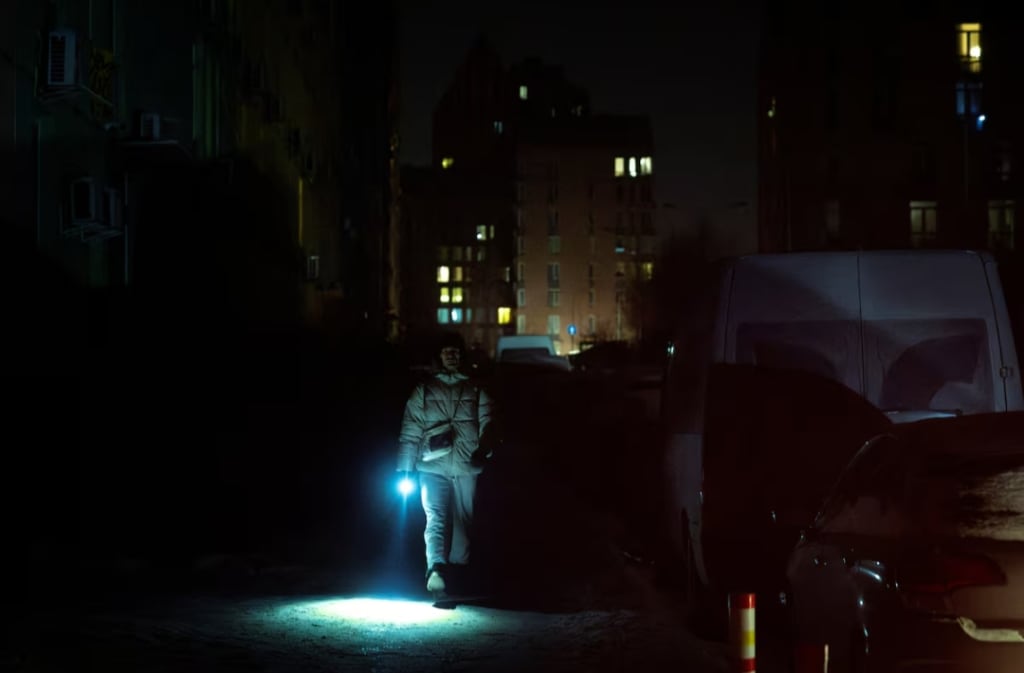
A Renewed Energy Crisis in Kyiv
Kyiv, Ukraine — A powerful Russian missile and drone strike on the Ukrainian capital’s energy infrastructure has left around 1,330 residential buildings in Kyiv still without heat, according to city authorities, as winter temperatures plunge across the region. The attack, part of a renewed Russian campaign targeting critical systems, has deepened hardships for residents already struggling through months of war and sub‑zero weather.
The latest data from Kyiv’s mayor, Vitali Klitschko, shows utility workers and energy technicians are racing to restore services after what local officials said was one of the most damaging assaults on the city’s energy grid this winter. Initial reports indicated that nearly 6,000 housing blocks were left without heating after the strike, but repairs have since brought that number down — still leaving many households vulnerable amid bitter cold.
---
The Scope of the Damage
The Russian attack — involving missiles and drones — struck Kyiv’s power and heat infrastructure in the early hours of January 24, 2026. The assault was part of an intensified bombardment of Ukraine’s energy facilities that has targeted substations, thermal plants, and electrical lines in a strategic push to degrade Ukraine’s ability to keep homes and services operational during winter.
Mayor Klitschko said the damage is widespread:
Nearly 1.2 million properties across Ukraine lost power during the attack.
In Kyiv alone, thousands of residential buildings lost heating as the power blackout hit essential infrastructure.
Energy crews have since worked around the clock. By late January 25, services were restored to over 4,000 buildings that had lost heat, but 1,330 apartment blocks remained without functioning heat systems, city officials reported.
---
Human Impact: Brutal Cold and Daily Life Disrupted
The loss of heat amid winter’s worst conditions has had an immediate and severe impact on Kyiv’s civilian population. Temperatures have dropped well below freezing — with nights plunging to −10°C (14°F) or lower — making heating essential for basic survival, especially for the elderly, children, and those with health vulnerabilities.
Residents in affected areas are coping with:
Rooms and apartments that remain dangerously cold.
Limited access to electricity and water as infrastructure struggles to recover.
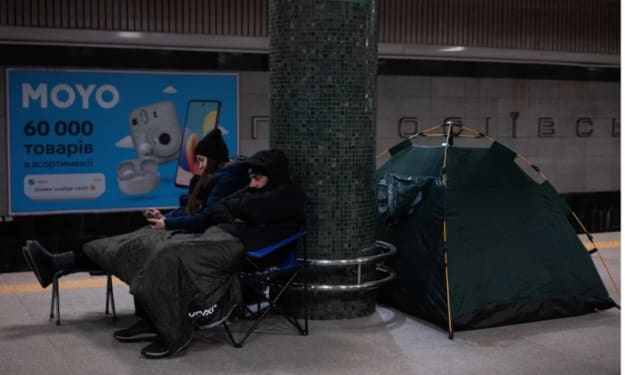
Mobile heating units and emergency “resilience points” set up by authorities providing some relief.
Interior Minister Ihor Klymenko confirmed that more than 1,300 heating tents and shelters have been deployed around the city to offer temporary warmth and support for those in need.
---
War Strategy or Humanitarian Assault?
This latest attack comes amid Russia’s continued strategy of targeting Ukraine’s energy grid, particularly in winter. Analysts and Ukrainian officials argue that repeated hits on critical infrastructure are intended to weaken public morale and strain the country’s ability to maintain basic services. Such tactics have drawn condemnation from Ukrainian leaders, who characterize these strikes as attacks not just on utilities but on civilian life itself.
President Volodymyr Zelenskyy has voiced international appeals for stronger defensive support to protect Ukraine’s energy networks and accused Russia of deliberately intensifying assaults during vulnerable winter months. He also emphasized how such strikes complicate peace negotiations and recovery efforts.
While Russia claims it targets military objectives, the destruction of substations and power corridors risks prolonged hardships for millions who depend on stable energy for heating and survival.
---
Response and Restoration Efforts
In response to the attack, Kyiv’s municipal authorities mobilized hundreds of emergency crews to reconnect heat to homes. By January 25, more than 340 buildings had their heat restored, and efforts continued across the city.
Municipal energy workers said the hardest hit areas remain on the left bank of the Dnipro River, where infrastructure damage is most severe and repairs more complicated. Officials reported that multiple outages over the past weeks — including earlier strikes on January 9 and January 20 — have tested the resilience of the city’s utilities and stretched repair crews thin.
Authorities have also worked to restore water supply and electricity to essential facilities, including hospitals and schools, to protect public health as cold weather persists.
---
Calls for International Assistance
Ukraine’s government has repeatedly urged international partners to increase support for:
Reinforcing air defense systems to better intercept missiles and drones.
Providing emergency energy infrastructure support.
Expanding humanitarian aid to assist civilians impacted by power and heat loss.
International leaders have expressed concern about the timing and scale of recent strikes, particularly as diplomatic efforts continue alongside ongoing conflict. However, foreign military assistance has been cautious, with allies balancing direct support and concerns over escalation.
---
Broader Consequences for Kyiv and Ukraine
This episode highlights how the war’s effects extend far beyond conventional battlefields. Targeting energy infrastructure not only disrupts utilities but also erodes civilian life quality, threatens public health, and undermines economic stability. For Kyiv — a city with more than 3 million residents — prolonged heating outages risk exacerbating winter’s toll and testing civilian resilience.
The persistence of these strikes underscores a grim reality: as the war enters its fourth year, the human cost continues to mount, with ordinary citizens bearing the brunt of strategic assaults on essential infrastructure.
---
Conclusion
The Russian strike that left 1,330 buildings without heat in Kyiv stands as a stark reminder of the immense hardship that war inflicts on civilian populations. With sub‑zero temperatures gripping the capital, ongoing energy restoration work, and a steady flow of international support, Kyiv’s residents cling to hope — even as the conflict’s human toll deepens. Continued diplomatic pressures and enhanced defensive efforts may shape the path forward, but for now, the recovery of heat and power remains a daily struggle for thousands of families.
About the Creator
Keep reading
More stories from Salaar Jamali and writers in Cleats and other communities.
Russian Strikes Knock Out Heat in Freezing Kyiv as Peace Talks Continue
Kyiv, Ukraine – As peace negotiations between Russia and Ukraine continue amid an ongoing conflict, Russian missile strikes have left large swaths of Kyiv without heat and electricity, plunging residents into freezing winter conditions. The attacks, targeting critical infrastructure, come at a time when temperatures in the Ukrainian capital have dropped well below freezing, compounding the challenges for civilians and emergency services alike.
By Salaar Jamali2 days ago in Cleats
Top 10 Greatest MLS Players of All Time – e2bdt
Major League Soccer (MLS) has grown tremendously since its inception in 1996. Over the years, it has attracted world-class international stars as well as talented domestic players, creating unforgettable moments and thrilling matches for fans. Soccer is increasingly becoming a major sport in the United States, rivaling traditional sports like basketball, baseball, and American football. The following ranking highlights the greatest MLS players of all time, celebrating their impact, records, and contributions to the league.
By Sports Record and Stats 3 days ago in Cleats



Comments
There are no comments for this story
Be the first to respond and start the conversation.