
Queen of Tears Explained: Themes of Love and Loyalty
An In-Depth Analysis of South Korea’s Latest Drama Sensation

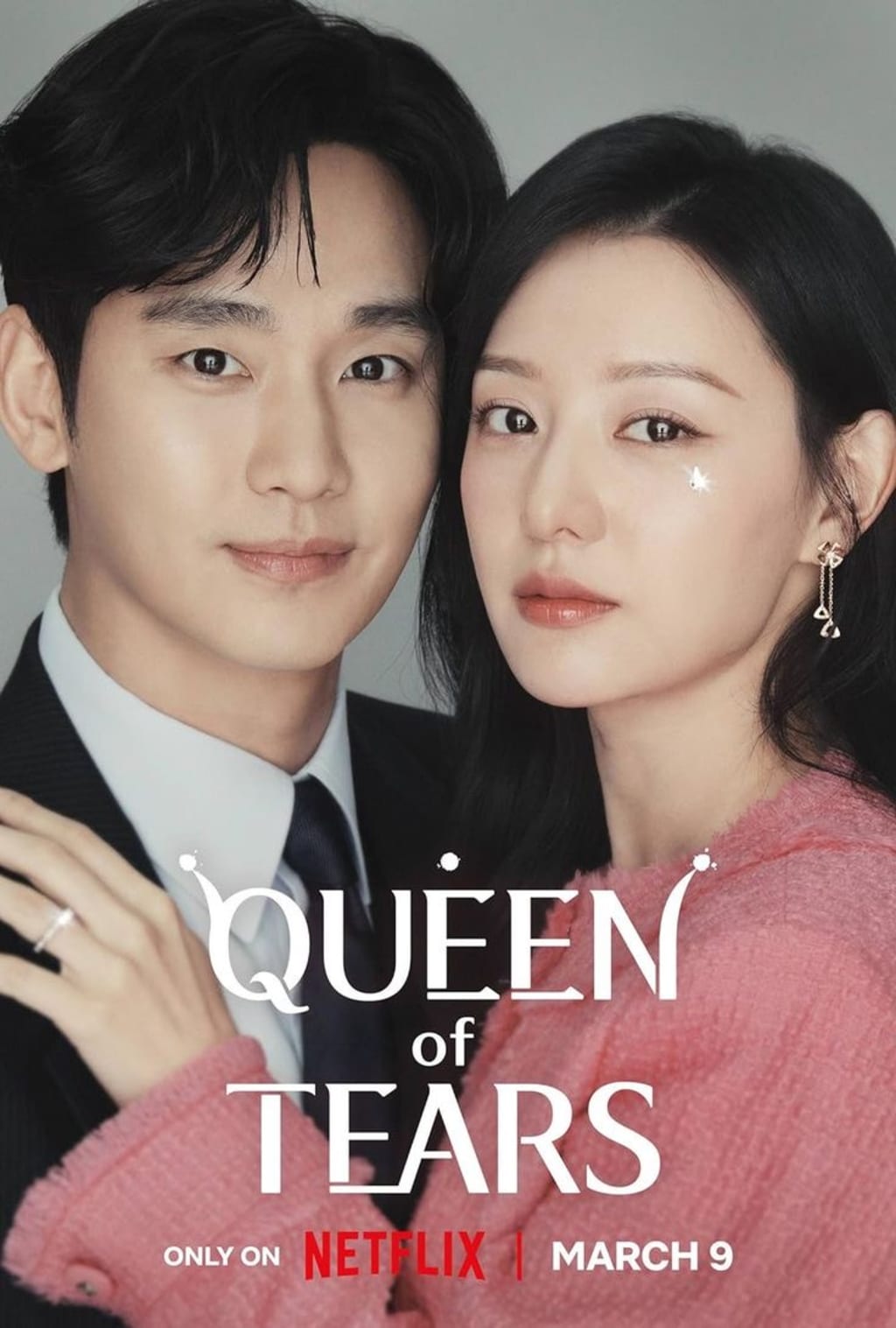
First Impressions of Queen of Tears
I started watching Queen of Tears with little knowledge beyond its intriguing title and the buzz surrounding the show. The story revolves around a married couple caught in a web of power, betrayal, and emotional conflict within a corporate family.It explores the complexities of love, loyalty, and personal growth within a struggling marriage. The story centers on Baek Hyun-woo, a humble small-town lawyer, and his wife, Hong Hae-in, the CEO of a luxury department store. The couple's relationship faces a crisis as they struggle to balance their vastly different lives and aspirations. Hyun-woo contemplates divorce but changes course when Hae-in reveals she has a terminal illness, sparking a bittersweet journey of rediscovery and support.
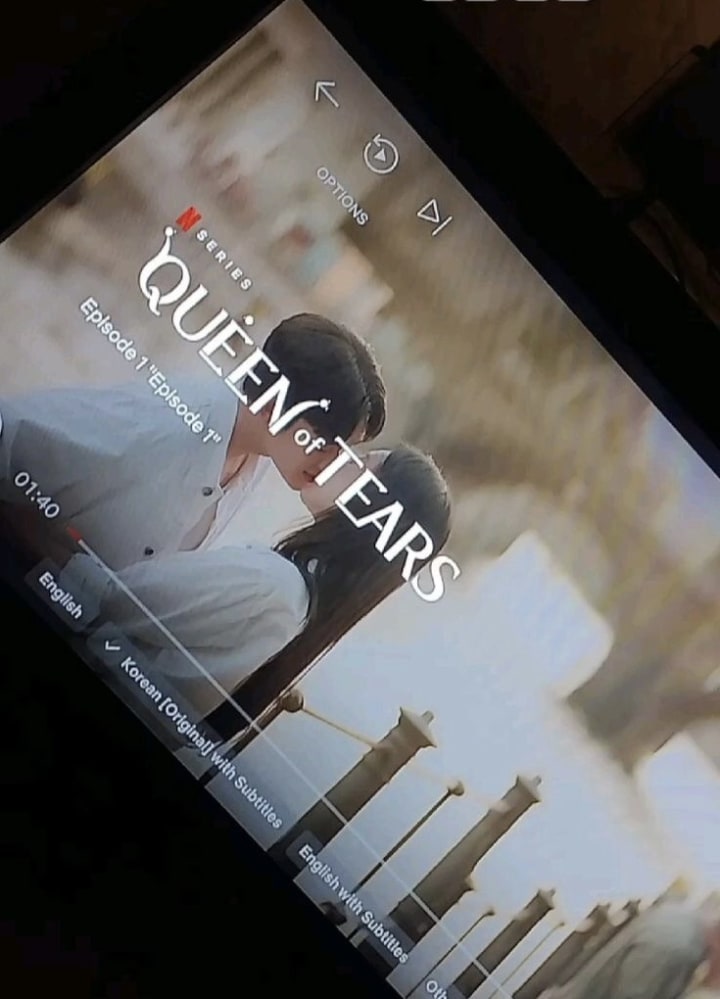
From the start, the setting pulls me in: the lavish, tense world of South Korean chaebols (family-owned business empires), where loyalty is tested, and secrets define relationships. The show’s initial episodes set up both the beauty and chaos of the lead characters’ lives, giving me a sense that each choice they make will echo through their family legacy.
Themes of Loyalty and Betrayal
As the show progresses, it becomes evident that *Queen of Tears* is deeply concerned with loyalty. The central couple, despite their differences and hardships, share a complicated bond marked by love, duty, and distrust. Watching these characters balance public appearances with private struggles highlights an overarching theme: can loyalty and love survive in a world where betrayal seems inevitable? The supporting characters add layers, exposing the many forms of loyalty—from familial to self-preservation. It’s fascinating to see these conflicts unfold within a family that must maintain a flawless facade to the outside world.
Visuals and Symbolism
The visual storytelling in *Queen of Tears* is exceptional, amplifying the emotional stakes. Scenes in the family’s corporate offices are cold, modern, and drenched in blue tones, contrasting sharply with the warmth of more personal, nostalgic spaces in the couple's home. This visual dichotomy underscores the divide between personal lives and public personas. The camera often lingers on symbolic objects—an heirloom ring, a fading family portrait—reminding us how memories and heritage shape (or haunt) the characters.
Cultural Commentary on Family and Power
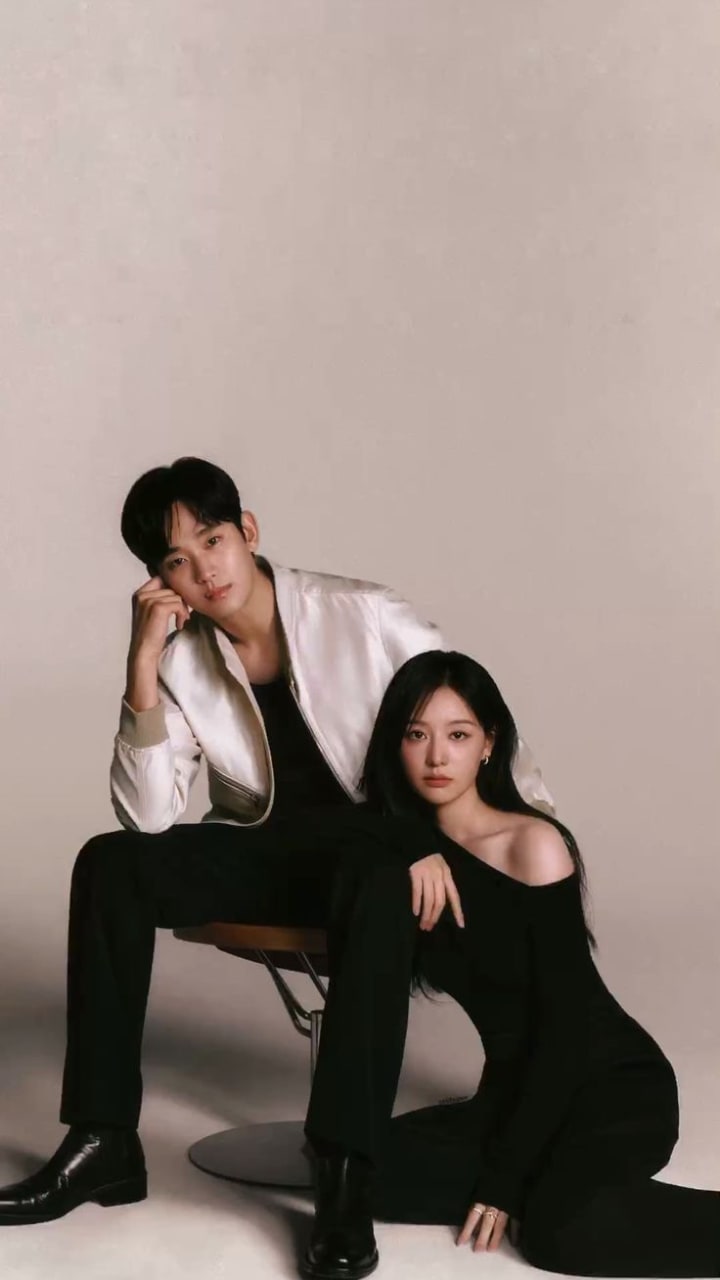
One of the elements I appreciate most is the cultural critique subtly woven into the storyline. *Queen of Tears* doesn’t just tell a love story or a drama about power; it examines the burdens of familial legacy and societal expectations. The series reflects the intense scrutiny faced by high-profile families in South Korea, where reputation and image often take precedence over personal happiness. As I watch, I realize that these characters are less in control of their lives than they think; they are bound by their family’s past decisions and the societal pressures of maintaining their status.
Final Thoughts
As I approach the finale, *Queen of Tears* leaves me both satisfied and contemplative. The characters’ choices, the intricate plot twists, and the show’s handling of loyalty, betrayal, and redemption make it a must-watch. It’s more than a love story or a power struggle—it's a deeply human narrative about navigating impossible expectations. Watching the leads question their own values and ultimately confront the weight of their actions is compelling and, at times, heartbreaking.
Queen of Tears Review and Analysis
If you’re a fan of shows that dive deep into family drama, toxic love, and corporate power struggles, then you’ll be glued to this one. Right from the first episode, it hits with that mix of tension and aesthetics we love in K-dramas, and it just gets messier (in the best way).
The main couple give serious complicated energy. Picture *Succession* vibes mixed with a dash of *The Glory* but make it all about the emotional rollercoaster that is family loyalty in the chaebol world. They’re together, but it feels like they’re on totally different pages. It’s intense, a bit tragic, and kind of makes you question if loyalty and love can survive in a family where image is everything.
One of the most captivating aspects of *Queen of Tears* is how it interweaves humor with vulnerability to deepen its characters and themes. The main character, Hyun-woo, often uses sarcasm to mask his insecurities and fears. This adds a relatable touch, as his reactions bring levity to otherwise weighty themes like mortality and resilience. Through this balance, the show reveals an "ugly truth" about relationships: love isn’t always the fairy tale we expect. Instead, it’s messy, challenging, and often demands sacrifices that push characters to their limits.
In many K-dramas, romance is idealized, showing couples who fall deeply and smoothly in love. But Queen of Tears departs from that by highlighting the gritty, everyday realities of marriage—moments of conflict, misunderstandings, and doubts that are just as real as the love binding the couple together. Hyun-woo initially finds himself bogged down in his own selfish motives, questioning if he should even stay with Hae-in. Yet, as he comes to terms with Hae-in's illness, his outlook begins to shift. His reluctant commitment transforms into a genuine desire to care for her, which helps him rediscover a deeper, more mature sense of love and companionship.
What makes this journey so impactful is how it aligns with the emotional arcs of many viewers, showing that true love is about navigating the lows together just as much as celebrating the highs. This theme resonates throughout the show, positioning *Queen of Tears* as a reflection on personal growth, sacrifice, and the realities of sustaining a long-term relationship. In Hae-in’s struggles and Hyun-woo’s evolution, viewers are invited to ponder what they might do in similar situations and to reflect on the relationships in their own lives. This makes the series not just a story but an experience—one that lingers in viewers' minds and hearts long after the screen fades to black.
Conclusion
If you’re interested in a drama that digs beneath the surface of wealth and power, *Queen of Tears* is worth the watch. It’s a story about resilience and the cost of ambition, and it reminds us that, sometimes, tears are the only way to cleanse a wounded heart.
About the Creator
Cindy🎀
Hey, I’m Cindy – a K-pop newbie turned addict with a keyboard and way too many opinions. When I’m not screaming about talented artists, I’m writing poetry or ranting about my life.
The Incomplete Mayo Cut Plug collector set
If you grew up around New England collectors, you probably heard about certain cards the same way older relatives talked about Ted Williams or Fenway before the renovations. Not as things they owned, but as things they once crossed paths with. An uncle might mention a tobacco card from the 1890s that passed through a local shop years ago, handled carefully, talked about for a bit, and then gone. More often than not, he was talking about the 1895 Mayo Cut Plug cards. The story usually carried a sense that you had missed something important.
By Glen Campbell5 days ago in Cleats


Comments
There are no comments for this story
Be the first to respond and start the conversation.