
How UEFA is Addressing Mental Health in Football
Sports, FIFA, World Cup, Players, Ranking, Premier League, Golden Boots, Silver Boots, Tournament, Legends, Teams, and Fans

How UEFA is Addressing Mental Health in Football
Football is often celebrated as a unifying force, bringing people together across cultures and nations. Yet, beneath the glamour and excitement of professional football lies a reality that is often overlooked: the mental health challenges faced by players, coaches, and even fans. UEFA, as the governing body of European football, has increasingly recognised the importance of addressing mental health issues within the sport. This article explores UEFA’s initiatives, the challenges faced by footballers, and the importance of prioritising mental health in the football community.
The Growing Awareness of Mental Health in Football
The pressures of professional football are immense. Players contend with high expectations from fans, media scrutiny, and the ever-present fear of injury or career setbacks. These challenges are compounded by the transient nature of football careers, which can leave players grappling with an uncertain future once they retire from the sport.
Historically, mental health in football was a taboo subject, with players often reluctant to seek help for fear of being perceived as weak. However, the narrative is shifting. High-profile players have begun speaking openly about their struggles, breaking down stigma and encouraging others to seek support.
UEFA has recognised this cultural shift and is taking proactive steps to address mental health as a critical component of player welfare.
UEFA’s Initiatives on Mental Health
Education and Awareness Campaigns
One of UEFA’s primary strategies is to increase awareness about mental health within the football community. Through educational campaigns, UEFA aims to equip players, coaches, and support staff with the knowledge to identify signs of mental health challenges and understand the importance of seeking help.
These campaigns also target fans, encouraging a more empathetic approach to players and reducing the stigma surrounding mental health in football.
Collaborations with Mental Health Organisations
UEFA has partnered with leading mental health organisations to provide resources and support for players and teams. These collaborations ensure that mental health initiatives are informed by expert knowledge and are tailored to the unique pressures of the football environment.
Player Support Systems
Recognising that players often face unique mental health challenges, UEFA has implemented systems to provide targeted support. These include access to mental health professionals, counselling services, and confidential helplines. By creating a supportive infrastructure, UEFA aims to make mental health care accessible and normalised within the sport.
Focus on Youth Development
Youth players are particularly vulnerable to mental health challenges as they navigate the transition from amateur to professional football. UEFA’s youth programmes incorporate mental health education and support, emphasising the importance of resilience and self-care from an early age.
Challenges in Addressing Mental Health
While UEFA’s initiatives represent significant progress, challenges remain. The culture of professional football, which often emphasises toughness and resilience, can make it difficult for players to prioritise their mental well-being. Additionally, the stigma surrounding mental health persists, despite efforts to break it down.
Another challenge is the diversity of mental health needs within the football community. Players come from different cultural backgrounds, each with varying attitudes towards mental health. Tailoring support to meet these diverse needs requires ongoing effort and sensitivity.
The Role of Clubs and Coaches
Clubs and coaches play a pivotal role in supporting players’ mental health. By fostering an environment where players feel valued beyond their performance on the pitch, clubs can create a culture of trust and openness. Coaches, in particular, are often the first point of contact for players facing challenges, making their understanding of mental health crucial.
UEFA’s coaching education programmes now include mental health training, equipping coaches with the tools to recognise and address issues within their teams. This holistic approach ensures that mental health is integrated into every aspect of player development.
The Impact on Fans
Mental health in football isn’t limited to players and staff; fans are also affected. The emotional highs and lows of supporting a team can have a significant impact on mental well-being. UEFA’s campaigns extend to fans, promoting mental health awareness and encouraging healthy expressions of passion and loyalty.
Why Mental Health Matters in Football
Football holds a unique position in society, with the power to influence millions of people. By prioritising mental health, UEFA is setting a powerful example for other sports and industries to follow. Addressing mental health not only benefits individuals but also enhances performance, teamwork, and the overall quality of the game.
Moreover, promoting mental health aligns with football’s core values of unity, respect, and inclusion. By taking care of its community, UEFA ensures that football remains a source of joy and inspiration for generations to come.
Stories of Resilience
The journey of addressing mental health in football is enriched by stories of resilience and recovery. Players who have overcome challenges often become advocates, using their platforms to inspire others. These stories humanise the sport, reminding fans that footballers are not just athletes but individuals with complex emotions and lives.
The Road Ahead
As UEFA continues to address mental health, the focus must remain on creating sustainable, inclusive, and effective solutions. This includes ongoing education, investment in resources, and fostering a culture of openness and support. Collaboration with clubs, national associations, and mental health experts will be essential in achieving these goals.
Conclusion
UEFA’s commitment to mental health marks a significant step forward in the evolution of football. By addressing the psychological challenges faced by players, coaches, and fans, UEFA is not only enhancing the sport but also contributing to a broader cultural shift towards prioritising mental well-being.
In a world where football is more than just a game, taking care of the mental health of its community ensures that the sport remains a positive force, inspiring and uniting people across the globe.
About the Creator
Mutonga Kamau
Mutonga Kamau, founder of Mutonga Kamau & Associates, writes on relationships, sports, health, and society. Passionate about insights and engagement, he blends expertise with thoughtful storytelling to inspire meaningful conversations.
Keep reading
More stories from Mutonga Kamau and writers in Cleats and other communities.
The Best UEFA Young Players to Watch: Future Stars
The Best UEFA Young Players to Watch: Future Stars Football has long been a breeding ground for extraordinary talent, and UEFA’s tournaments often serve as a showcase for the brightest young players destined to become global icons. These emerging stars captivate fans with their skills, determination, and potential to redefine the game. This article explores some of the most promising young players in UEFA competitions, highlighting their journey, playing style, and what makes them players to watch in the years to come.
By Mutonga Kamauabout a year ago in Cleats
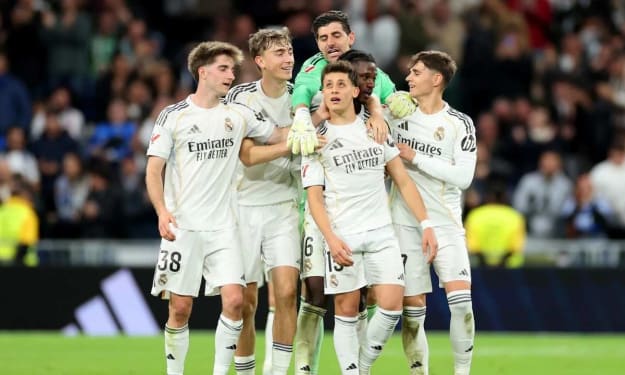
Real Madrid vs Elche Match Result 4–1 in La Liga
The title race at the top of La Liga remains intensely competitive, with Barcelona and Real Madrid both securing emphatic victories in Round 28 to maintain the status quo at the summit. As the season enters its crucial final stretch, the two Spanish giants are showing no signs of backing down, trading blows like heavyweight champions in a bid to seize control of the league.
By Football Scoreabout 6 hours ago in Cleats


Comments
There are no comments for this story
Be the first to respond and start the conversation.