
FIFA World Cup Top Scorers: Analysing Goal Machines Across the Ages
Sports, FIFA, World Cup, Players, Ranking, Golden Boots, Silver Boots, Tournament, Legends, Teams, and Fans

FIFA World Cup Top Scorers: Analysing Goal Machines Across the Ages
The FIFA World Cup is the pinnacle of football, a tournament that unites nations and showcases the best talents on the global stage. Among the many achievements in this storied competition, being a top scorer is a mark of greatness that cements a player’s legacy. These prolific goal scorers transcend the game, becoming symbols of excellence and inspiration for generations to come.
This article delves into the history of FIFA World Cup top scorers, examining their impact, playing styles, and the changing dynamics of goal-scoring across different eras.
The Pioneers: Early Goal Machines
The early years of the FIFA World Cup, starting with the inaugural tournament in 1930, laid the groundwork for some of the most iconic scoring feats. In the 1930 World Cup held in Uruguay, Guillermo Stábile of Argentina emerged as the tournament's first top scorer, netting eight goals. Stábile’s clinical finishing and composure in front of goal set the standard for future strikers.
By the time the World Cup was held in Switzerland in 1954, Hungary’s Sándor Kocsis had raised the bar by scoring an incredible 11 goals, a record for that time. Kocsis, known as "The Golden Head" for his aerial prowess, epitomised the effectiveness of a target man, blending skill with athleticism.
Eternal Icons: Pelé and the Evolution of Scoring
Pelé’s entry into the World Cup scene in 1958 revolutionised the way football was perceived globally. Although not the top scorer of that tournament, his six goals as a 17-year-old were instrumental in Brazil’s triumph. Pelé’s influence extended beyond goals; his ability to create scoring opportunities and dominate games brought a new dimension to attacking play.
The 1960s and 1970s saw a tactical shift in football, with teams placing greater emphasis on defence. Despite this, players like Gerd Müller of West Germany proved that goal-scoring remained an art form. Nicknamed "Der Bomber," Müller scored 10 goals in the 1970 World Cup and finished his World Cup career with 14 goals, a record that stood for 32 years. Müller’s poaching instincts and quick reactions in the penalty box exemplified efficiency and consistency.
The Modern Era: Records and Rivalries
The advent of the modern era of football brought advanced training methods, tactical innovations, and a more globalised pool of talent. It also ushered in new legends who dominated the scoring charts.
One such figure is Ronaldo Nazário of Brazil, who became a symbol of resilience and brilliance. After overcoming career-threatening injuries, Ronaldo scored a record-breaking 15th World Cup goal during the 2006 tournament in Germany, surpassing Gerd Müller’s tally. His clinical finishing, agility, and flair made him one of the most feared forwards in the game.
The record did not stand indefinitely, however. Miroslav Klose of Germany surpassed Ronaldo during the 2014 World Cup, reaching a total of 16 goals. Klose’s achievement was a testament to longevity and consistency. Unlike Ronaldo, Klose was not known for flashy skills but for his positioning, heading ability, and work ethic. His success highlighted the importance of adaptability in modern football.
Breakout Stars: When the World Watches
The World Cup has often served as a platform for lesser-known players to announce themselves on the global stage. James Rodríguez of Colombia is a prime example. In 2014, Rodríguez captured the world’s imagination by scoring six goals, including a stunning volley against Uruguay, which remains one of the competition’s most memorable moments. His performances epitomised the potential for players from emerging football nations to shine on the world stage.
Similarly, Just Fontaine’s feat in 1958 remains unparalleled. The French forward scored 13 goals in a single tournament, a record that still stands today. Fontaine’s achievement is remarkable not only for its scale but also for its consistency, as he scored in every match of the tournament.
Changing Dynamics of Goal Scoring
Over the decades, football has undergone significant tactical and technical changes, affecting how goals are scored and the role of top scorers. Early World Cups were characterised by high-scoring matches, often due to defensive naivety or mismatches between teams. As the game evolved, defences became more organised, and the average number of goals per match declined.
The role of forwards has also transformed. In earlier eras, strikers were primarily goal scorers, expected to finish moves with precision. Today, forwards are often multifaceted players who contribute to build-up play, press opponents, and create space for teammates. This evolution makes the achievements of modern top scorers even more impressive, as they must excel in a more complex tactical environment.
The Psychological Edge of Top Scorers
Being a top scorer in the World Cup requires more than physical ability; it demands mental fortitude. The pressure of performing on the biggest stage can be overwhelming, yet top scorers consistently rise to the occasion. Whether it’s the clinical calmness of Ronaldo Nazário or the relentless drive of Miroslav Klose, these players possess an unshakable belief in their abilities.
Legacy and Inspiration
The impact of FIFA World Cup top scorers extends beyond statistics. These players inspire future generations to dream big, regardless of their backgrounds. For instance, Pelé’s journey from a poor Brazilian neighbourhood to global stardom resonates with millions worldwide. Similarly, Ronaldo’s comeback from injury and Klose’s rise from humble beginnings to world champion highlight the resilience and determination inherent in the sport.
These icons also serve as ambassadors for football, promoting the game’s values of hard work, teamwork, and passion. Their legacies are immortalised not only in record books but also in the hearts of fans.
The Future of Goal Scoring
As football continues to evolve, new stars will emerge to challenge existing records and redefine what it means to be a top scorer. Advances in sports science, data analytics, and tactical innovations will undoubtedly shape the next generation of goal-scoring legends.
The FIFA World Cup remains the ultimate stage for these players to showcase their talents. While records are meant to be broken, the stories behind them; the sacrifices, struggles, and triumphs are what truly capture the essence of football.
Conclusion
The FIFA World Cup’s top scorers are more than just goal machines; they are embodiments of football’s magic and its ability to unite people across the globe. From the pioneers like Guillermo Stábile to modern legends like Miroslav Klose, these players remind us why we love the beautiful game. Their stories are not just about goals but about passion, perseverance, and the enduring power of football to inspire.
About the Creator
Mutonga Kamau
Mutonga Kamau, founder of Mutonga Kamau & Associates, writes on relationships, sports, health, and society. Passionate about insights and engagement, he blends expertise with thoughtful storytelling to inspire meaningful conversations.
Keep reading
More stories from Mutonga Kamau and writers in Cleats and other communities.
FIFA World Cup: The Most Memorable Goal Celebrations
FIFA World Cup: The Most Memorable Goal Celebrations The FIFA World Cup, the pinnacle of international football, has produced some of the most iconic and unforgettable moments in the history of sports. As much as the matches themselves are celebrated, the players’ reactions to scoring are often just as memorable. Goal celebrations have evolved over the years, with some becoming as famous as the goals themselves. These celebrations encapsulate the passion, joy, and sheer emotion of scoring on the world’s grandest football stage. This article delves into the most memorable goal celebrations in World Cup history, exploring the stories behind them, the impact they had on fans, and the cultural significance of these jubilant moments.
By Mutonga Kamauabout a year ago in Cleats
IND vs ZIM: Pride, Pressure, and a Growing Rivalry
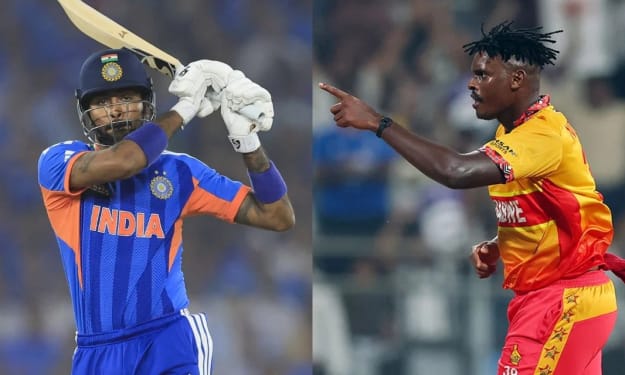
Some cricket matches carry decades of history and fierce rivalry. Others grow slowly, shaped by changing teams and fresh ambition. IND vs ZIM belongs to the second kind. On paper, India often enters as the favorite. Zimbabwe is usually seen as the underdog. But cricket has never been decided by reputation alone. One inspired spell of bowling or one fearless innings can shift everything. For Zimbabwe, facing India is a chance to prove strength on a global stage. For India, it is a test of focus and depth. Every IND vs ZIM match tells a story about confidence, growth, and belief. And with each new series, that story becomes more layered and more compelling.
By Muqadas khan7 days ago in Cleats


Comments
There are no comments for this story
Be the first to respond and start the conversation.