
Cabinet Authorised Joining Gaza Board of Peace: PM
Government signals diplomatic engagement and humanitarian commitment amid escalating Middle East tensions

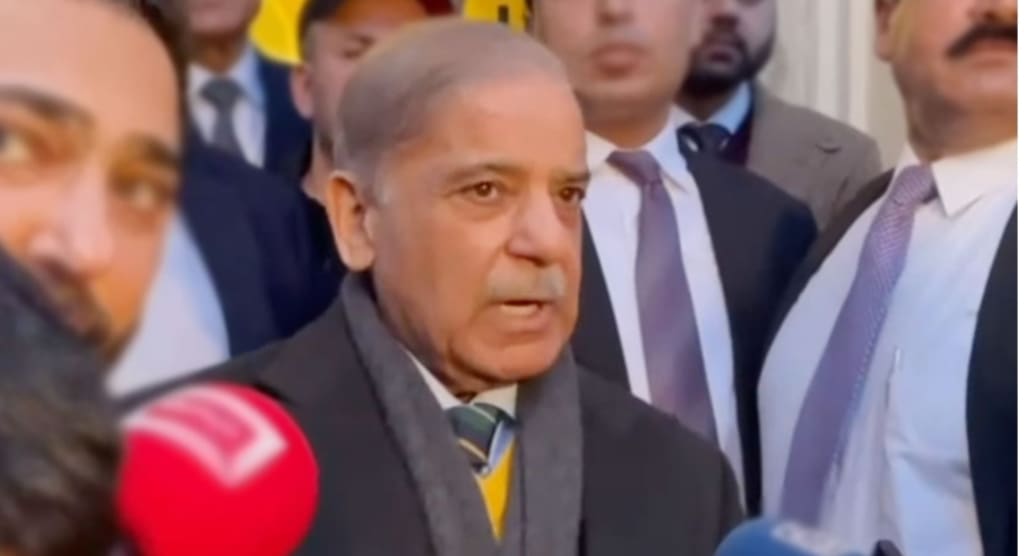
The Prime Minister has announced that the federal cabinet has formally authorised the country to join the proposed Gaza Board of Peace, a multilateral initiative aimed at promoting ceasefire, humanitarian access, and long-term political dialogue in Gaza. The decision, approved after extensive cabinet deliberations, reflects a strategic shift toward more active diplomatic engagement in one of the world’s most protracted and volatile conflicts.
Speaking at a press briefing, the Prime Minister said the move was guided by “a clear moral responsibility and a practical diplomatic calculation,” emphasising that silence or disengagement was no longer an option as the humanitarian crisis in Gaza continues to deepen. The Gaza Board of Peace, according to government officials, is envisioned as an international platform bringing together states, humanitarian organisations, and conflict-resolution experts to push for de-escalation, reconstruction, and inclusive political talks.
What is the Gaza Board of Peace?
The Gaza Board of Peace is a proposed international forum designed to coordinate peace efforts specifically focused on Gaza. Unlike traditional diplomatic tracks that are often tied to broader Middle East negotiations, this board aims to concentrate on immediate humanitarian needs while laying the groundwork for longer-term stability.
According to preliminary outlines shared by the Prime Minister’s Office, the board’s mandate would include advocating for sustained ceasefires, facilitating humanitarian corridors, supporting post-conflict reconstruction, and encouraging dialogue among relevant stakeholders. The initiative is expected to work alongside existing international mechanisms rather than replace them, filling gaps where political deadlock has stalled progress.
Government sources say the board will also prioritise civilian protection, rebuilding critical infrastructure such as hospitals and schools, and ensuring that humanitarian assistance reaches those most in need without political obstruction.
Cabinet’s Rationale Behind the Decision
The Prime Minister explained that the cabinet’s authorisation came after careful assessment of diplomatic risks and opportunities. Ministers were briefed on regional dynamics, international legal considerations, and the potential impact on foreign relations. Ultimately, the cabinet agreed that joining the Gaza Board of Peace aligns with the country’s longstanding commitment to international peace, justice, and humanitarian principles.
“This is not about taking sides in a conflict,” the Prime Minister stated. “It is about standing with civilians, upholding international law, and contributing constructively to peace.”
Officials also highlighted that participation in the board would give the country a voice in shaping discussions rather than remaining a passive observer. By being at the table, the government believes it can advocate more effectively for ceasefire compliance, humanitarian access, and political solutions grounded in dialogue rather than force.
Humanitarian Imperative at the Core
At the heart of the cabinet’s decision lies the worsening humanitarian situation in Gaza. Months of conflict have resulted in extensive civilian casualties, displacement, and the destruction of essential infrastructure. International aid agencies have repeatedly warned of shortages of food, clean water, medical supplies, and electricity.
The Prime Minister acknowledged these concerns, noting that humanitarian arguments weighed heavily in cabinet discussions. Joining the Gaza Board of Peace, he said, would allow the country to coordinate aid efforts more efficiently and support international calls for unimpeded humanitarian access.
“This initiative gives us a structured way to turn our concern into action,” he added.
Domestic and International Reactions
The announcement has drawn mixed reactions domestically. Supporters argue that the move enhances the country’s moral standing and demonstrates responsible global citizenship. They see participation in the Gaza Board of Peace as a way to project soft power and reinforce commitments to human rights and conflict resolution.
Critics, however, have raised questions about the board’s effectiveness and potential political repercussions. Some opposition figures cautioned that involvement in such initiatives can be symbolic without producing tangible results, while others expressed concern about straining relations with key international partners who may hold differing views on the conflict.
Internationally, the decision has been welcomed by several humanitarian organisations and peace advocates, who see broader participation as essential to any meaningful de-escalation effort. Diplomatic observers note that growing international fatigue with the ongoing conflict has created space for new forums like the Gaza Board of Peace to gain traction.
What Comes Next?
Following cabinet authorisation, the government is expected to formally notify the organisers of the Gaza Board of Peace and nominate its representatives. These representatives are likely to include senior diplomats and experts in international law and humanitarian affairs.
The Prime Minister indicated that participation would be guided by clear objectives, including advocating for civilian protection, supporting reconstruction initiatives, and encouraging inclusive political dialogue. Regular briefings to parliament are also expected to ensure transparency and accountability regarding the country’s role and contributions.
A Measured Step Toward Engagement
While the Gaza Board of Peace is still in its early stages, the cabinet’s decision marks a significant step toward more proactive engagement with the Gaza crisis. It signals a willingness to move beyond statements of concern and contribute to structured international efforts aimed at peace and relief.
In his closing remarks, the Prime Minister struck a cautious but hopeful tone. “No single initiative can resolve decades of conflict,” he said. “But peace is built through consistent efforts, principled engagement, and the courage to try. Joining the Gaza Board of Peace is one such effort.”
As the situation in Gaza continues to evolve, the effectiveness of this decision will ultimately be measured not by diplomatic announcements but by tangible improvements in the lives of civilians caught in the conflict.
About the Creator
Keep reading
More stories from Salaar Jamali and writers in Cleats and other communities.
Bangladesh Defy ICC Ultimatum, Refuse to Tour India for T20 World Cup
In a dramatic turn of events that has sent shockwaves across the cricketing world, the Bangladesh Cricket Board (BCB) has officially refused to send its team to India for the upcoming ICC T20 World Cup, defying an ultimatum issued by the International Cricket Council (ICC). The decision marks an unprecedented standoff between a national cricket board and the sport’s governing body, raising questions about diplomacy, scheduling, and the governance of international cricket.
By Salaar Jamali2 days ago in Cleats
Top 10 Greatest MLS Players of All Time – e2bdt
Major League Soccer (MLS) has grown tremendously since its inception in 1996. Over the years, it has attracted world-class international stars as well as talented domestic players, creating unforgettable moments and thrilling matches for fans. Soccer is increasingly becoming a major sport in the United States, rivaling traditional sports like basketball, baseball, and American football. The following ranking highlights the greatest MLS players of all time, celebrating their impact, records, and contributions to the league.
By Sports Record and Stats a day ago in Cleats



Comments
There are no comments for this story
Be the first to respond and start the conversation.