


Zenkner Glassworks - Bohemia.
Glassworks were scattered all over the Jizera Mountains of Northern Bohemia by the 1600's, in small villages with names like Josephthal, Hut, Gablonz, Pencin, Antoniwald, Morchenstern, Daubitz, Haida, Bedrichov, Harrachdorf and many others. Hundreds of them. Mostly small, but some quite large that employed hundreds of workers. Some continued on into the present day, like the Friedrich Glassworks in Chribska (closed now since 2012 but under new ownership), or the glassworks in Harrachov (now the oldest continuously operating glassworks in Czech Republic), but most opened, made glass rods, cups, bowls, window panes, beads, buttons and bangles, then sold, changed ownership, went bankrupt or closed down. Most of the support villages would have been abandoned along with the closed factory, as there would be no other need for a village. Written records housed in Government archives and museums have kept some of them alive, along with pieces on display in such museums as the Jablonec Museum of Glass and Jewelry which document the makers of each piece, but for the most part these glassworks and their owners have vanished from our memories.
https://www.linkedin.com/pulse/20141113075419-107073626-the-glass-road-of-europe?trk=mp-reader-card
One glassworks family which has stayed in our memories through documents and some archival records is the Zenkner family of Antoniwald.
A member of the Zenkner family living in Washington state, USA made a concerted effort to research his family origins using ancestry.com and a book written by a pastor from Antoniwald memorializing the Zenkner family and glassworks from the 1700's.
Title: Gedenbuch der Familie Zenkner (Memorial Book of the Family Zenkner)
Author: Johann Nep. Hrdý
Repository: Archiv Pro Dějiny Průmyslu, Obchodu a Technické Práze (Archive for History of Industry, Trade and Technical Work in Prague)
Cover page (dedication) translates to: This is dedicated to Bruno Zenkner, glassware exporter in Josefsthal, in sincere respect, by Johann Nep. Hrdý, former pastor at Castle Josefsthal.
“Elias Zenkner was invited to come to Bohemia by the local Duke (Gallas) in Bohemia to open a glass house in the late 1600s. The original Zenkner glass house or factory is shown.”

Original Zenkner Glass House/Factory.
Realistically, this would be the Riedel glassworks that continued on after purchasing the Zenkner glassworks.
The first Zenkner glass-maker was Elias Zenkner around the 1600s, followed by son Johann Zenkner, grandson Christian Zenkner, etc. through Ignatz Zenkner, who was born around 1800. Ignatz was the father of Constantine (Konstantin). The family surname could also be spelled Centner or Zenckner.
Constantine's birth record lists his grandfather's occupation as "pearl blower".
the line of glass makers descends as follows:
Elias Jr (1687-1760)
Elias III (1723- about 1760)
Johann Josef (1751-1810)
Ignatz (1783- after 1835)
Constantine (1830-after 1877)
According to local historical documents housed in a small, one room museum in Josefuv Dul, Josefův Důl (Joseph's Hollow) was founded in 1701 and named after Josef, the son of the owner, Karel Josef Desfourse, the local Count. The place can boast a glass-making tradition. From the 17th century until 1910, there was a famous Zenkner's Glass Factory. Later the Kamenická Factory was built (still existing today), and in 1904 the company of Karl Riedel built the Maxovská Glass Factory.
According to local city documents housed in a small museum in Smrzovka (Morchenstern), the town received its name of Smržovka from the mushroom known ”smrži”. The first written reports of the town come from 1585. Originally, Smržovka was a centre for the flax and cotton industries, but the glass industry also began to develop as early as the 16th century. The glass works, which were established in Smržovka, were the foundation for the later success of the Jablonec costume jewellery industry. One of the most important glassworks was the Zenkner glassworks dating from the end of the 17th century. Other proprietors, such as the Riedels, developed new glass technology and were famous for their products such as artificial pearls, later known as rocailles, glass buttons and bangles. Smržovka received its town statute in 1905.
Research on the web found this article:

Hiking trail following the glassmakers.
Longer hiking trail on the theme of glassmakers and glass works Jizera Mountains.
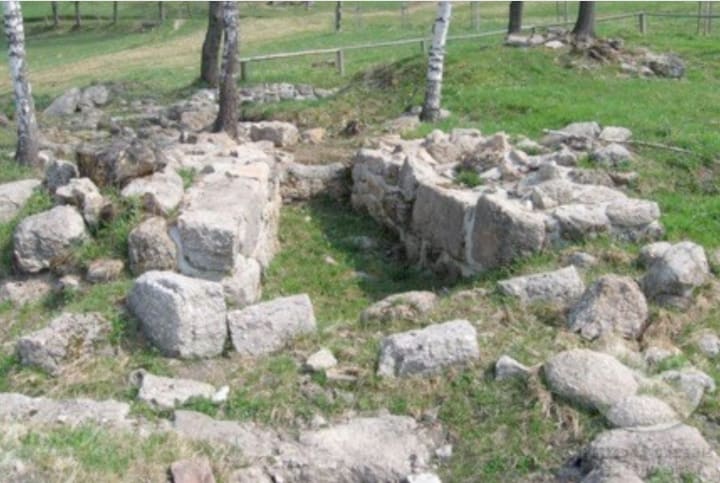
The history of glass making in this region dates back to the 16th century, it is not surprising that the first is already above the tennis courts in Bedřichov - here you can see the remains of Renaissance Glassworks, founded around the year Next stop is the "smelter" New Meadow, built by Johann Josef Kittel was later purchased by Riedel glassworks.
After almost a kilometer we come from New Meadows to Blatensky pond. Once upon a time there was a sawmill and around the burned charcoal. Third glassworks at least Kristiánov. It was founded in the late 18th century Riedel, smelter them prospered and the settlement developed to the extent that there was built a school, church and cemetery (village also had its own pastor!)
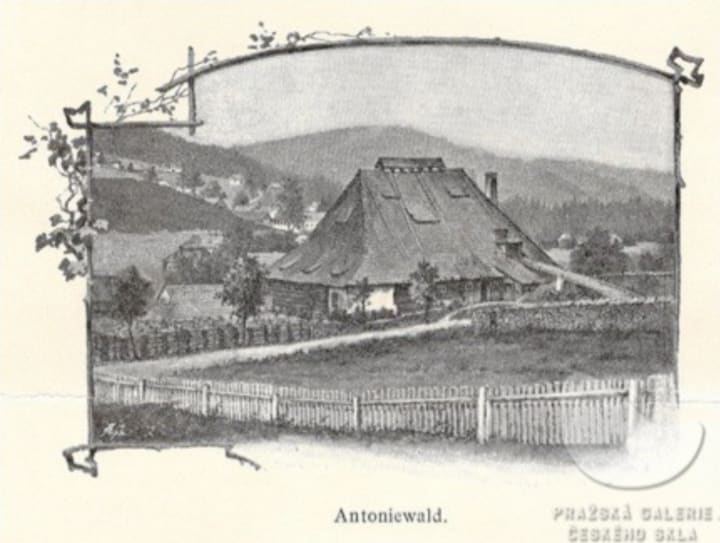
fourth glassworks Charles smelter is now underwater Josefodolska dam. In Joseph Dole, in part Antonínov stood since the 17th century another important old glassworks called Zenknerova smelter.
Of Antonínova go further until I know the distance tower Breached Dam, poor witness to the tragedy in 1916, when the dam broke and wreaking Valley considerable damage.
Last reminder to Giant glassmaking tradition - a big "polubenskou glass factory" was founded in her forties of the 19th century and Riedel greatest fame came as Josef Riedel, the "king of the Jizera Mountains glassmakers."
According to everything I have read, the original Zenkner Glassworks was purchased by the Riedel glass family sometime in the 1800's and/or leased from the local Count Desfours. and the Zenkner name fell away.
According to the family records of the Zenkners, the family left the Bohemian mountains and the glass business and emigrated to Brazil and Australia, starting in 1870. Some of the children returned briefly to the region, but ultimately returned to Australia and the US in the 1880's, and are now scattered all over the world.
Occasionally over the years a family member would return to the area. A search of the local cemetery uncovered these family plaques:
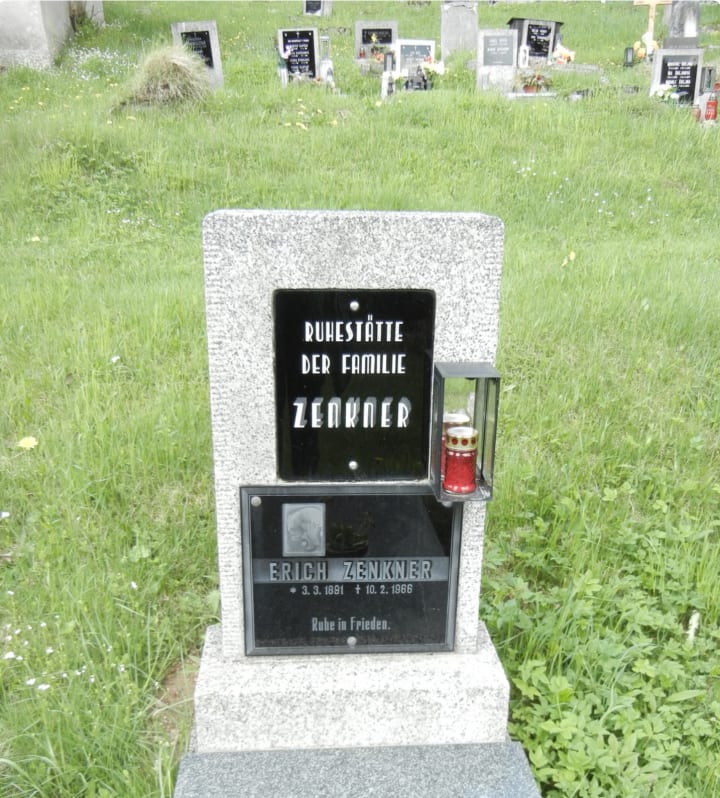
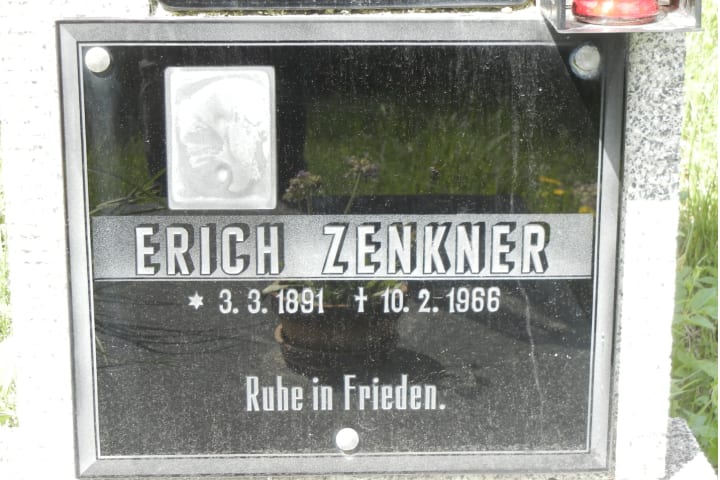
Their heritage has been recorded and saved on paper in several museums in Josefuv Dul, Smrzovka and Jablonec nad Nisou. According to Peter Novy, historian at the Jablonec Museum of glass and Jewelry, the Zenkner name is famous in this area and even he has a Zenkner in his lineage.
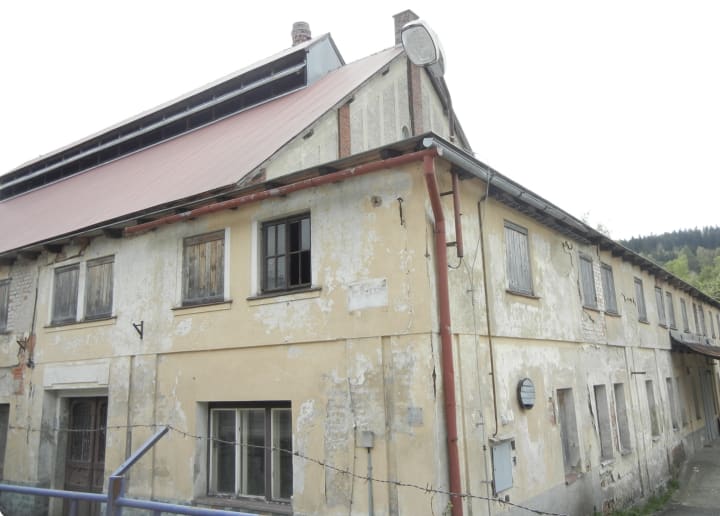
A visit to Josefov Dul (Antoniwald) showed three abandoned glass factories in the area, of which two appear to be for sale. Talking to a man at the local museum, he was able to point out the old Zenkner Glassworks to us. It was one of the factories for sale. Basically we were able to discover that from the Zenkner origins of the factory, the Riedels purchased it and renovated it, remodeled it and enlarged it, before finally closing it down. For a while it was state run.
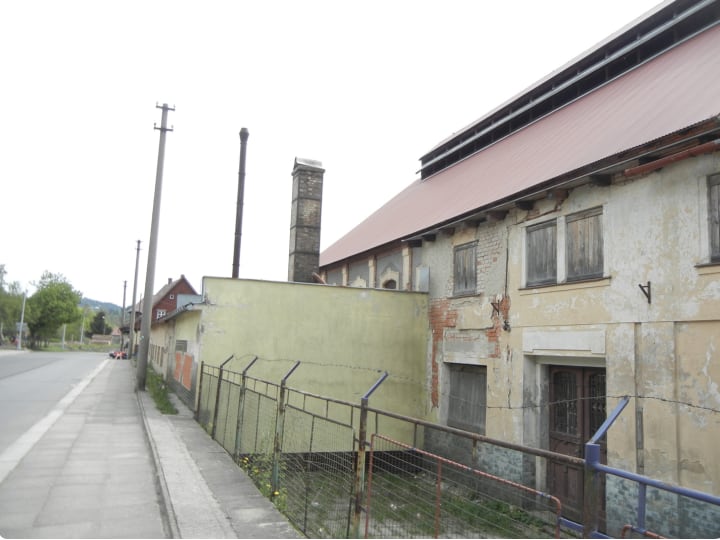
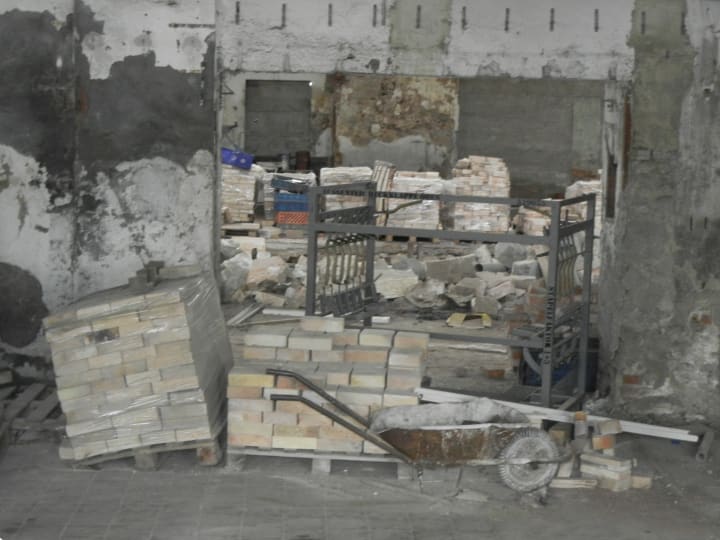
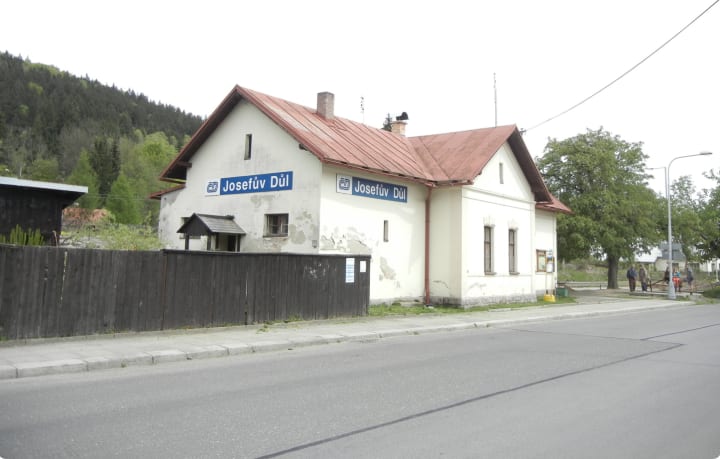
Directly across the street from the glass factory is the current railway station. Originally this building was a part of the Riedel factory, used for unloading of supplies from the freight trains, such as coal for the furnaces. Prior to industrialization, the Zenkner factory would have used wood cut from the surrounding forests.
____________________________________________________
About the Creator
Guy lynn
born and raised in Southern Rhodesia, a British colony in Southern CentralAfrica.I lived in South Africa during the 1970’s, on the south coast,Natal .Emigrated to the U.S.A. In 1980, specifically The San Francisco Bay Area, California.
Valentine's Dates Over the Years
Colin grinned as Brooklyn slipped into the living room. “Is it all set?” he asked. The twenty-one year old grinned. She was in her last year of college and Colin knew that Lincoln was proud of her. Although she had been away at college, she’d eagerly helped Colin plan his surprise for Lincoln. “I’m so glad you’re finally doing this,” she said.
By Reb Kreyling26 days ago in Chapters
The B-2 Spirit: Why the U.S. Stealth Bomber Known as “The Bone” Is Considered One of the Most Dangerous Aircraft Ever Built
The arrival of the stealth bomber **Northrop Grumman B‑2 Spirit**—often nicknamed “The Bone”—at a British airbase has once again drawn global attention to one of the most advanced and mysterious aircraft ever created. Designed during the final years of the Cold War, the aircraft remains a cornerstone of the United States’ long-range strike capability. Whenever it is deployed overseas, it signals serious military readiness.
By Irshad Abbasi 4 days ago in Chapters



Comments
There are no comments for this story
Be the first to respond and start the conversation.