
Why TikTok Banned Palestinian Journalist Bisan Owda
: How the social media ban on a leading Gaza reporter with 1.4 million followers highlights tensions in digital platforms, online moderation, and conflict reporting.

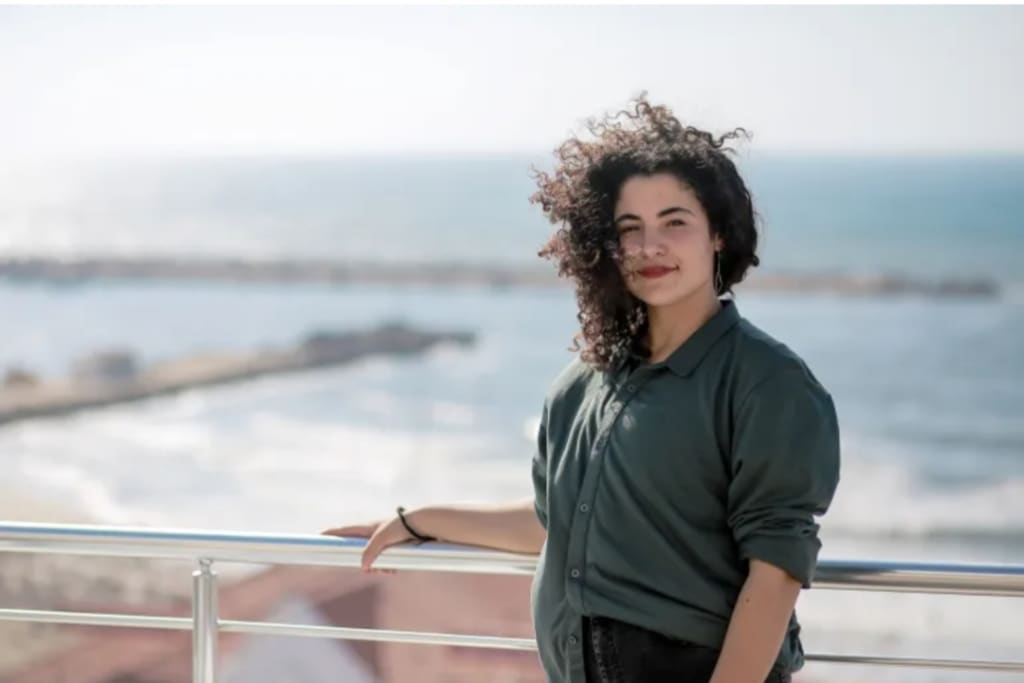
In late January 2026, award‑winning Palestinian journalist and social media influencer Bisan Owda announced that her TikTok account — with around 1.4 million followers — had been permanently banned from the platform, igniting a wave of concern, debate, and analysis across social networks and global media.
Owda, whose daily videos from Gaza have captured international attention, revealed the ban in a video shared on her Instagram and X accounts (formerly Twitter). She said she had spent four years building her audience on TikTok, telling followers she expected occasional restrictions but “not a permanent ban forever.”
The sudden removal of her account — a major outlet for her on‑the‑ground reporting — raises complex questions about content moderation, free speech, algorithmic governance, and the role of global social platforms in conflicts.
---
Who Is Bisan Owda?
Bisan Owda is a Palestinian journalist, activist, and filmmaker known for documenting life in the Gaza Strip, especially since the war that erupted in October 2023.
Her hallmark series It’s Bisan from Gaza — I’m Still Alive blends personal testimony with frontline reporting, capturing the human impact of the conflict. Beginning her posts with the phrase “It’s Bisan from Gaza — and I’m still alive,” she quickly gained millions of followers, particularly on Instagram and TikTok.
Owda has won significant journalistic recognition, including a 2024 Emmy Award and other prestigious journalism prizes for her work with AJ+ — part of the Al Jazeera Media Network — and her video reporting has been shared widely by major international news outlets.
---
Details of the TikTok Ban
According to Owda’s announcement, her TikTok account was deleted — not just restricted, wiping out years of material and her largest online following on that platform.
After she posted about the ban on other platforms, a TikTok account with a similar username was still visible, but with a message saying: “Posts that some may find uncomfortable are unavailable.” This suggests some form of content removal or shadow restrictions may have taken place even before the account’s full removal.
When reached for comment, TikTok had not immediately replied to media inquiries about the ban.
---
Context: Platform Ownership and Content Moderation
Owda has tied the timing of her ban to recent changes in TikTok’s ownership and leadership after a high‑profile deal to separate the platform’s U.S. arm from its previous structure. The new U.S. entity is controlled by investment firms, many of them American, following a transaction that has drawn intense political and media attention.
In explaining wider changes at TikTok, the new CEO of TikTok’s U.S. division, Adam Presser, was cited discussing how the platform’s hate‑speech policies now designate “the use of the term Zionist as a proxy for a protected attribute” as hate speech. This shift may reflect broader moderation policy updates aimed at curbing certain contentious or identity‑linked terms — but it has sparked concern among observers about impacts on reporting from conflict zones.
Israeli Prime Minister Benjamin Netanyahu’s remarks about the strategic importance of social media in modern conflict were referenced by Owda as potentially connected to her ban. In a 2025 speech, Netanyahu had emphasized the role of social media as a key battleground and expressed hope that the purchase of TikTok would proceed, calling it “the most important” tool in the information fight.
---
Why the Ban Matters
Owda’s ban is more than just a digital removal — it strikes at the heart of how narratives about the Gaza conflict are shaped and accessed globally.
1. Silencing a Narrative in Flux
Owda’s reporting offers a direct, firsthand perspective from Gaza, often filling gaps left by mainstream media. Her live‑style updates have provided context on airstrikes, civilian suffering, displacement, and everyday survival. Losing her TikTok presence constrains one of the broadest channels through which global audiences engaged with those stories.
2. Moderation vs. Censorship
TikTok and other platforms routinely moderate content to enforce community standards, especially on hate speech and violence. However, critics argue that such moderation can sometimes veer into political content suppression, especially when platform governance intersects with geopolitical sensitivities. Owda’s ban highlights how content rules, ownership changes, and political pressure can overlap in ways that affect powerful voices.
3. Broader Conflict Communication
The ban comes amid ongoing disputes over access for foreign journalists and press freedoms in and around Gaza. Days before Owda’s announcement, Israel’s top court postponed a decision on whether foreign journalists could independently report from Gaza outside military oversight. In this context, digital platforms have become critical outlets for frontline reporting — and restrictions can have real effects on information flows.
---
Reactions and Digital Debate
Across social media, responses to Owda’s ban have been varied and passionate. Many supporters argue the ban is part of a wider pattern of silencing Palestinian voices online. Others emphasize the need for platform transparency and fairness in content moderation. Discussions include alternative platforms where Owda and similar journalists might continue their work, along with broader debates about how tech platforms engage with global politics. (See various social threads reflecting public reaction.)
---
What Comes Next?
For Owda, the ban marks a significant shift in how she reaches her audience. She continues to post on other platforms, including Instagram and X, and may leverage those channels — and emerging alternatives — to maintain her journalistic presence.
For broader digital media governance, the situation underscores the need for clearer content moderation policies, greater transparency, and platform accountability — especially where online speech intersects with conflict reporting and human rights documentation.
---
Conclusion
The TikTok ban on Bisan Owda is not just about one journalist’s account being removed — it is a flashpoint in the broader struggle over who controls digital narratives, who gets to tell stories from conflict zones, and how global audiences access information in an era of intense geopolitical tension. As the discussion unfolds, it raises pressing questions about free expression, platform power, and the future of journalism in the digital age.
*All updates as of January 29, 2026.*
About the Creator
Keep reading
More stories from Salaar Jamali and writers in Chapters and other communities.
Oppo Find X9s’ Live Image Surfaces
Fresh live images of the upcoming Oppo Find X9s have surfaced online, offering one of the clearest early glimpses yet of the next compact flagship from Oppo. Although the company hasn’t officially announced the phone, the leaked visuals and accompanying details — from camera layout to design cues — are fueling excitement among smartphone enthusiasts and industry watchers alike. This early look adds to a growing mosaic of information about the Find X9s’ hardware, design language and potential performance footprint.
By Salaar Jamalia day ago in Chapters


Comments
There are no comments for this story
Be the first to respond and start the conversation.