
Why is it so dangerous to step on a rusty nail?
Tetanus
In the 5th century,
Greek physician Hippocrates, creator of the Hippocratic Oath,
was sailing with a very ill shipmaster. The captain was suffering
a nasty infection that caused his jaws to press together,
his teeth to lock up, and the muscles in his neck and spine
to spasm. Hippocrates dutifully recorded
these symptoms, but he was unable to treat
the mysterious disease. And six days later,
the shipmaster succumbed to his illness. Today, we know this account to be one
of the first recorded cases of tetanus, and thankfully, modern physicians
are much more prepared to handle this peculiar infection. Unlike other common bacterial infections
like tuberculosis and strep throat, tetanus doesn’t pass
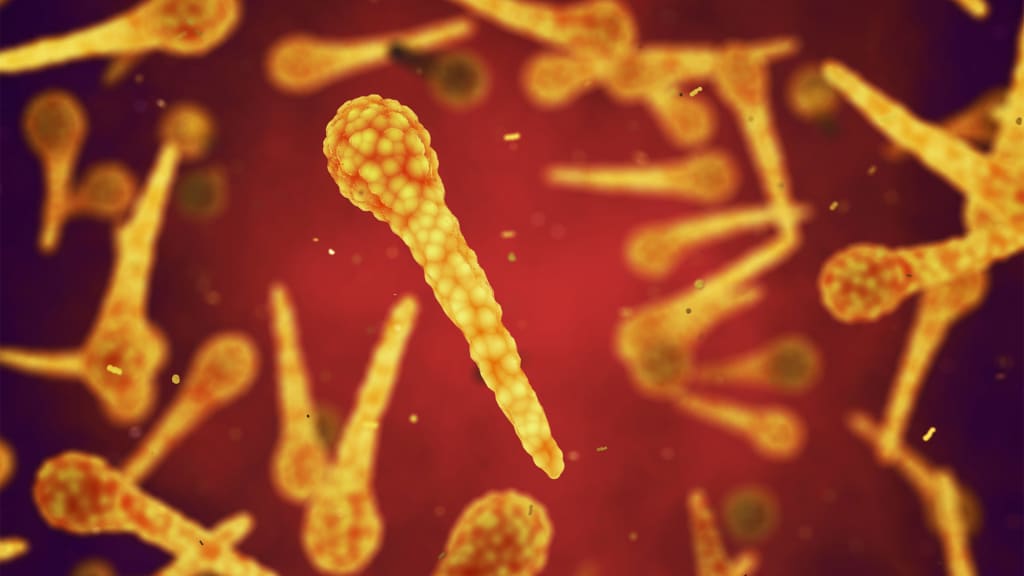
from person to person. Instead, the offending bacterium,
known as Clostridium tetani, infects the body
through cuts and abrasions. These infection sites are why tetanus
is so strongly associated with rusty nails and scrap metal,
which can cause such wounds, but the condition's connection to rust
is actually much less direct. Clostridium tetani bacteria are often
found in soil, manure, and dead leaves, where they can survive for years
in the form of spores, even amidst extreme heat and dryness. These piles of organic material can
sit undisturbed for long periods, potentially concealing old metal,
which rusts over time. So, if someone does blunder into this
environment and cuts themselves, it would likely increase
their odds of infection. Especially since rusty metal can create
jagged wounds with lots of deoxygenated dead tissue
for them to latch on to. Once in the body, the spores
begin to germinate. This process releases several toxins,
including deadly tetanus toxin. Nerve endings soak up this toxin, drawing it into the brain and spinal cord
where it wreaks havoc on interneurons. Typically, these work alongside motor
neurons to regulate our muscle actions, from endeavors as complex as kicking
a ball to those as simple as breathing. But by blocking neurotransmitters
released by interneurons, tetanus toxin causes uncontrollable
muscle contractions and spasms. Typically within 7 to 10 days
of infection, patients begin experiencing general aches,
trouble swallowing, and lockjaw. The head and neck tend
to show symptoms first. But as the toxin spreads,
stronger muscle groups become more rigid, leading to a frightening arching
of the back. Left untreated, these spasms
become more extreme, eventually seizing the muscles
in the windpipe and chest, leading patients to suffocate
within 72 hours of symptoms appearing. Without treatment, tetanus has
an extremely low rate of survival. But fortunately, medical professionals
have developed a robust plan to handle a tetanus diagnosis. First, doctors clean the infected wound
and administer antibiotics, killing the bacteria and preventing
further toxin production. Then, they inject antitoxin to neutralize
any tetanus toxin still in the body that has yet to enter
the central nervous system. Finally, patients begin a several week
period of supportive care, which can include muscle relaxants
to stop spasms and ventilators to prevent suffocation. In the days of Hippocrates, the only
course of treatment was to wait and hope. But now we know the best time to tackle
Clostridium tetani is before an infection even takes place. Tetanus vaccines— originally developed
in the early 1920s— are crucial to preventing tetanus
and stopping its spread. Experts recommend a series of shots and
boosters beginning at two months old and ending around age 12. Yet over 20,000 infants still die
of tetanus every year, mostly in low and middle income countries
where vaccine access is limited, including South Asia
and sub-Saharan Africa. And newborn babies are especially at risk
if their mothers are unvaccinated, as Clostridium tetani can infect
a newborn's umbilical stump. Though vaccinating mothers during
pregnancy can help with this problem. The fact is tetanus remains a significant
threat to human health. So people should get vaccinated and take measures to prevent infection
after cutting themselves— whether it’s on a rusty nail
or a 2,400-year-old ship anchor.
About the Creator
Keep reading
More stories from TBH Agencia Exclusiva Colsanitas and writers in Chapters and other communities.
Is Meat Bad for You? Is Meat Unhealthy?
When our vegetarian ancestors started eating meat around two million years ago, it wasn't just because animals taste great, it was pure necessity. Climate change made many of the plants our ancestors
By TBH Agencia Exclusiva Colsanitasabout a year ago in Chapters
Fair Exchange, No Robberies
Dark Memoirs - Index There are at least two kinds of people in the world: those who write this half-arsed kind of intro to a story that looks to separate the rare and the norm, and those who realise it's an overused framing device and don't.
By Paul Stewart12 days ago in Chapters
ThunderCats Fanfiction Project (Ch 4 Episode 4)
Deep within the flagship’s wounded core, Tygra and Panthro descend into the dark to revive the ship’s failing heartline. As they navigate smoke‑filled shafts and failing conduits, the crew above clings to breath and hope. The first lights flicker back to life — but the silence of the void still surrounds them, and the cost of survival has only begun to reveal itself.
By Marcellus Grey5 days ago in Chapters
Miss Persephone's Manual to a Seemingly Ordinary Life
Miss Persephone was found at the dining table, her blue eyes swollen, her tears arriving and retreating like the tides of the ocean. Earlier that day, her family had visited her in the retirement home where she had lived for eight years. It was her eightieth birthday.
By Imola Tóth3 days ago in Fiction


Comments
There are no comments for this story
Be the first to respond and start the conversation.