
Is Meat Bad for You? Is Meat Unhealthy?
Do you eat meat?
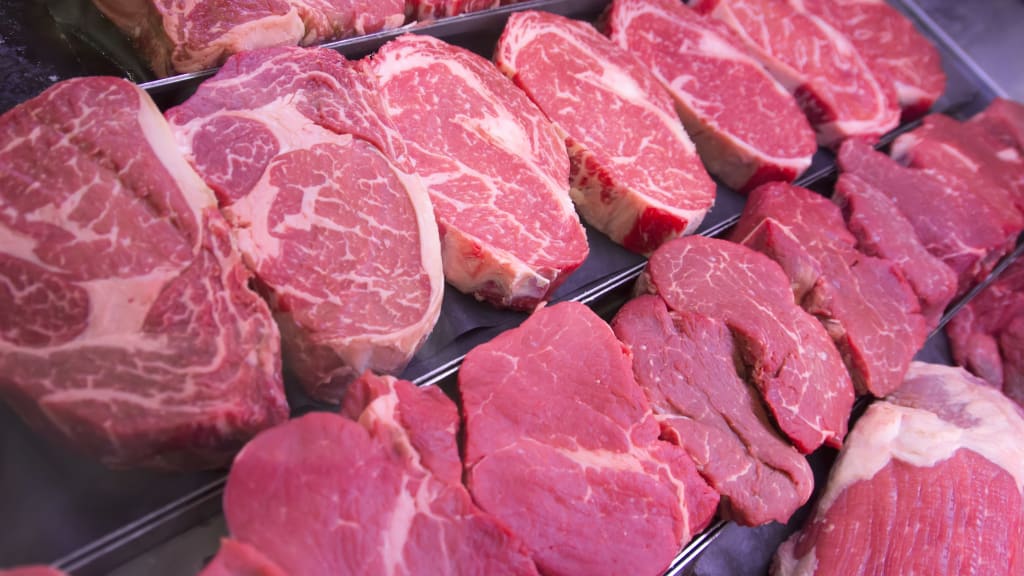
When our vegetarian ancestors started
eating meat around two million years ago, it wasn't just because animals taste great, it was pure necessity. Climate change made many of the plants our ancestors
relied on less available and meat bridged that gap. From the discovery of fire at the latest,
meat became a staple of the human diet. But over the last few years eating meat has
increasingly been associated with health risks like: heart disease, certain cancers, and an early death. So how unhealthy is meat, really? In this video we'll only talk about meat. Dairy products deserve a video of their own. Biologically, we need to eat for three reasons: for energy, to acquire materials to fabricate our cells, and to get special molecules
that our bodies can't make themselves. The energy and most of the materials come from the
three macronutrients: fats, carbohydrates and proteins. Proteins are the most important resource for
repairing and replenishing our cell structures. The special molecules are a large variety of vitamins
and minerals we need to drive metabolic processes. Meat provides us with most of these things. It contains all essential amino acids
our body needs and a lot of minerals like: iron, zinc and essential vitamins, some of which are
barely found in plants like Vitamin B12. Only one essential nutrient is missing
in most of the meat we consume: vitamin C. It appears in almost all plants
and supports our immune system as well as the development of connective tissues. After a few months without it you'd get scurvy. But meat has another big advantage,
it's high bioavailability. Some of the nutrients in meat are broken down
faster and available quicker than those from plants. Spinach for example, contains more iron than meat,
but it's absorbed much slower and the body needs more energy to digest it. Several health benefits have also been
observed in communities that rely solely on meat. The Inuit for example, are able to survive in extreme
climate conditions thanks to a purely meat-based diet. Since they consume the whole animal including
the organs, they get every single nutrient they need including vitamin C. So meat itself is definitely not dangerous for us. But its health effects vary, depending on
how its prepared and what animal it comes from. When talking about meat in the Western world, we generally mean muscle tissues
that have a high nutrient density, but also lack some of the vitamins that
make it possible to survive on meat alone. The most healthy animals to eat are probably fish. Fish contains polyunsaturated fatty acids like omega-3, which may lower the risk of cardiovascular diseases
and support anti-inflammatory immune functions. As part of a balanced diet,
fish can be eaten regularly without worries. Eating fish comes with its own bag of complications though, like overfishing and the destruction of the oceans. We'll talk about that in another video. A close second is the most popular meat, chicken. It's regarded as the meat with the fewest health risks. The only negative health effect
of poultry is a bit controversial: fat. It's high content of saturated fats is associated with a
higher cholesterol level and cardiovascular disease. But this idea has also been criticized
by a large number of scientists arguing high cholesterol levels might be
inherited and not caused by nutrition. So in general, if you want meat and are
concerned about your health, go for chicken. Things start to get problematic with high intakes of
red meats like beef, veal, pork, lamb, horse and goat. A recently published study recommends for
example a maximum of 23 grams of red meat per day which is a very small steak per week. However, large-scale meta-analysis studies have shown that eating 100 grams of red meat every day increases the risk of diabetes by 19%,
of strokes by 11% and of colorectal cancer by 17%. This sounds alarming. But before we panic,
let's have a look at how these studies were conducted. Because this brings us to the second big problem
when trying to answer the question of whether meat is unhealthy or not. Most studies that linked health risks to
eating red meat were case-control studies. Which means taking a group of people with a disease
and classifying them by their eating habits. The more red meat they consume, the more likely
they were to contract certain diseases. The problem is that it's very hard
to eliminate other factors. People who eat less meat tend to
live a healthier lifestyle in general. They tend to eat more vegetables and fruit
and are less likely to smoke and drink alcohol. Most studies try to eliminate these factors,
but it's extremely hard to make definitive statements. Things get worse when
we look at processed meat though. Processing meat means adding certain chemicals by curing, smoking, sorting or fermenting or in other words making it delicious. Bacon, ham, salami, sausages and hot dogs
contain chemicals that are harmful for us like nitrates and nitrites that can damage the DNA
in our digestive system and lead to cancer. The w-h-o reviewed 800 studies over 20 years, and concluded that processed wheat is strongly
linked to an increased risk of colorectal cancer. Each extra 50 grams of processed meat per day
increases your risk of cancer by 18 percent. When it comes to cancer risk, processed meat is now in the same category as plutonium, asbestos and smoking. The w-h-o highlights that it's research is
only about the question of whether or not something causes cancer and not to what extent. But processed meat may also significantly
increase the chance of suffering from diabetes, strokes and coronary heart diseases. It also makes a difference what sort of life
our meat lived when it was still part of a living being. It's common to feed large
amounts of antibiotics to livestock in order to prevent diseases
which can spread antibiotic resistance. Combined, a high consumption of
both red and processed meat could increase your chance of
premature death by up to 29%. This means if your chance of dying
is at 3% this year, it's now 4%. This might not sound like a lot but tiny percentages
have a huge impact on societies of millions. They also seem harmless until they affect you. To blame meat alone for
bad health would be wrong though. There is no evidence that the very essence of meat
has any negative effect beyond it's high fat content. And even this point is highly contentious. Just like with many other pleasures in life,
sometimes too much of a good thing is harmful. Most public health agencies suggest cutting
meat consumption to 500 grams a week while studies suggest cutting down
processed meat as much as possible. So if you feast on meat no more than once
or twice a week, you should be good. For most people this already means
a drastic change in their diets though, The average American consumes around
almost 1600 grams of meat a week. The average German 1100 grams a week. And many of us needs much much more. If you're not really sure, make a small note
whenever you eat meat for a week or two. You'll be surprised how much it really is. So most people watching this video
would benefit from cutting down on meat. Aside from health concerns, there's still the fact that the meat industry is
one of the largest contributors to climate change and has reached a scale where it's
impossible to deliver millions of tons of meat and still treat animals with dignity. We've already discussed that in detail in another video. All in all, in moderation, meat is not unhealthy
and you don't need to become vegetarian overnight to have a real impact on your health and the planet. But your lifestyle choices do matter. For yourself and for others.
About the Creator
Keep reading
More stories from TBH Agencia Exclusiva Colsanitas and writers in Chapters and other communities.
Milk. White Poison or Healthy Drink?
Over the last decade, milk has become a bit controversial. Some people say it's a necessary and nutritious food, vital for healthy bones, but others say it can cause cancer and lead to an early death. So, who's right? And why are we drinking it anyway? when our digestive systems are immature and small. Basically, it's power food to kick-start our bodies and help us grow. Milk is rich in fat, vitamins, minerals, and milk-sugar: lactose. On top of that, for a while after birth, it also contains antibodies and proteins that protect us from infections and regulate our immune system. But it's a lot of effort for mothers to produce. Eventually, humans stop drinking mother's milk and transition to the diet of their parents. This is how it's been for thousands of years. Until about eleven thousand years ago, when our ancestors settled down in the first agricultural communities. Soon, they domesticated the first dairy animals: goats, sheep, and cattle. They found that dairy animals are able to eat useless and abundant stuff and turn it into nutritious and tasty food. This made a huge difference in terms of survival, especially in hard times. So groups that had milk available had an evolutionary advantage. And through natural selection, it changed the genes of communities who consumed a lot of it. This adaptation has to do with a specialized enzyme: lactase. Babies have a lot of it in their system, so they can break down the milk-sugar lactose and digest milk easily. But the older we grow, the fewer lactase enzymes our body produces. Worldwide, about 65% of the population do not have the enzyme after infancy, which means they are not able to digest more than about 150 milliliters each day. This lactose intolerance is not spread evenly around the world, though. In some East Asian communities, for example, it's up to 90%. In Northern Europe and North America, the rates are the lowest overall. There are probably a few reasons for this uneven distribution. The trait was first introduced by random mutation, which happened independently of each other in a few populations. The fact that farming replaced hunting and gathering more and more created natural-selection pressure. People who were able to digest lactose had more foods at hand, which was an advantage. The migration of dairy farmers to the north then spread it further, which probably pushed back populations there that didn't have the trait. Okay, but if milk has been a valuable part of our diet for thousands of years, why is it so controversial? There are a number of claims regarding the negative and positive health effects of milk. The negative ones cover a wide variety, from brittle bones to cancer, and cardiovascular diseases to intolerance and allergies. So, how do they hold up? Some older studies found a connection between milk and a high risk of breast, colon, and prostate cancer But meta analyses found no impact on your cancer risk. On the contrary, the calcium in milk might even have a protective effect against colon cancer. Although this could be calcium in general, it's not clear milk plays a role in this effect. Only studies on prostate cancer showed an increased risk for people who consumed more than one and a quarter liters of milk a day. But again, the association is inconsistent and other studies don't find any effects. We discuss these studies in more detail in our sources document. All in all, the research seems to show that if you drink between 100 to 250 milliliters of milk per day, cancer is not a concern. Similarly, meta-analyses could not find any impact from milk or dairy products on your risk of heart disease, stroke, or your total mortality. Some studies even suggested that high blood pressure might be rarer in people who eat a lot of dairy, although the evidence is not strong enough to claim this with confidence. The case gets more complicated though when we look at bones. A number of studies found neither positive nor negative effects for adults. What most people worry most about though are harmful amounts of pesticides, antibiotics, or hormones. There are hormones in milk, but only in very low concentrations. For example to get the same amount of hormones as from the pill, you'd need to drink about 5000 litres of milk, and even if you did, most hormones would be destroyed by your digestive system before they could affect you, which is the reason why so much medication is coated to protect it from our digestion. For pesticides and antibiotics, there are regulations in most parts of the world that only allow completely harmless amounts. Milk that surpasses these thresholds is not allowed to go on the shelf. So there's nothing in particular to worry about. Besides allergies and those suffering from lactose intolerances, the best known negative effects of milk are probably acne and general discomfort after drinking milk or eating dairy products, and here the effects are very real. For example, skimmed milk has been found to statistically increase the rate of acne by 24%. Allergies against milk products are especially prevalent among children, with one in 18 kids in Germany suffering from them. In general, these allergies tend to get better or disappear as they grow older though. Okay. Is milk healthy then? Milk, no matter if it comes from mothers, cows, sheep, goats, or camels is a nutrient-dense food. It contains all necessary macronutrients and many micronutrients. Especially in regions where people struggle to get enough calories, milk can contribute to a healthy life and lower child mortality. For those living in the developed world, in general milk is not harmful if you are not allergic or intolerant to it. Especially for children, it's a good way to get large amounts of calcium and for vegetarians, it's a good source of vitamin b12 and B vitamins in general. This does not mean there are not other alternatives with the same effect. You do not need to drink milk to be healthy Milk is also definitely not a substitute for water. Milk is power food, and the additional calories from drinking a lot of it on a regular basis can contribute to being overweight. Especially flavored milk or chocolate milk is more comparable to beverages like lemonade than a healthy snack, and there's another thing to consider. Milk production has a significant impact on the global climate. About 33 percent of cropland is used to feed grazing animals including dairy cattle Even though the carbon footprint of dairy products has declined since 1990, Dairy production is still responsible for 3 percent of all greenhouse gas emissions, even more than all airplanes combined. Milk is a huge industry and sadly, most of its production in factory farms causes incredible suffering. Cows are impregnated over and over, separated from their young shortly after birth, and slaughtered once their tortured bodies are not productive anymore. We can't ignore that much of the milk we consume stems from an industry that is basically torture and contributes to climate change. What about plant-based milk? In terms of protein levels and nutritional value, only soy milk can compare to cow milk. The others need to be artificially enriched to reach similar levels of vitamins and calcium. So they can be an alternative to milk. And another option might be available soon. Several startups have created non-animal milk that is nutritionally identical to dairy milk, for example, through fermentation by gene modified bacteria. This lab-grown milk can even be turned into cheese, something that plant based alternatives struggle with because they lack casein and whey protein, the key ingredients that give dairy its taste and structure. The environmental impact is a different story though. Many milk alternatives use significantly less energy, land and less water to produce so they have a much lower environmental impact than animal milk. If you want to have the lowest possible negative impact on the planet, the best choice is whatever milk alternative is regional. As with almost any topic milk is complicated. It's not harmful for the majority of the population and it's crucial for many people around the world. It's good, nutritious food, but also harmful to the planet and causes a lot of suffering. We need to decide as a society how we want to deal with these facts.
By TBH Agencia Exclusiva Colsanitasabout a year ago in Chapters
How Can Lives Have Fantastic Hobbies
As we live the lives that we want to live with the hobbies that we want in them, what happens? Are all lives fantastic because of one certain thing or multiple different things? When we look at the lives that we live and the hobbies we do in them, do we find that our lives are fantastic? What is it that makes lives fantastic, is it the hobbies that we do in them to make them what they are? Yes I just made you think, but that is the point of this post. I would say that living life with the hobbies that we have in them can make the hobbies great and our lives fantastic when the two of them are used together. The more we live our lives with the hobbies we enjoy in the more the hobbies are great and we are living the lives that we want which make them fantastic.
By Louise Barraco8 days ago in Chapters



Comments (2)
Thanks for sharing
Keep it up.