
Why Does Crying Make You Feel Better?
Crying makes you feel better
Sometimes, when you’re feeling overwhelmed, nothing hits the spot like
a good, emotional movie. I mean, you’ve got the swelling music, and the ending that gives you all the feels,
and then suddenly, you’re just weeping. But afterward, you somehow feel...
better? You’re not alone in that. In studies, plenty of people have
reported feeling better after a good sob. But the reasons why are kind of a mystery.
And they range from social support, to brain temperature. For one possible explanation, we turn to some of
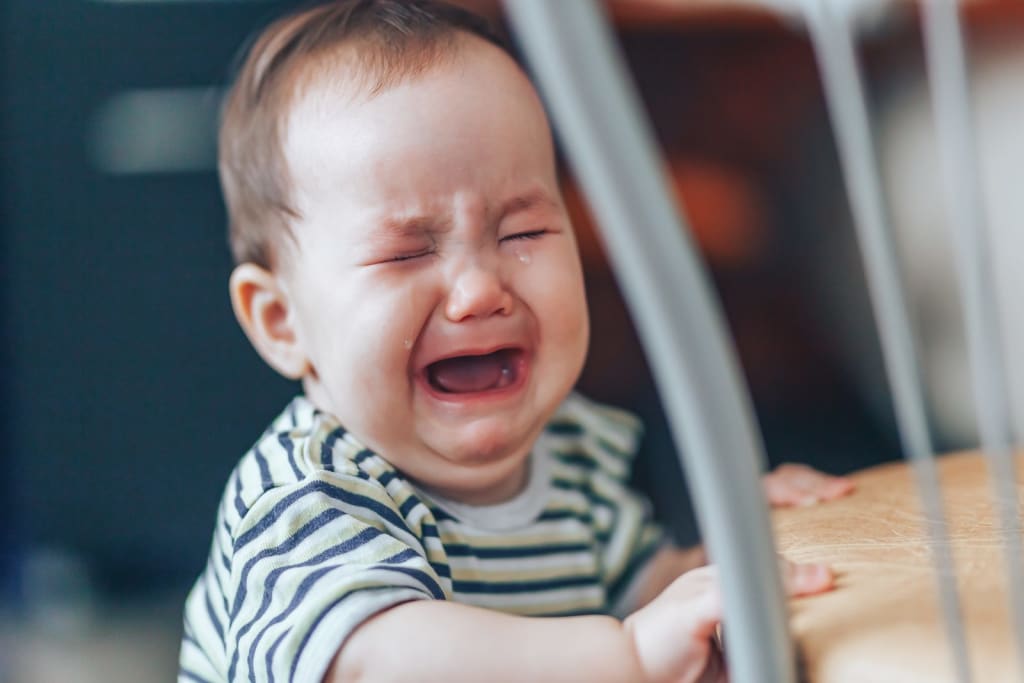
the most celebrated sobbers in the world: babies. Babies cry for all kinds of reasons, from emotional ones to physical
ones like hunger and discomfort. And it makes sense! Since human
infants are pretty helpless, it's important to have a signal for
caregivers that something is wrong. But for adults, tears might actually
be a similar distress signal! In a 2019 study published in Motivation and
Emotion, researchers asked 140 participants how much they’d be willing to
help people they saw in photos. Half the photos showed people crying. And
the other half showed the same people, but with the tears photoshopped out. And it turns out, tears had a really big effect. Most people reported being more willing
to help when they saw those tear tracks. In fact, tears might be an even more
important cue in adults than in babies. Another study revealed that
photos of crying adults evoked more sympathy than photos of
crying children and infants. That might be because participants rated the
photos of bawling babies as more irritating. Which I mean, is kind of
unfair; they can’t help it. But also, when babies are wailing,
it’s primarily an auditory thing. Whereas adults are more likely to
quietly cry, so it’s mainly a visual cue. So, the researchers think adult tears are
seen as a subtle and sincere signal of emotional distress that’s designed
to invite others to comfort us. Other researchers suggest that when adults weep, it tells other people that you're
in less control than usual, and that you need help from someone who
might be more in control at the moment. So, if crying connects you to someone
who can comfort and support you, that may be one reason you’re more
likely to feel better afterward. In fact, one study examined more than 4000
people’s reports of recent weeping episodes. And the researchers found that
when criers received comfort, they were more likely to
experience improvements in mood. And if you cry when no one’s around? Well, it could just be your body’s
automatic strategy to get support. That said, that’s not the only idea
about why crying can feel so helpful. Others are rooted a little more in
biology, and how our bodies work. Like, one idea is that crying might serve a basic, physiological purpose: to
soothe your mind and body. Now, crying is contradictory, because
it both works you up and calms you down. But the timing of those emotional shifts is key. In one study that involved 60 participants, peoples’ heart rates accelerated
when they started to cry. But then, they quickly went back to normal. Meanwhile, their breathing became slower than
normal, indicating they were calming down. Crucially, the soothing effect lasted two to
three minutes longer than the agitating effect. So the researchers concluded that
crying may be a self-soothing behavior. It's also possible that crying triggers the release of oxytocin -- a stress-reducing
hormone associated with social bonding. That said, it's unclear whether oxytocin
levels rise due to the biological act of crying or because the tears caused
someone to, say, give us a hug. Either way, oxytocin helps improve our mood. And beyond that, there are several other
reasons crying could make us feel better. Some scientists speculate that weeping releases opioids that boost our tolerance
for physical and emotional pain. Others think crying might lower the
amounts of stress hormones in the blood. And most bizarrely, some researchers say inhaling all that cold air when we’re sobbing might
cool the brain, by literally cooling our blood. And that could alter the activity of neurotransmitters and create
a pleasurable sensation. But these are just hypotheses,
so we still have a lot to learn. The reason there’s so much uncertainty is because the way crying affects mood is
really challenging to study. For one, it’s hard to get people to cry on demand. So, in a typical crying study, a
participant might watch a sad movie alone. And that means the social
motivations behind crying, like seeking support, don’t really come into play. After all, crying participants probably don’t
want to have a heart-to-heart with the scientists. In fact, in laboratory settings, participants
usually report feeling worse after crying. That may be because of the lack of support, or
because they’re often being observed or filmed, which might make them self-conscious
or ashamed about crying. So, the way we feel about crying and whether it’s okay in a certain situation
can impact how it makes us feel afterward, too. Like, in one study, subjects were asked
to either suppress crying or let it flow while watching a sad movie. In the end, people who were trying to hold
back tears experienced a big stress response. But people who rarely shed tears but
tried to force it also felt stressed. So when it comes to crying,
do what comes naturally. If you want to let it out… let it out. If you enjoyed this episode, you
might also be interested in the album
About the Creator
Keep reading
More stories from TBH Agencia Exclusiva Colsanitas and writers in Chapters and other communities.
After Khamenei: How the Middle East Crisis Could Redraw Global Politics
After Khamenei: How the Middle East Crisis Could Redraw Global Politics The confirmed death of Ayatollah Ali Khamenei after joint strikes by the United States and Israel has sharply intensified the ongoing conflict in the Middle East—turning what was a dangerous regional crisis into a moment with global implications. Khamenei, who led Iran for nearly four decades and wielded extraordinary political and military influence, was killed when missiles and airstrikes hit Tehran in the opening phase of a major military operation targeting Iranian leadership and strategic infrastructure. The impact of his death is already reverberating across the region and the world in ways that may last for years.
By Wings of Time 3 days ago in Chapters
Review of 'Man on the Run'
My wife and I saw Man on the Run, a nearly 2-hour documentary on Amazon Prime, about Wings, Paul McCartney's group that flew around the world from shortly after The Beatles broke up in early 1970 to shortly after John Lennon was murdered at the end of 1980, making a Beatles reunion forever impossible.
By Paul Levinson4 days ago in Beat


Comments (3)
Interesting piece
Thanks for sharing
Nice story telling.