
Brain Tricks - This Is How Your Brain Works
The functioning of the brain
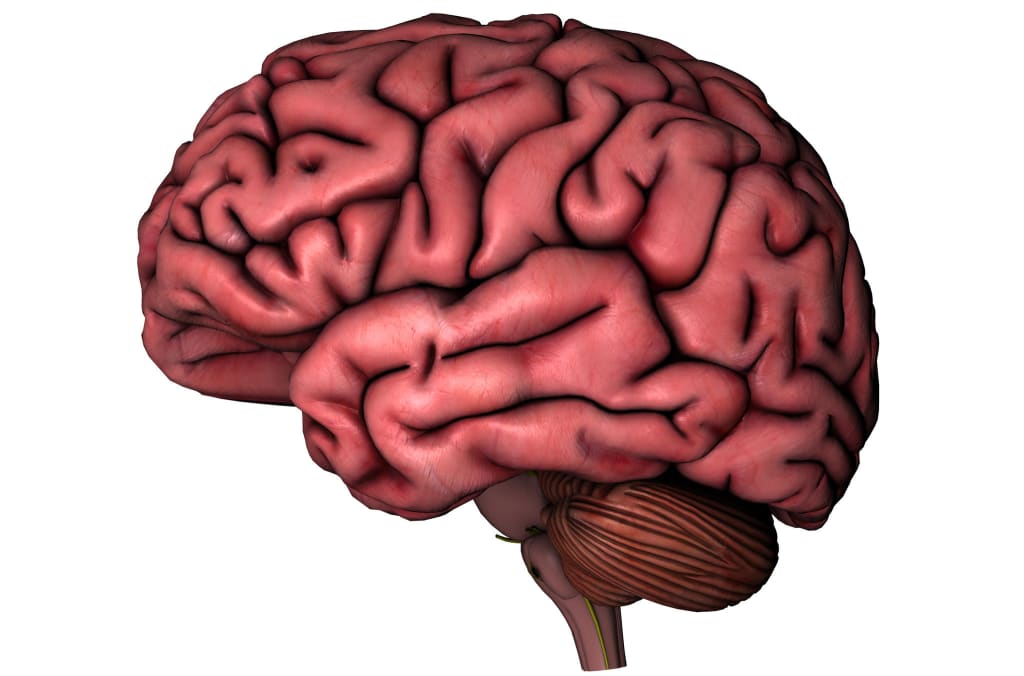
You may not realize it but your brain
actually processes information in two very distinct ways. Like when you look at this
photo you instantly know she has blonde hair, is visibly angry and likely has
some choice words to yell. Without any effort you experienced fast thinking, But if you
look at the following problem something different happens. Sure you immediately know
it's a multiplication problem and you knew you could solve it if you had the energy,
but didn't. If you do try your muscles will tense, your
pupils will dilate and your heart rate will increase. Now you've
experienced slow thinking. These two systems of fast and slow
thinking dictate much of our perception and reaction in life. Take these lines for example, it is clear
that they're different lengths, but if you measure them they're actually the
exact same length. Even now that you know, system one, or your fast thinking
can't stop seeing the illusion because it acts automatically. A similar effect is seen
here, which figure is the largest? Again they are all the same size but the
suggestion of perspective and depth causes your system one to interpret the
picture as three-dimensional even though it's on a flat two-dimensional surface. It's making quick work of the available
information and so you're conscious system two, or slow thinking, must
compensate after the fact and choose not to believe your intuition or instinct.
Want to see your system two in action? I'll show you a string of four digits, you read them
aloud and add one to each of the original digits. If the card reads 3795
the correct response would be 4806. We'll then go to the next
card and you will do the same followed by the next card. ready? Go. Few people can cope with more than four
digits, but even harder is add three. The interesting bit is that though your pupils would have dilated you often become effectively blind when you fully engage
system two. Did you notice the colour of the text
change? Or how about the fact that the numbers
completely changed when I put them off to the side? Listen to the following puzzle.
A bat and a ball cost one dollar and ten cents. The bat cost one dollar more
than the ball. How much does the ball cost? Chances are your system one intuition
was yelling "ten cents", but this appealing system one answer we know is wrong. In
fact the correct answer is five cents. Even if you worked out the correct answer,
you likely thought of ten cents along the way. System one is trying to work out an
answer as quickly and seamlessly as possible which is extremely beneficial
in everyday life. If every activity required full mental effort it would be
exhausting. But knowing this allows us to understand that not all of our first
impressions are correct. How many animals of each kind did
Moses take into the ark? So few people detect what is wrong with this question
and that it has been dubbed the the Moses illusion. In fact, moses took no animals, Noah did. Again
our brain invests as little resources as necessary so that things run quickly and
smoothly. Because moses is not abnormal in the biblical context, system one
unconsciously detects an association between Moses and arch, and quickly accepts
the question. In a similar way system one generates
context without you knowing. Reading each of the following may seem fairly simple
"ABC" "Ann approached the bank" and "12, 13, 14" But your brain actually interpreted these
ambiguous statements without you ever knowing. You could have read it as "A 13 C"
or "12 B 14", but your brain created the context
unconsciously. Also, you likely imagined a woman with money on her mind walking
towards a building with tellers, but if the sentence before this was "they were
floating gently down the river" the entire scene would have changed because
"bank" is no longer associated with "money". Without an explicit context, system one
quickly generates one based on previous experience. In this case, you have likely
visited more banks then rivers and so the context is resolved accordingly.
This ties into a concept called "priming". For example if I said "wash", how would
you complete this word fragment? Most would see "soap", but had I just shown you
the word "eat" you'd be more likely to see "soup". I this way both eat and wash prime your thoughts. Though system two likes
to think that it's in charge and knows what's going on, the truth is that
priming effects have even been shown to affect and modify behavior. These arise
in system one and you have no conscious access to them. If you'd like to learn
more about the thinking systems in your brain? Check out the book "Thinking Fast
and Slow" by Daniel Kahneman which covers it in great detail. I'll put a link in
the description which you can check out. Got a burning question one answered? Ask it
About the Creator
Keep reading
More stories from TBH Agencia Exclusiva Colsanitas and writers in Chapters and other communities.
Holler Hobby Living
When you holler through your hobbies does your throat hurt? Or do you get more out of your hobbies when you scream about them? Or do you holler about your hobbies and go after them all at the same time? What holler hobby living can mean to you, is it finding the things that you enjoy doing and that relax you holler about them and get them to where you want them in your life. The more you holler when doing your hobbies you get further with them because you push yourself to go after the hobbies that you want. The more you do this the more you will get out of life. Now some people might say that hollering about hobbies doesn’t get them anywhere but if you really want your hobbies and life to work for yourself then hollering while doing them and pushing yourself to do them is a great thing. The more you put your hobbies and life together and go after them, the more you do this the more you get out of your life. Hobby living is all around us. We just have to holler and go after them in the way that works for you.
By Louise Barraco3 days ago in Chapters
A Knight of the Seven Kingdoms Series Review (Season 1)
As one of the biggest properties in fantasy, A Song of Ice and Fire remains immensely popular with audiences. After reaching far into the past with House of the Dragon, a second spin-off was on the cards. A Knight of the Seven Kingdoms serves up a bite-sized slice of action and drama, but it still claims a spot among the best small-screen titles.
By Robert Cain6 days ago in Geeks



Comments (2)
Interesting
Thanks for sharing.