
When Could Women Get Credit Cards?
The History and Its Impact on Financial Independence

Introduction
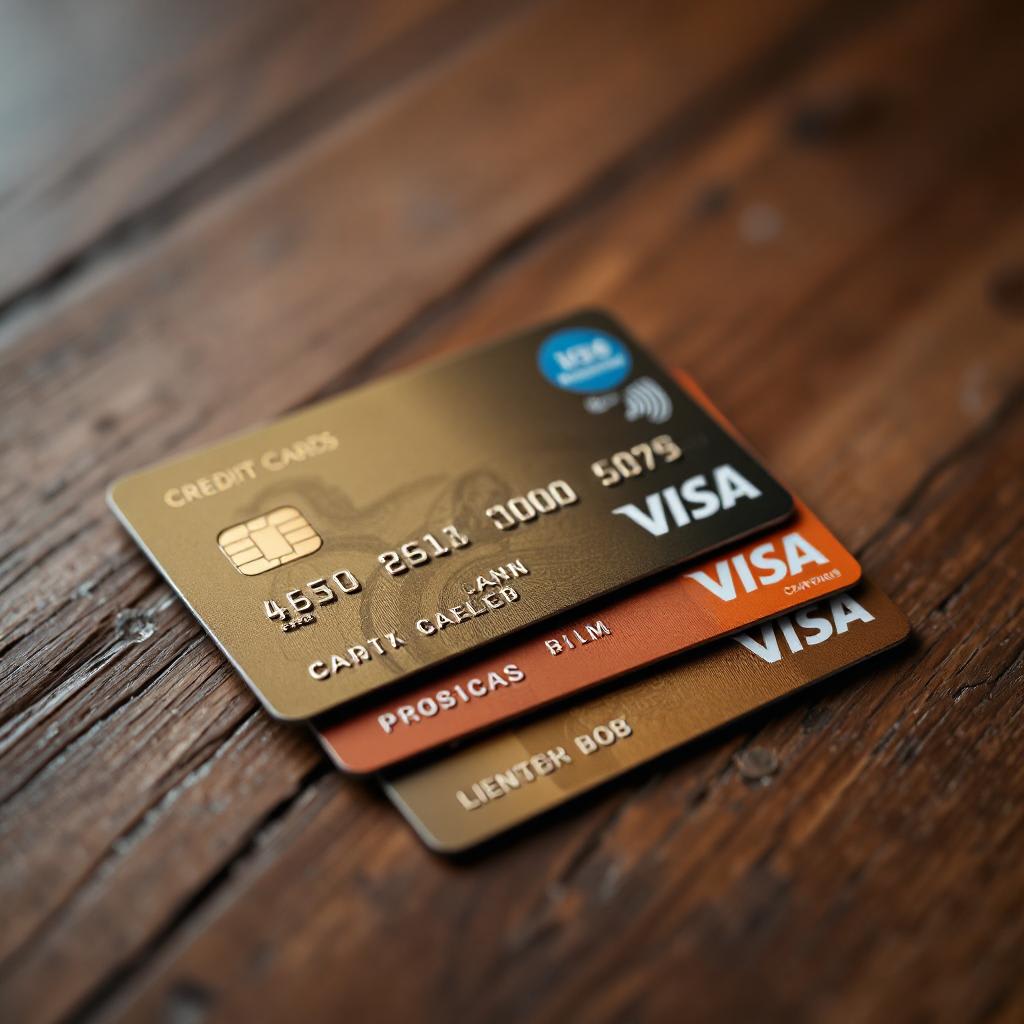
It comes as a shock to many that, until recently, women in the United States could not apply for credit cards independently of others. Until the late 1970s, women needed a male co-signer—usually a husband or father—to apply for credit. The restriction hampered not only women's financial freedom but also their opportunities to build credit and full economic participation. In this article, we are going to make a journey into how women got access to credit cards, the shift in legal and social logic that fostered financial independence, and provide actionable tips to build and manage credit in today's world.
Imagine turning your everyday expenses into exciting rewards!
The Beginning: Obstacles in the Way of Female Credit
Credit was, in fact, a male financial privilege before the 1970s, and most banks were not even making it that easy for women to open credit accounts. Most employed women of independent incomes similarly faced steep discriminations in applications for credit cards, loans, or mortgages. This process was particularly intimidating for single, divorced, and widowed women because they lacked the male cosigner that banks often required.
Discrimination within the Early Credit System
Financial institutions appraised a woman's credit status based not on their income, but rather on her marital status and gender. The most common practices include requiring male co-signers-many married women had to obtain a co-signature from the husband, while single women were generally refused credit-and apply biased standards-women's income was lined up for different scrutiny, as some banks wholly discounted it in considering a couple's application.
Widowed or Divorced Women: Many times, such females were perceived as a bigger credit risk and could be rejected credit even if financially stable.
Example: Many women, till the 1970s received questions that were intrusive in nature, with regard to their marital plans or about having children, at the time of the sanctioning of credit approval and reflected the deep-seated biases of the times.
The 1974 Equal Credit Opportunity Act: A Landmark Law for Women
On the legal side, though, it wasn't until 1974 that the real turning point came with the passing of the ECOA, which banned credit discrimination based on either sex or marital status. For the first time, women had a legal right to get credit in their own names without a male co-signer. It was now a real watershed, acknowledging women for the first time as independent financial individuals.
Key Provisions of the Equal Credit Opportunity Act
The ECOA provided for some landmark changes, which made it impossible for any creditor to:
Deny credit to women based on their gender or marital status
Require a male co-signer when dealing with female applicants
In any way discriminate against applicants based on their race, religion, national origin, or age
By making it illegal to take gender or marital status into account while offering credit, the ECOA enabled circumstances wherein women started forming their own, independent credit history.
Example: Under the ECOA, more women were able to get credit cards in their own names, creating the ability to build credit histories, access loans, and reach a new plateau of financial independence.
The Effect of Credit Access on Women's Financial Independence
The ECOA not only eliminated barriers but also opened doors for women in personal finance, business, and beyond. Here's how credit card access changed financial opportunities for women:
1. Empowerment and Financial Independence
Access to credit opened the avenue for women to manage their own finances and indulge in big purchases all by themselves. Credit cards gave women buying power and the potential to finance everything from education to property, investments, and business ventures that accelerated their journey of financial independence.
Tip: Good credit offers you financial power. You establish good credit by making small purchases, which you can afford, on your credit card and then pay those off each month.
2. Business Ventures Supported
Access to credit became the door that opened up for women with entrepreneurial ambitions. This would imply that female entrepreneurs could now have business loans and open credit accounts, thus enabling them to fund their ideas, manage their cash flow, and grow their businesses.
Example: The women entrepreneurs, like Estee Lauder and Mary Kay Ash had to establish their companies before the ECOA came into place and hence had to face many strong challenges as credit could be availed so little. In today's date, access to credit plays the critical piece for the success of women-owned firms in every field.
3. Emergency Fund Creation
Credit cards have also made it possible for women to create credit histories, which are fundamental in qualifying for larger loans, such as mortgages. With access to credit, women could save, invest, and borrow based on their own financial standing. Today, a good credit history allows women to establish financial security and a reliable safety net.
Pro Tip: Check your credit report at regular periods. You're entitled to one free credit report every year from each of the major bureaus. This is a very important thing to do in finding mistakes or any kind of identity theft early. It saves you money.
Building Credit Today: Actionable Tips for Women
Since the ECOA passed, women have come a long way in securing financial equality. Still, there are steps anyone should take to build and maintain good credit. The following practical tips are some guidelines in managing credit cards effectively:
1. Apply for a Starter Credit Card
To start with, it is better to get a secured or starter credit card with a low limit. This will prevent you from overspending and give you the opportunity to improve your credit score by consistently using your credit responsibly over time.
2. Pay Off Your Balance Each Month
One of the best habits to instill is paying your balance in full each month. You won't be paying any interest this way, and you will also be building a good credit history. Both of these go towards enhancing your credit score.
3. Monitor Your Credit Utilization
Credit utilization-the amount of available credit you're using-plays a very important role in determining your credit score. As a rule, it is crucial to have less than 30% of your credit utilization for a good credit score.
Example: If you have a $1,000 limit on credit cards, your balance should be under $300. This makes it clear to lenders that you are capable of handling credit responsibly.
4. Set Up Automatic Payments to Avoid Late Fees
Late payments hurt your credit score and rack up fees that cost a lot. Set up automatic payments for at least the minimum payment amount each month so that you will never be late, and you will retain a good repayment history.
5. Review Your Credit Report Annually
Checking your credit report from time to time will help you stay abreast of your credit status. Further, check for any mistakes or inconsistencies that could be negatively affecting your score. Thanks to federal law, you are entitled to one free credit report from each of the three major reporting bureaus-Experian, Equifax, and TransUnion-once every year.
The Path to Continued Financial Empowerment
As great as the ECOA was, the path to financial equality has yet to complete itself. While access to credit opened doors, women still have to grapple with their unique financial obstacles, such as gender pay gaps and longer life expectancy, that can impact retirement savings. Today, however, women are more prepared than ever for the financial landscape, with increased access to credit and an ever-evolving awareness of financial literacy.
Other ways women may remain financially empowered will involve budgeting, investing, and clearly outlining financial goals. Credit cards rank as just one of many various tools women can utilize to provide financial stability for themselves when used effectively. Increased education in the wise handling of credit will provide long-term health financially.
Conclusion: Credit Cards as a Gateway to Financial Equality
Beyond being legislation, the Equal Credit Opportunity Act of 1974 was more of a catalyst for social and economic change. Allowing women to apply independently for credit cards gave them financial autonomy, the ability to make purchases independently, and ways to establish credit histories. To this date, credit cards are one of the most powerful ways for women to have flexibility, financial security, and access to various means that will bring them economic empowerment.
Understanding this struggle for access to credit throughout history should spur us forward to deal with the financial tools of today with great wisdom and continued advocacy toward financial equality. Whether you're starting your credit journey or working on building a better financial position for yourself, the legacy of the ECOA reminds you that each financial decision is part of a greater story of empowerment and equality.
Imagine turning your everyday expenses into exciting rewards!
Frequently Asked Questions
Question: In what year did credit card companies begin issuing credit cards to women without male co-signers? Answer: The passage of the Equal Credit Opportunity Act of 1974 prohibited such practices including any sex- or marital status-based discrimination by banks when extending credit. The year of 1974 marked when credit card companies issued cards to women without the need for a male cosigner. Operating at a time when this act did not exist, why was the formation of the National Organization for Women important?
A: The ECOA was significant because it gave women credit in their own names, which was an important factor in women's financial independence and equality.
Q: How do women establish good credit today?
A: Women can establish good credit by paying their balance off each month, keeping credit utilization low, and checking their credit report on a regular basis.
Q: What impact has the ECOA had on woman-owned businesses?
A: ECOA gave women a greater chance to receive credit, allowing many of them to start businesses and expand them with the access to loans and to build credit.
This article contains affiliate links, if you make a purchase I may make a small commission.
About the Creator
Karl Jackson
My name is Karl Jackson and I am a marketing professional. In my free time, I enjoy spending time doing something creative and fulfilling. I particularly enjoy painting and find it to be a great way to de-stress and express myself.
Keep reading
More stories from Karl Jackson and writers in Chapters and other communities.
Understanding Global Inflation
Inflation-a term that echoes across economic landscapes-has become the hot topic globally, with economies battling it out with rising prices and falling purchasing power. Be it a policymaker, a business owner, or an everyday consumer, the understanding of inflation is essential in making informed decisions. This article looks into the causes and effects of inflation worldwide, supported by real-world examples, while offering actionable strategies to weather its impact.
By Karl Jacksonabout a year ago in Chapters
Valentine's Dates Over the Years
Colin grinned as Brooklyn slipped into the living room. “Is it all set?” he asked. The twenty-one year old grinned. She was in her last year of college and Colin knew that Lincoln was proud of her. Although she had been away at college, she’d eagerly helped Colin plan his surprise for Lincoln. “I’m so glad you’re finally doing this,” she said.
By Reb Kreyling27 days ago in Chapters
The B-2 Spirit: Why the U.S. Stealth Bomber Known as “The Bone” Is Considered One of the Most Dangerous Aircraft Ever Built
The arrival of the stealth bomber **Northrop Grumman B‑2 Spirit**—often nicknamed “The Bone”—at a British airbase has once again drawn global attention to one of the most advanced and mysterious aircraft ever created. Designed during the final years of the Cold War, the aircraft remains a cornerstone of the United States’ long-range strike capability. Whenever it is deployed overseas, it signals serious military readiness.
By Irshad Abbasi 4 days ago in Chapters


Comments
There are no comments for this story
Be the first to respond and start the conversation.