
What You Need to Know About the Rising Viral Threat
From Symptoms to Safety: Your Complete Guide to Monkeypox
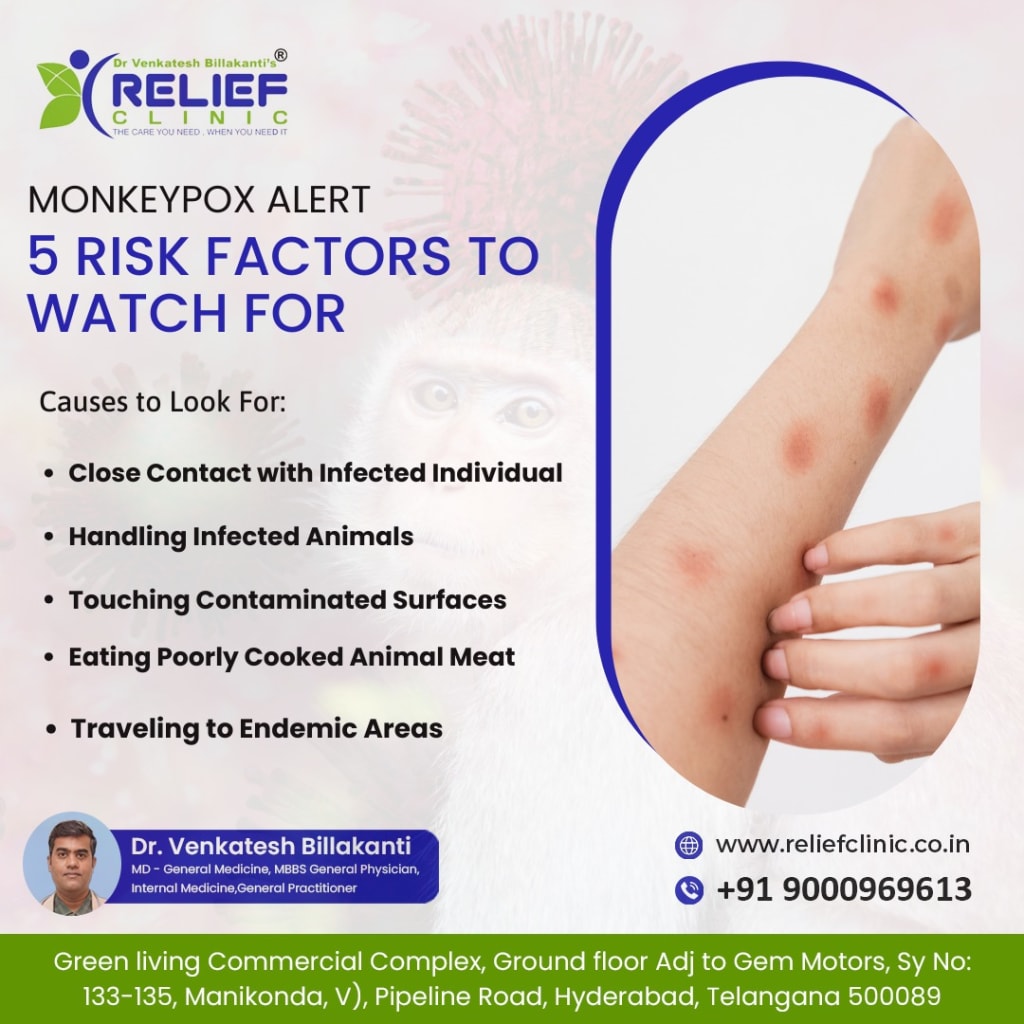
Introduction
Monkeypox is a rare but potentially serious viral infection that has garnered global attention due to its similarity to smallpox. Although initially found in remote areas of Central and West Africa, recent outbreaks have demonstrated the disease's ability to spread worldwide. Understanding the symptoms, transmission, and prevention of Monkeypox is crucial in managing and controlling its spread.
What is Monkeypox?
Monkeypox is a zoonotic viral infection caused by the Monkeypox virus, a member of the Orthopoxvirus genus, which also includes smallpox and cowpox. The disease was first discovered in laboratory monkeys in 1958, hence the name. The first human case was recorded in the Democratic Republic of Congo in 1970.
Causes and Transmission
Monkeypox primarily spreads from animals to humans and, to a lesser extent, between humans. The primary carriers are rodents like squirrels, rats, and certain species of monkeys. The transmission modes include:
Animal-to-Human Transmission: This occurs through direct contact with an infected animal's blood, bodily fluids, or lesions. Consuming undercooked meat from infected animals can also lead to infection. If there is any Infection, like Monkeypox Consult Our General Physician in Manikonda
Human-to-Human Transmission: Although less common, this can happen through respiratory droplets, direct contact with body fluids, or touching contaminated objects like bedding or clothing.
Other Modes of Transmission: Vertical transmission from mother to fetus and contact with broken skin or mucous membranes are also possible.
Symptoms of Monkeypox
Monkeypox symptoms usually appear within 7 to 14 days after exposure, though they can range from 5 to 21 days. Symptoms are generally similar to smallpox but are typically milder. They include:
Fever: One of the earliest signs.
Headache: Accompanied by muscle aches and fatigue.
Swollen Lymph Nodes: Unlike smallpox, lymphadenopathy is a distinctive symptom of Monkeypox.
Rash: The most noticeable symptom, often beginning on the face before spreading to other body parts. The rash progresses through stages: macules, papules, vesicles, pustules, and finally scabs that fall off.
Chills and Sweats: Common during the fever phase.
Respiratory Symptoms: Sore throat, cough, or nasal congestion.
Prevention Measures
Preventing Monkeypox involves several strategies, especially in outbreak-prone areas:
Vaccination: Smallpox vaccines have shown effectiveness in preventing Monkeypox. The JYNNEOS (Imvamune or Imvanex) vaccine is specifically approved for Monkeypox prevention.
Avoid Contact with Infected Animals: This includes not touching sick or dead animals and avoiding contact with their bedding or habitats.
Safe Food Practices: Avoid consuming bushmeat and ensure all meats are thoroughly cooked.
Personal Protective Measures: Wearing masks, gloves, and other protective gear when caring for infected individuals.
Hygiene: Frequent hand washing with soap and water or using alcohol-based sanitizers can reduce the risk.
Diagnosis and Treatment
Diagnosis typically involves laboratory tests such as Polymerase Chain Reaction (PCR) from lesion samples. Blood tests can also help confirm the presence of the virus.
There is no specific treatment for Monkeypox, but supportive care can help manage symptoms. Antiviral drugs like Tecovirimat (TPOXX) have shown effectiveness against Orthopoxviruses and are sometimes used under specific guidelines. In severe cases, intravenous fluids, pain management, and antibiotics for secondary infections may be necessary.
Conclusion
Monkeypox, while not as deadly as smallpox, is still a significant public health concern due to its potential for outbreak. Awareness, early detection, vaccination, and adherence to preventive measures are crucial in controlling the spread of this disease. Public health efforts should focus on education, rapid response to outbreaks, and global cooperation to mitigate the impact of Monkeypox.
About the Creator
Keep reading
More stories from Bhagya Latha and writers in Chapters and other communities.
Excessive Medicine: How It Can Damage Your Health and What You Should Know
In today’s world, it’s easy to turn to medications for quick relief. However, overusing medicines can lead to serious health consequences. As a General Physician in Manikonda at Relief Clinic, I’ve seen the long-term effects that excessive medication can have. Understanding these risks is crucial for maintaining good health.
By Bhagya Lathaabout a year ago in Art
Fair Exchange, No Robberies
Dark Memoirs - Index There are at least two kinds of people in the world: those who write this half-arsed kind of intro to a story that looks to separate the rare and the norm, and those who realise it's an overused framing device and don't.
By Paul Stewart14 days ago in Chapters
Not an Exception
Dark Memoirs - Index "For writers who knowingly lie, for those who substitute unbelievable human behavior for the way people really act, I have nothing but contempt. Bad writing is more than a matter of shit syntax and faulty observation; bad writing usually arises from a stubborn refusal to tell stories about what people actually do—to face the fact, let us say, that murderers sometimes help old ladies cross the street.
By Paul Stewart5 days ago in Chapters
Miss Persephone's Manual to a Seemingly Ordinary Life
Miss Persephone was found at the dining table, her blue eyes swollen, her tears arriving and retreating like the tides of the ocean. Earlier that day, her family had visited her in the retirement home where she had lived for eight years. It was her eightieth birthday.
By Imola Tóth5 days ago in Fiction


Comments
There are no comments for this story
Be the first to respond and start the conversation.