
What are warts — and how do you get rid of them?
Warts
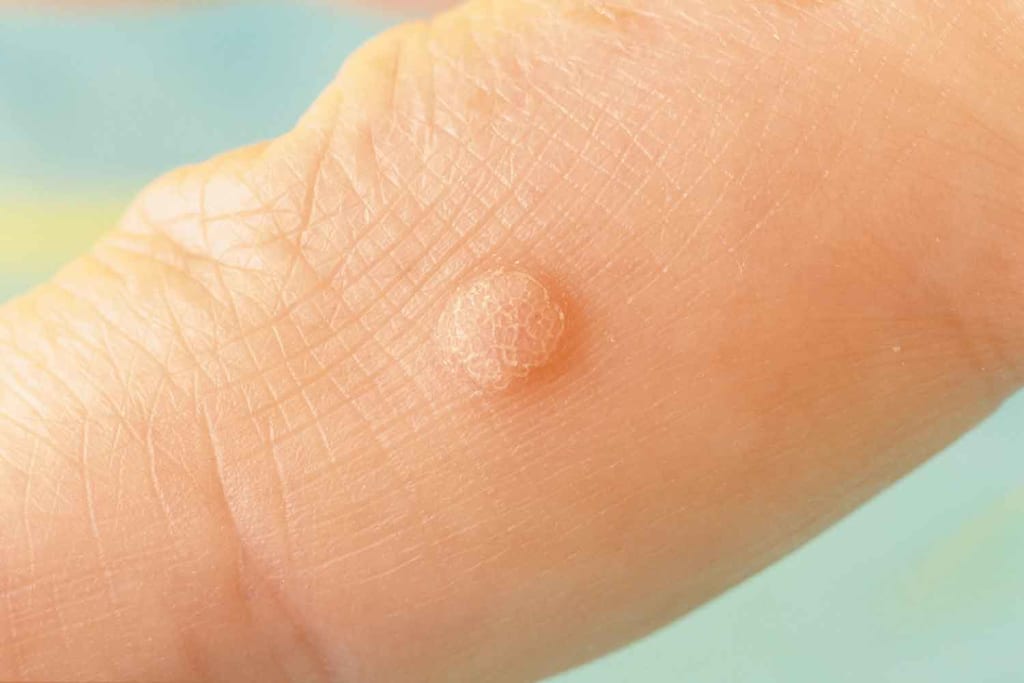
Throughout history, people have attributed
warts to contact with things like sea foam, boiled egg water,
and, of course, toads. We now know that toads are totally
innocent in the matter. They're bumpy because mucus- and poison-
secreting glands dot their skin. And we've figured out that warts are
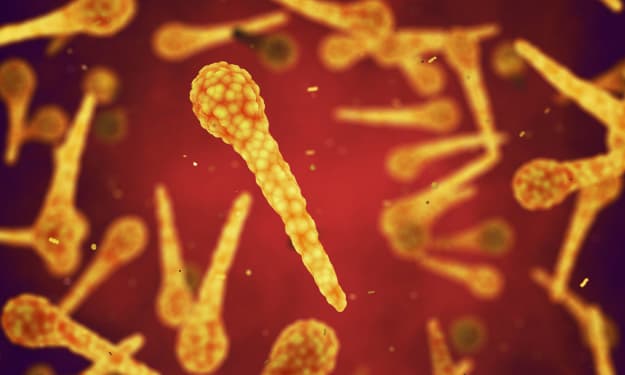
actually caused by papillomaviruses. They form a broad virus family that
infects various species, including us. There are more than 200 different types
of specifically human papillomaviruses, or HPVs. As is the case with all viruses,
HPVs can't multiply independently. Instead, HPVs use our skin cells
to replicate. They do this by infecting the basal cells
that constantly produce new skin cells and line the base of our skin's
outermost layer, the epidermis. Your skin is your largest organ. It functions like a waterproof,
active immune barrier that protects your body
from the many pathogens perpetually poised to penetrate it. If any HPVs do make it past the skin's
outermost surveillance system, it can activate a barrage of defenses. But sometimes, HPVs still make it through. They have a better chance of getting all
the way to the skin's basal cell layer when your skin is wet, softened,
or injured, even with the tiniest of cuts. You're most likely to develop warts
on your hands and feet because they're most likely
to encounter foreign surfaces and get superficially injured, especially in shared, wet environments
like shower rooms. Once HPV reaches your skin's
basal cell layer, it unleashes its genome, which instructs the basal cells
to multiply at higher rates, defer cell death,
and replicate the virus. From there, the infected
skin cells proliferate, piling up as they move towards
the skin's surface, forming that telltale wart. But what exactly the wart looks
like depends on a few factors. It's not totally clear why, but different HPV types tend to infect
different parts of the body, cause unique-looking warts,
and range in seriousness. Common warts are often domed
and found on hands, elbows, and knees; plantar warts occur on the soles of feet,
where walking may flatten them; filiform warts, around the mouth and eyes;
and flat warts, on the legs and face. Warts can also feature little black dots, which are actually tiny blood clots
where capillaries in the skin have become obstructed. Regardless of how exactly the wart forms, when the infected skin cells
it's made of die, they release thousands of HPVs. This is why one wart can theoretically
infect other parts of someone's body— or other people, directly or indirectly. However, the likelihood of this happening
depends on what kind of HPV is involved and what part of the body
it's best at infecting. Most HPVs infect different areas of
the skin and cause benign warts. However, some HPVs prefer
the body's mucosal epithelia, the soft, moist tissues that line our
reproductive, digestive, and respiratory tracts. These HPVs are the most common sexually
transmitted infections. And while they're also usually benign,
they're more likely to be persistent and some types can cause cancers. Doctors might recommend topical
or surgical treatment for these infections. And HPV vaccines that are almost
100% effective in preventing infections from the riskiest HPV types
became available in 2006. The body often keeps HPV at bay or resolves infections
within a couple of years. But some people are more susceptible,
and some HPV types are more persistent. Handling meat and fish puts people
in contact with specific HPV types. Children and elderly people are thought
to be more vulnerable to HPV infections because their skin tends to be thinner
and have less organized immune defenses. And compromised immunity or skin flora— caused by things like smoking,
chemotherapy, HIV, and genetic variation— can make it harder for the body
to suppress HPV infections. And although most warts are harmless
and go away without intervention, they're still contagious, and dermatologists have methods
to help the body clear them. Some treatments work by stimulating
the immune system directly, while others— like salicylic acid
and cryotherapy— irritate the infected area,
indirectly activating an immune response. Thankfully, there are lots of options
available in addressing our wart worries— and simply no need to slander toads.
About the Creator
Keep reading
More stories from TBH Agencia Exclusiva Colsanitas and writers in Chapters and other communities.
Fair Exchange, No Robberies
Dark Memoirs - Index There are at least two kinds of people in the world: those who write this half-arsed kind of intro to a story that looks to separate the rare and the norm, and those who realise it's an overused framing device and don't.
By Paul Stewart14 days ago in Chapters
The Body as a Warning
The body always knows before the mind admits it. Long before the thoughts begin to fray, long before the brilliance turns brittle, long before the light fractures into something sharp, my body starts sending signals — quiet, precise, insistent. Not alarms. Not emergencies. Warnings.
By Elisa Wontorcik3 days ago in Chapters
The Devil's Cut
“Comrade, finally you’re awake.” The voice was smooth, sensual. A flickering incandescent bar was all that lit the white, sterile room. All Vladimir remembered was everything going black. He tried to move his arms and found them strapped to the gurney.
By Matthew J. Fromm5 days ago in Fiction


Comments
There are no comments for this story
Be the first to respond and start the conversation.