
Trends and Challenges in the Field of Embedded Systems
Challenges in the Field of Embedded Systems

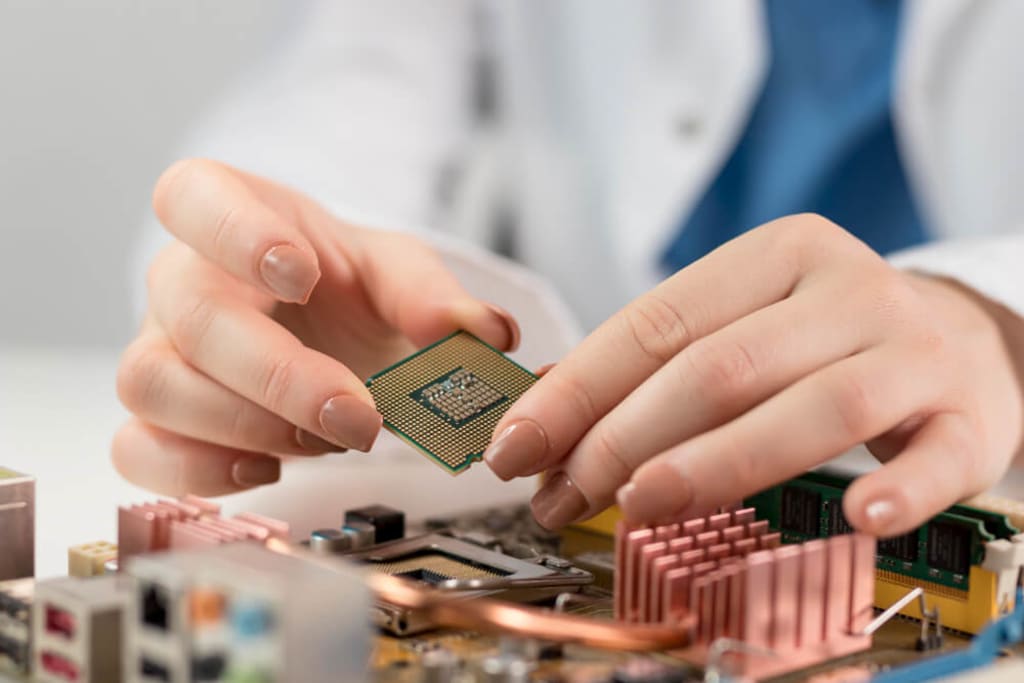
The size of the embedded system market is growing. From healthcare to the automotive industry and beyond, embedded systems form the backbone of modern technologies. This blog covers the transformational trends and the most connected challenges that mark the modern landscape of embedded solutions.
Investigating New Breakthroughs in Embedded Technology
The embedded systems arena is changing quickly with the help of new technologies and changes in the market. Let us examine the most important aspects emerging in the sector:
IoT Controlled Through Embedded Technology
A crucial aspect of embedded systems is the integration of them to drive the Internet of Things (IoT), which is filled with connected devices. Embedded systems are the backbone of IoT, getting, processing, and sending out data from sensors to different applications. Embedded solutions enabled with IoTs are moving towards embedded platforms for smart homes, industrial automation, and much more.
AI Impacting the Field
Embedded systems’ application in artificial intelligence (AI) is phenomenal, and so is the growth of embedded systems. AI can be a value add-on on embedded solutions, making them dynamic and predictive. An example is an AI-based wearable device where the embedded software can modify the feature set depending on the user behavior. This merger is quite useful in areas such as self-driving cars and intelligent robot arms.
Constant Drive for More Efficiency and Lower Consumption
Embedded systems are becoming increasingly powerful as the requirement for efficiency in the applications rises. The healthcare and automotive industries are the early adopters of this trend. RTOS and high-performance embedded system design enable the processing of information in real-time for certain missions, like self-driving car navigation or emergency medicine systems.
Capitalising on the Power of the Cloud
Cloud computing has evolved to be a pillar in the structure of embedded systems. The embedded devices, by having the data computation and storage moved onto the cloud, can be made to scale to great heights. For example, a framework aimed at the industrial Internet of Things processes data streams on the cloud to perform predictive maintenance and better resource usage.
The Role of 5G in Advanced Embedded Systems
5G network deployment has brought about new capabilities in embedded systems. From this unique feature set, low-bandwidth satellite communications become a practical possibility for measuring drug pumps, sensor data, and commands to ID patients for digitally augmented reality surgeons and vector mission drones.
Edge Computing: Bringing Computation Closer
Edge computing enables low-latency interaction between data and devices that are not connected to a main processing server. Embedded systems are part of this topology where they are the edge devices that enable edge computing and achieve sub-systems functional goals active in the context of a mission or event. Real-life applications such as autonomous vehicles, smart factories, and monitoring of critical infrastructure turn to edge-embedded systems to literally have a great edge over performance and efficiency.
The Use of Edge Computing in Machine Learning Technologies
The direct integration of machine learning (ML) into devices and equipment has been pivotal in the improvement of real-time aspects without much dependence on external units. The application of embedded ML, which ranges from language processing in electronic devices to image detection in aerial vehicles, has revolutionised device intelligence.
Read More on Embedded IT Solutions
About the Creator
Epsum Labs
Epsum Labs is a technology company, driving innovation in Industry 4.0, IoT, and automation. We deliver end to end solutions, from concept to execution, across manufacturing, healthcare and logistics industries.
Keep reading
More stories from writers in Chapters and other communities.
Fair Exchange, No Robberies
Dark Memoirs - Index There are at least two kinds of people in the world: those who write this half-arsed kind of intro to a story that looks to separate the rare and the norm, and those who realise it's an overused framing device and don't.
By Paul Stewart15 days ago in Chapters
The Devil's Cut
“Comrade, finally you’re awake.” The voice was smooth, sensual. A flickering incandescent bar was all that lit the white, sterile room. All Vladimir remembered was everything going black. He tried to move his arms and found them strapped to the gurney.
By Matthew J. Fromm6 days ago in Fiction




Comments
There are no comments for this story
Be the first to respond and start the conversation.