
Top Herbal Skin Care Tips for a Natural Glow
Always utilize a patch test to make sure you don't have any allergies or sensitivities to the herbs you use, and keep in mind that consistency is essential when utilizing herbal medicines.

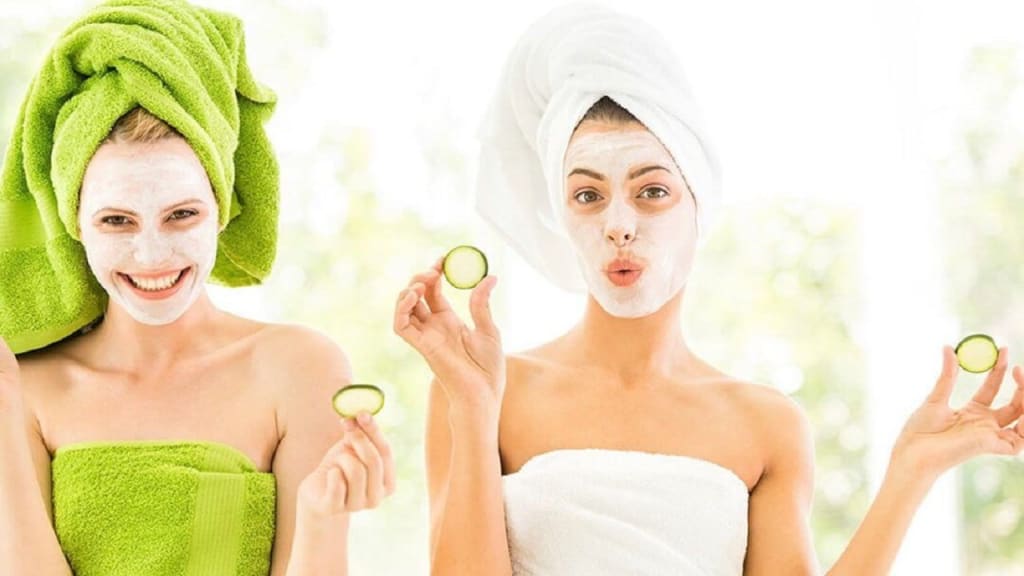
Many individuals are turning to nature for their skincare requirements in the modern world, where cosmetic products can have a long list of ingredients and a high price tag. Herbal skin care is a tried-and-true, reasonably priced way to encourage a healthy, radiant complexion. Herbs, which are rich in vitamins, minerals, and antioxidants, can revitalize and nourish your skin without the use of harsh chemicals. To assist you attain a beautiful, glowing complexion, here are some best practices for herbal skin care.
1. Aloe Vera for Hydration and Healing
Aloe vera has been used for centuries for its healing and hydrating properties. This succulent plant is rich in vitamins C and E, both of which are essential for maintaining healthy skin. Aloe vera helps soothe sunburns, moisturizes dry skin, and reduces inflammation, making it perfect for all skin types, especially sensitive skin.
To use aloe vera, simply extract the gel from a fresh aloe leaf and apply it directly to your skin. Let it sit for 15-20 minutes before washing it off with lukewarm water. For an added boost, mix the aloe vera gel with a few drops of honey to lock in moisture and enhance the healing process.
2. Green Tea for Antioxidant Protection
Green tea is packed with antioxidants, particularly polyphenols, which are known to fight free radicals that damage the skin and contribute to aging. Drinking green tea can help detoxify your body, and applying it topically can protect your skin from UV damage and reduce inflammation.
To create a green tea toner, brew a strong cup of green tea and allow it to cool. Use a cotton pad to gently apply the tea to your face after cleansing. You can also mix green tea with aloe vera gel for an extra soothing face mask that will leave your skin feeling refreshed and rejuvenated.
3. Chamomile for Calming Effects
Chamomile is widely known for its calming properties, but it’s also beneficial for skin care. Chamomile can reduce redness and inflammation, making it ideal for sensitive or irritated skin. It also helps with skin conditions like eczema and acne due to its antibacterial and anti-inflammatory effects.
To use chamomile on your skin, brew a chamomile tea bag in hot water and allow it to cool. Apply it to your face with a cotton ball, or you can even soak a clean cloth in chamomile tea and place it over your face as a calming compress.
4. Turmeric for Brightening and Anti-Aging
Turmeric, a golden-yellow spice, has been a staple in herbal skin care for centuries. It’s known for its powerful anti-inflammatory and antioxidant properties. The active compound in turmeric, curcumin, can brighten your complexion, fade dark spots, and reduce the appearance of fine lines and wrinkles.
To use turmeric for skin care, create a simple turmeric face mask by mixing turmeric powder with honey and yogurt. Apply the paste to your face, leave it on for 10-15 minutes, and rinse off with lukewarm water. This mask helps lighten pigmentation and gives your skin a healthy glow.
5. Rose Water for Toning and Hydration
Rose water is a natural toner that helps balance the skin’s pH levels, tighten pores, and hydrate the skin. Its anti-inflammatory and antibacterial properties make it an excellent choice for those with acne-prone skin. Rose water is gentle enough for all skin types, including sensitive skin.
After cleansing, spritz rose water onto your face or apply it with a cotton pad. You can also mix rose water with a few drops of essential oils like lavender or tea tree oil to create a soothing facial mist that refreshes your skin throughout the day.
6. Neem for Acne and Skin Clarity
Neem, often referred to as the "village pharmacy," has been used in Ayurvedic medicine for centuries due to its powerful antibacterial, antifungal, and anti-inflammatory properties. Neem can help clear acne, reduce scars, and promote an even skin tone.
To use neem, create a paste by grinding fresh neem leaves with water, or use neem powder if fresh leaves aren’t available. Apply the paste to your face, leave it on for 10-15 minutes, and rinse off with lukewarm water. For best results, use neem regularly to see clearer, healthier skin.
7. Lavender for Relaxation and Skin Repair
Lavender is known for its calming and soothing effects, but it also has healing properties for your skin. Lavender oil is rich in antioxidants that protect against skin aging and improve skin texture. It can help reduce acne, soothe irritation, and even lighten dark spots.
To incorporate lavender into your skincare routine, add a few drops of lavender essential oil to a carrier oil like coconut or jojoba oil and massage it onto your skin before bed. You can also add lavender oil to your moisturizer or face mask for added benefits.
conclusion
Having healthy, radiant skin may be done naturally and gently with herbal skin care. You may avoid the low chemicals found in many commercial skincare products and still obtain a glowing complexion by implementing these easy yet powerful natural treatments into your daily routine. Whether you use lavender, turmeric, green tea, or aloe vera, these herbs may revitalize your skin and enhance its inherent beauty.
Always utilize a patch test to make sure you don't have any allergies or sensitivities to the herbs you use, and keep in mind that consistency is essential when utilizing herbal medicines. You may have radiant, youthful skin the natural manner if you have patience and take care of it!
About the Creator
Wellness Health Organic
Discover a healthier lifestyle with Wellness Health Organic. Explore organic products, wellness tips, and natural solutions for a better life. Visit wellnesshealthorganic.com.
Keep reading
More stories from writers in Chapters and other communities.
Search for a Sister, Chapter Two
4-H-N heard not a word about her secret mission around Headquarters over the following days, so had to conclude either Mini-Flash Phytolith hadn’t been listening in after all, or she’d misjudged him. She hoped it was the latter, as she wanted the pair of them to get on, even if he wasn’t going out of his way to make it easy for her.
By Doc Sherwood20 days ago in Chapters
Why Do Hobbies Work So Well With Our Lifestyles
When we look at the hobbies that we have in our lives, do we look at how well living and our lifestyles work together? Or do they work together in a way that works for you? Or do they work at all? As we look at our lives and the hobbies that are in them, do we look at how the two things work together? Or do we just do them together and hope for the best. It all depends on what you want from your hobbies and your life together. When you do your hobbies with your lifestyle what happens? Well the two of them work well together because life and hobbies are things that make each other go the way they are supposed to. Hobbies in our lifestyles is what gives our lifestyles variety which is what hobbies are meant to do for each and everyone of our lives. The more we do our hobbies with our lifestyles the more our lives are lived the way we want to live them. So put your hobbies into your lifestyle and see where you end up. When we put our hobbies into our lives we make them work with our lifestyles because we want a way to relax that also has variety too.
By Louise Barracoa day ago in Chapters


Comments
There are no comments for this story
Be the first to respond and start the conversation.