
The Vikings: More Than Warriors, Less Than Myths
Who the Vikings Really Were — and Why Their Way of Life Still Fascinates Us Today

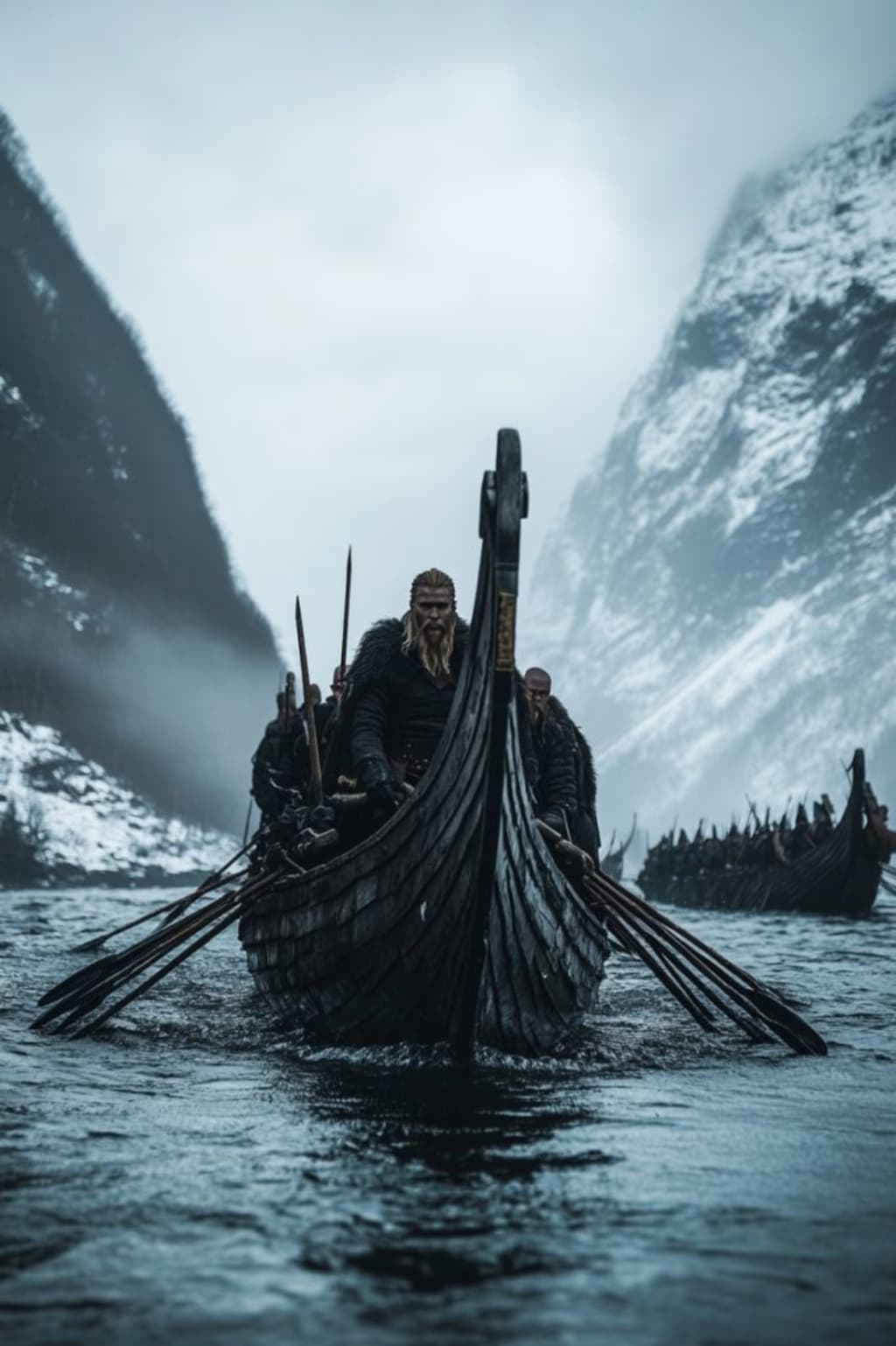
When people hear the word Viking, they imagine chaos.
Axes.
Longships.
Fire on the horizon.
Men with wild beards screaming into battle.
But that image is only a fraction of the truth.
The Vikings were not just raiders.
They were explorers, traders, farmers, poets, and thinkers.
They lived by a code shaped by survival, honor, and an unforgiving world.
And once you strip away the exaggeration, what’s left is something far more interesting than myth.
____________________________________________
The Vikings weren’t a single people — they were a way of life.
“Viking” wasn’t a nationality.
It wasn’t even a permanent identity.
To go Viking meant to sail out — to raid, trade, explore, or seek opportunity.
Most Vikings were ordinary people who spent most of their lives farming, fishing, and raising families.
Raiding was seasonal.
Life was practical.
This matters, because it reframes the Viking mindset:
they weren’t driven by bloodlust — they were driven by necessity.
____________________________________________
Their world was harsh, and it shaped everything.
Scandinavia was not generous land.
Short growing seasons.
Cold winters.
Rocky soil.
Survival required strength, adaptability, and cooperation.
If you didn’t pull your weight, you didn’t last.
This environment created a culture that valued action over comfort and courage over fear.
Not because it sounded noble — but because weakness had consequences.
____________________________________________
Vikings valued honor more than safety.
Honor wasn’t abstract.
It was reputation.
Your word mattered.
Your actions followed you.
Your name was your legacy.
They believed a life lived without honor wasn’t worth remembering.
And being remembered mattered — deeply.
This wasn’t arrogance.
It was a response to a short, uncertain life.
When death is always close, meaning becomes urgent.
____________________________________________
They didn’t fear death — they respected it.
Viking beliefs around death are often misunderstood.
They didn’t chase death recklessly.
They accepted it realistically.
To die well meant dying with purpose — not avoiding risk at all costs.
Fear wasn’t eliminated; it was managed.
That mindset created warriors who were dangerous not because they were fearless, but because they refused to let fear control them.
____________________________________________
Vikings were explorers before they were conquerors.
They didn’t just raid nearby lands.
They sailed across oceans.
They navigated rivers deep into continents.
They reached places no one expected them to.
Their ships were engineering masterpieces — fast, flexible, and built for open water and shallow rivers.
Curiosity drove them as much as survival.
They weren’t content staying where they were born.
They believed opportunity existed beyond the horizon.
____________________________________________
Their society was more balanced than people think.
Women in Viking society had more rights than in many other cultures at the time.
They could own property.
Initiate divorce.
Manage households and businesses.
Strength wasn’t only physical — it was responsibility.
Viking society functioned because everyone had a role, and every role mattered.
____________________________________________
Mythology wasn’t fantasy — it was philosophy.
Norse myths weren’t about escape.
They were about struggle.
Even the gods weren’t immortal.
Even they faced doom.
This wasn’t depressing — it was grounding.
The message was clear:
Life is temporary, struggle is inevitable, meaning comes from how you face it.
That belief created resilience.
____________________________________________
Why Vikings still fascinate us today.
Because they represent something we feel we’ve lost.
Directness.
Purpose.
Connection to consequence.
They lived close to danger, nature, and reality.
Their actions mattered immediately.
In a modern world filled with comfort and abstraction, that rawness feels powerful.
____________________________________________
The real Viking lesson isn’t violence — it’s responsibility.
Vikings didn’t wait for permission.
They didn’t blame circumstances endlessly.
They acted.
They accepted the weight of their choices — good or bad.
That’s why their stories lasted.
____________________________________________
Final thought
The Vikings weren’t heroes.
They weren’t villains.
They were humans shaped by a brutal world who responded with courage, adaptability, and purpose.
And maybe that’s why we still talk about them.
Not because they conquered lands —
but because they refused to live small lives.
About the Creator
Glass Winter | Chapter X
When it became too much all Mal could do was retreat from the world, despite his high position within the commune. He could no longer cast his thoughts onto all that was beautiful, nor observe the darkness and all its frightful potential. No. He could only be.
By Andrei Babanin2 days ago in Chapters



Comments
There are no comments for this story
Be the first to respond and start the conversation.