
The Triumph of Good Over Evil: A Vijayadashami Tale
A VIJAYADASHAMI TALE

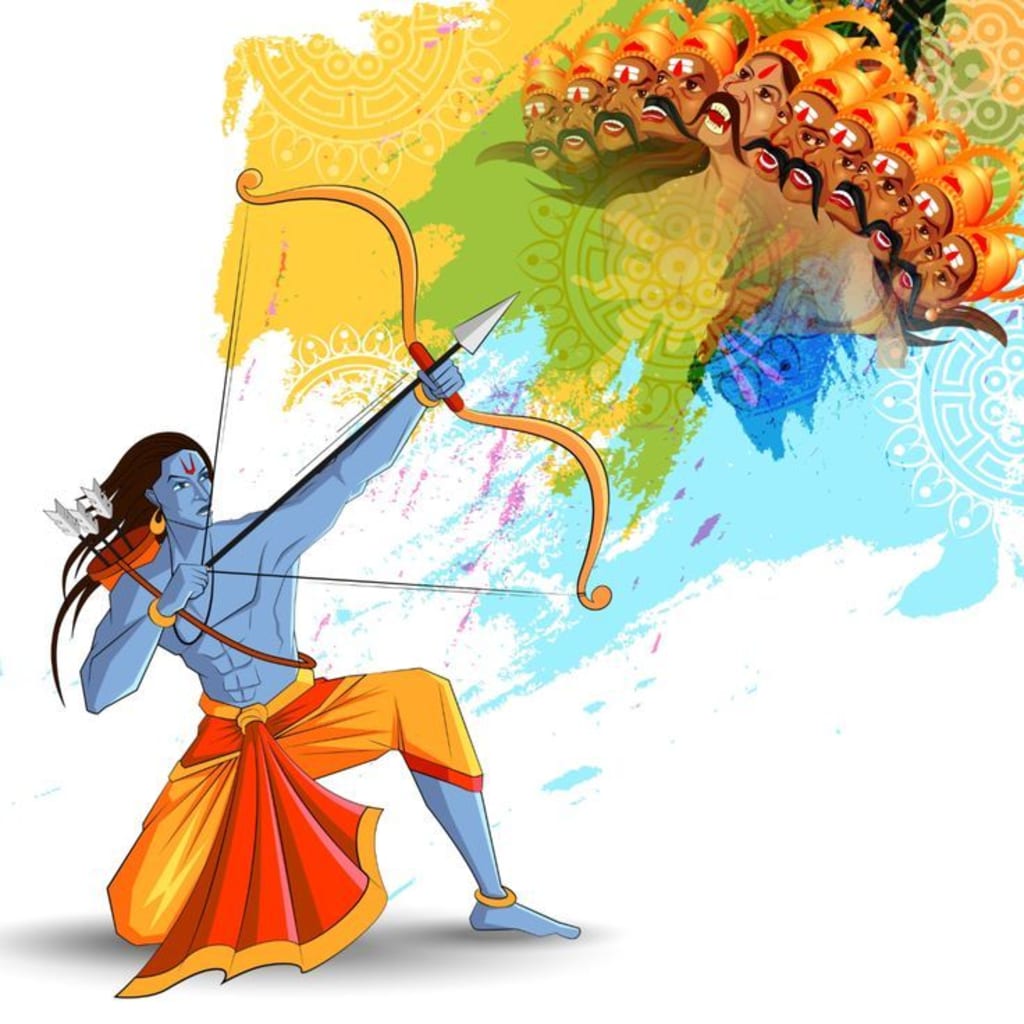
The Triumph of Good Over Evil: A Vijayadashami Tale
Introduction to Vijayadashami
Vijayadashami, also known as Dussehra, is a significant Hindu festival celebrated across India. It symbolizes the victory of good over evil and marks the end of the nine-night festival of Navratri. This festival is rooted in the ancient epic of Ramayana, depicting the battle between Lord Rama and the demon king Ravana. The story narrated here captures the essence of Vijayadashami through the lens of a small village and its vibrant celebrations.
A Village Awaits
In the quaint village of Sundarpur, the air buzzed with excitement as Vijayadashami approached. Children raced through the streets, their laughter mingling with the rhythmic beats of drums. Colorful decorations adorned every home, while the scent of freshly made sweets wafted through the lanes. The village square was alive with activity; artisans crafted effigies of Ravana, Meghnath, and Kumbhkaran, preparing for the grand festivities.
Among the villagers was a young boy named Aarav. With wide eyes and an insatiable curiosity, he eagerly awaited the arrival of Vijayadashami. For Aarav, this festival was not merely a celebration; it was a reminder of the timeless struggle between virtue and vice.
The Legend of Rama
As the festival drew nearer, Aarav's grandfather, an esteemed storyteller, shared tales of Lord Rama with the village children. Under the shade of a large banyan tree, he recounted how Rama, along with his loyal companions Hanuman and Lakshmana, had waged war against the formidable Ravana to rescue his beloved wife, Sita.
“Ravana, despite his great powers, was consumed by his ego and desire. But Lord Rama’s unwavering faith and righteousness prevailed,” the grandfather explained. The children listened with rapt attention, imagining the epic battles and the vibrant characters.
The Night of Navami
The festivities began with Navami, the ninth night of Navratri, dedicated to the worship of Goddess Durga. Sundarpur transformed into a spectacle of lights and colors. The villagers set up a large pandal, where dances and prayers filled the nights with reverence and joy.
Aarav participated in the garba dance, spinning and twirling with his friends. The atmosphere was electric, and the night sky sparkled with stars, as if echoing the vibrant spirit of the village. The girls wore bright lehengas while the boys donned traditional kurta-pajamas, their faces adorned with joy.
The Day of Vijayadashami
Finally, the much-anticipated day of Vijayadashami dawned. The village awoke to the sounds of bells ringing and conch shells blowing. Aarav could hardly contain his excitement. He donned his best clothes and rushed to the village square, where the towering effigies of Ravana, Meghnath, and Kumbhkaran stood tall, waiting for their fiery demise.
As the sun began to set, the villagers gathered for the ceremonial prayers. Elders recited verses from the Ramayana, invoking blessings for prosperity and victory. Aarav stood among them, eyes wide with awe as the air crackled with anticipation.
The Epic Battle
As darkness descended, the moment of truth arrived. The effigies were set ablaze, and the villagers cheered, chanting slogans of victory. Aarav watched in awe as flames engulfed the towering figures. The firelight flickered in his eyes, reflecting the timeless battle between good and evil.
Suddenly, the ground shook, and a voice boomed from the speakers: “For every evil that plagues our lives, we rise like the phoenix!” It was the village chief, inspiring everyone to embrace righteousness and reject negativity.
Aarav felt a surge of emotions. He realized that this was more than just a celebration; it was a lesson on courage, integrity, and the power of good over malevolence.
The Fireworks of Joy
With the effigies reduced to ashes, the night sky erupted in a spectacular display of fireworks. Colors burst forth, illuminating the village with dazzling lights. Aarav and his friends danced in joy, their laughter ringing through the air like the sweetest melody.
Families gathered around, sharing sweets and stories of their own battles against adversity. Aarav listened intently, his heart swelling with pride for his community. Each story was a reminder that just as Lord Rama had fought Ravana, every villager had their own struggles to overcome.
A Lesson Learned
As the festivities wound down, Aarav found a quiet spot by the riverbank, gazing at the reflections of the stars in the water. He thought about the stories his grandfather had told and the values they embodied. He understood that the spirit of Vijayadashami was not confined to a single day but lived on in the hearts of those who believed in truth and righteousness.
“Today, we celebrated a victory,” he mused to himself, “but every day is a chance to choose the path of goodness.”
Conclusion: Carrying the Spirit Forward
As the last remnants of the festival faded away, Aarav returned home, his heart filled with inspiration. He knew that he wanted to carry the spirit of Vijayadashami into his daily life. With each challenge he faced, he would strive to emulate Lord Rama's virtues—courage, compassion, and unwavering faith.
In Sundarpur, the festival of Vijayadashami would always be a reminder that though evil may rise, the strength of good would always prevail. And as long as there were stories to tell and values to uphold, the legacy of this celebration would endure, lighting the path for generations to come.
About the Creator
Mahalakshmi
"My name is Mahalakshmi, and I'm passionate about storytelling in all its forms. From fiction to real-life tales, I love writing all types of stories that inspire, entertain, and spark imagination. Join me on this creative journey!"
Keep reading
More stories from Mahalakshmi and writers in Chapters and other communities.
"Battle of the Bots: How China’s Budget-Friendly DeepSeek is Taking on ChatGPT and Winning the Inter
"Battle of the Bots: How China’s Budget-Friendly DeepSeek is Taking on ChatGPT and Winning the Inter Artificial intelligence continues to reshape our world, and the latest development from China—DeepSeek, a budget-friendly AI model—has set the internet abuzz. With its launch, comparisons to OpenAI’s ChatGPT have surfaced, sparking debates, excitement, and a wave of memes on social media. While DeepSeek promises to democratize AI accessibility with its affordability, its emergence has also exposed the challenges of competing with established players like ChatGPT. This article dives into the details of this rivalry and explores how DeepSeek has become a viral sensation.
By Mahalakshmiabout a year ago in Chapters



Comments
There are no comments for this story
Be the first to respond and start the conversation.