
The science of laughter
Why we laugh
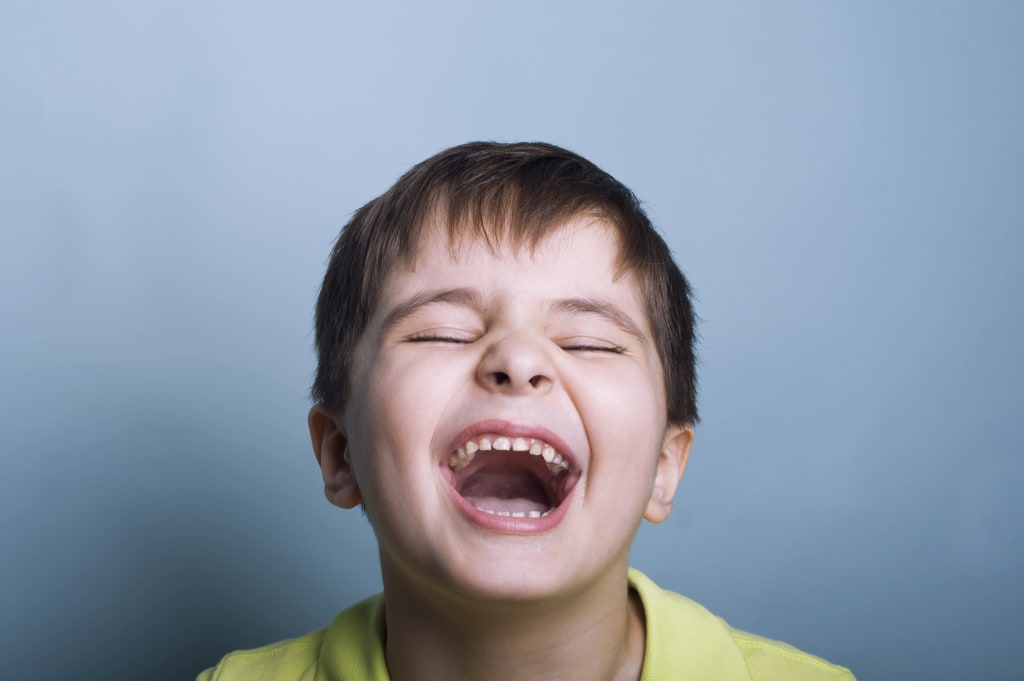
Isn’t it odd that, when something’s funny, you might show your teeth,
change your breathing, become weak and achy in some places,
and maybe even cry? In other words, why do we do
this bizarre thing that is laughter? When you laugh, your abdominal muscles
contract rapidly. This alters your breathing patterns, increasing the pressure in your
chest cavity, and pushing air out, which might audibly emerge as a snort,
wheeze, or vocalization. Because you’re exerting your abdominal
muscles much more than you usually would while talking, they may start to hurt. Laughter also inhibits your reflexes
and muscle control, causing sensations like leg weakness. So, where does this funny phenomenon
come from? Because there’s no archaeological
record of laughter, it’s impossible to say exactly how and why
it evolved, but scientists have some theories. Importantly, humans are not
the only animals today that do something like laughter. Using ultrasonic recorders, researchers in the late 90s realized
that rats were basically giggling while being tickled. Scientists have since compiled evidence
of at least 65 species— mostly mammals, but also some birds—
that vocalize during social play. Some, unsurprisingly,
are our closest relatives. By recording and analyzing the sounds
primates make while playing and being tickled, researchers grew more convinced that
the ancient ancestor of all great apes did something like laughter. And, because other apes make laughter-like
sounds during rough-and-tumble play, they think laughter may have originally
developed to clearly signal friendly, non-aggressive intent. But of course, humans don’t just laugh
when we’re wrestling, but also when we’re amused,
and even surprised, confused, or nervous. Some scientists think laughter took
on expanded functions after humans split from other great apes and developed large social groups
and more complex language abilities. They hypothesize that laughter gradually
became something we could use not just during play but within speech
to convey subtle meanings and a range of contexts
to show our emotions. This is thought to be one of the reasons
that laughter is contagious: it’s like an invitation to share
in someone’s emotional state. Just hearing clips of laughter can
activate key regions in your brain, triggering you to smile or laugh yourself. And, when participants in one study
watched a funny video, they laughed significantly longer
and more often when another person was present— even though they reported feeling
the same level of amusement. Human laughter is also generally louder than the play vocalizations
of most animals. Some scientists speculate that this
is because our laughter functions not only as a signal between individuals,
but a broadcast to everyone around. Studies found that observers across the
world and as young as 5 months old could reliably tell the difference
between close friends and acquaintances just from brief clips of them laughing. Similarly, we can tell whether a laugh
is real or fake based just on the sound. Fake, or volitional, laughter is produced in entirely different networks
in the brain, relying on speech-like pathways. Meanwhile, spontaneous laughter arises
from older networks that other animals also use
for their vocalizations. And laughter is not just
socially important; it’s also thought to be good for us. When we laugh, our brains release
feel-good neurotransmitters like endorphins, and decrease levels of stress hormones
like cortisol. Some research even suggests that people
who laugh more can cope with stress more effectively
and have better cardiovascular health. Laughter is a universal human behavior. Babies can laugh before they can speak. Whether it's the best medicine
depends on your ailment. But as something that makes
life more tolerable, strengthens bonds, and potentially
improves aspects of your health, you can’t go wrong with a good laugh. Unless you have a broken rib or something. Then it’s no laughing matter. Certainly nothing to crack up about.
About the Creator
Keep reading
More stories from TBH Agencia Exclusiva Colsanitas and writers in Chapters and other communities.
Moses Fleetwood Walker
Until Jackie Robinson joined the Brooklyn Dodgers in 1947 March 6, 2026 —Leavie scott Long before Jackie Robinson became a household name in 1947, another pioneering athlete stepped onto the field and challenged the deeply entrenched racial barriers of his era. His name was Moses Fleetwood “Fleet” Walker (1856–1924), and although history remembers him primarily as one of the earliest Black athletes to play in professional Major League Baseball, his extraordinary life story stretches far beyond the diamond.
By TREYTON SCOTT2 days ago in Chapters


Comments
There are no comments for this story
Be the first to respond and start the conversation.