
The Role of Telehealth in Managing Anxiety and Depression
Telehealth in Managing Anxiety and Depression


Anxiety and depression affect millions every day. These conditions make life tough. Anxiety brings constant worry. Depression causes deep sadness. Both harm work, relationships, and health.
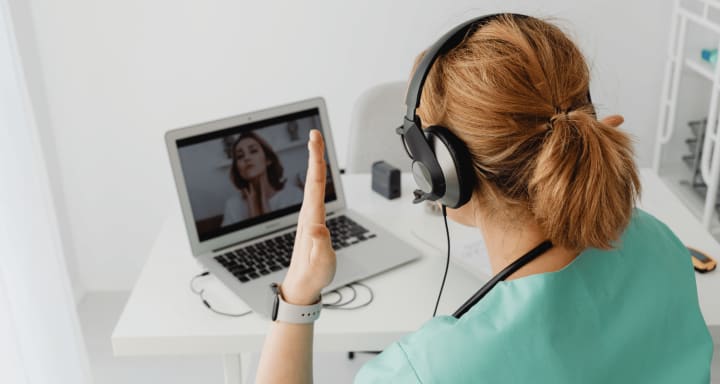
Getting help can be hard due to long waits or travel issues. Telehealth changes this by offering care through video calls and apps. It lets people talk to doctors from home. This method has grown fast and helps those who can't easily reach clinics.
What Is Telehealth?
Telehealth uses tech to provide health care remotely. It includes video chats with doctors, phone calls, or apps for therapy. Patients can track moods or get med reminders. It’s useful for mental health issues like anxiety and depression.
One example is Isha Health, which offers online ketamine therapy for these conditions. With Isha Health, patients get medicine sent home and have virtual sessions with doctors. This fits busy schedules and reduces travel stress. For someone with anxiety, staying home feels safer. They show how telehealth makes advanced treatments accessible without office visits.
Benefits of Telehealth for Mental Health
Easy Access to Care
Telehealth makes getting help simple. Rural areas often lack mental health experts. Video calls connect patients to far-away doctors. No long drives needed. This helps during bad weather or for those with health risks. Parents avoid finding childcare. Workers don’t miss work. Convenience means people stick to treatment plans. Anxiety patients skip crowded waiting rooms. Depression sufferers get help even on hard days when leaving bed feels impossible.
Cost Savings
Telehealth can save money. It cuts travel costs like gas or bus fares. Some insurance plans cover it fully. Shorter wait times mean quicker relief, preventing worse symptoms. Fewer emergency hospital visits ease the system’s burden. Not all services are free, so check your plan first.
Better Attendance
Studies show telehealth reduces missed appointments. People attend more sessions when they don’t need to travel. This is key for low-income groups who face money or time barriers. Better attendance leads to faster improvement.
How Telehealth Works
Getting Started
To begin, patients sign up online. They fill out forms about their symptoms. A doctor reviews them and sets up a video call. During the call, they talk about feelings and goals. The doctor might suggest therapy like CBT, which helps change negative thoughts. For meds, they prescribe and check side effects remotely. Secure messaging lets patients ask quick questions.
Tools for Anxiety and Depression
Telehealth offers many tools. Apps teach breathing exercises to calm panic attacks. Video therapy builds step-by-step plans to face fears. Mood trackers log triggers and progress. For depression, online journals help track feelings. Therapists guide goal setting. Group chats build support networks. Med checks ensure doses work right. Some tools use wearables to monitor sleep or activity.
Does It Really Work?
Evidence Says Yes
Research shows telehealth works as well as in-person care for anxiety and depression. It reduces symptoms effectively. One study found better attendance in low-income groups. Phone calls help motivate people to start care. Patients feel heard and gain daily life skills. During the pandemic, it filled gaps when offices closed.
Real-Life Impact
Patients share success stories. One felt less alone after weekly calls. Another managed work stress better with app tips. Families see changes faster. This builds trust in telehealth. Compared to old ways, it cuts wait times from months to days. No traffic stress. Records stay digital and easy to share.
Challenges to Consider
Telehealth isn’t perfect. Not everyone has strong internet. Older adults may find tech hard. Privacy concerns stop some from trying. Doctors need special training for virtual care. State laws limit what can be done online. Severe cases may need in-person visits for exams or touch. Still, for most, it’s a great option.
Tips for Using Telehealth
To start, find a provider. Check your health plan for telehealth options. Sites like Psychology Today list virtual therapists. Ask your doctor for referrals. Test your device before the call. Pick a quiet space. Write down symptoms ahead of time. Be open during talks. Follow the plan and attend all sessions.
The Future of Telehealth
Growing Possibilities
Tech keeps improving. Better video and AI tools will make care smoother. More studies will show the best ways to use it. Primary care doctors are adding telehealth to catch issues early. Schools use it for youth. Workplaces offer it for stress.
Specialized Care
Isha Health leads in unique treatments. They use ketamine for tough cases when other meds fail. This drug works fast on brain paths tied to mood. Guided sessions help process emotions safely.
Who Benefits Most?
Telehealth helps many groups. Veterans with PTSD get care without leaving base. Busy parents fit sessions during kids’ naps. Teens like texting over talking. It meets people where they are. Recent data shows lasting gains and higher motivation. It lowers barriers for underserved areas.
Final Thoughts
Telehealth plays a big role in managing anxiety and depression. It brings care to your home. Tools and support help people improve faster. Whether it’s therapy, meds, or apps, it fits modern life. Talk to a doctor today.
About the Creator
Noor Muhammad Khan
Noor is a photographer, vlogger, and medical researcher who loves to help the community around him.
Reader insights
Nice work
Very well written. Keep up the good work!
Top insight
Expert insights and opinions
Arguments were carefully researched and presented
Keep reading
More stories from Noor Muhammad Khan and writers in Chapters and other communities.
Search for a Sister, Chapter Two
4-H-N heard not a word about her secret mission around Headquarters over the following days, so had to conclude either Mini-Flash Phytolith hadn’t been listening in after all, or she’d misjudged him. She hoped it was the latter, as she wanted the pair of them to get on, even if he wasn’t going out of his way to make it easy for her.
By Doc Sherwood19 days ago in Chapters
Sacrifices for the Balance Chapter 9: Life on the Front
Percival has to deal with the cold war at home and finds a clue while Wendy does some research. As Percival walked into his trailer, he wasn't sure whether he should be amused or worried. Nier had wasted no time in putting up the obligatory “NO ENTRANCE” sign on his door. Establishing his territory. How cute. Roderick was planted in front of the television playing GTA5, next to him was a large bottle of beer and a bowl of pepperoni ends on the table, his go-tos on a rough day. It didn't take the skills of the tribe's best investigator to figure out why.
By Jamais Jochim2 days ago in Chapters



Comments (2)
Can't agree anymore. Thank you for sharing your thoughts.
This resonates so much. Anxiety and depression already make leaving the house feel like climbing a mountain, so the reminder that help can come straight to your phone or laptop is honestly comforting. I really like how you highlighted the human side of it parents not having to scramble for childcare, people skipping the stress of waiting rooms, and those days when depression keeps you in bed but you can still show up for therapy online. Telehealth isn’t just convenient, it’s often the bridge that keeps people from falling through the cracks.