
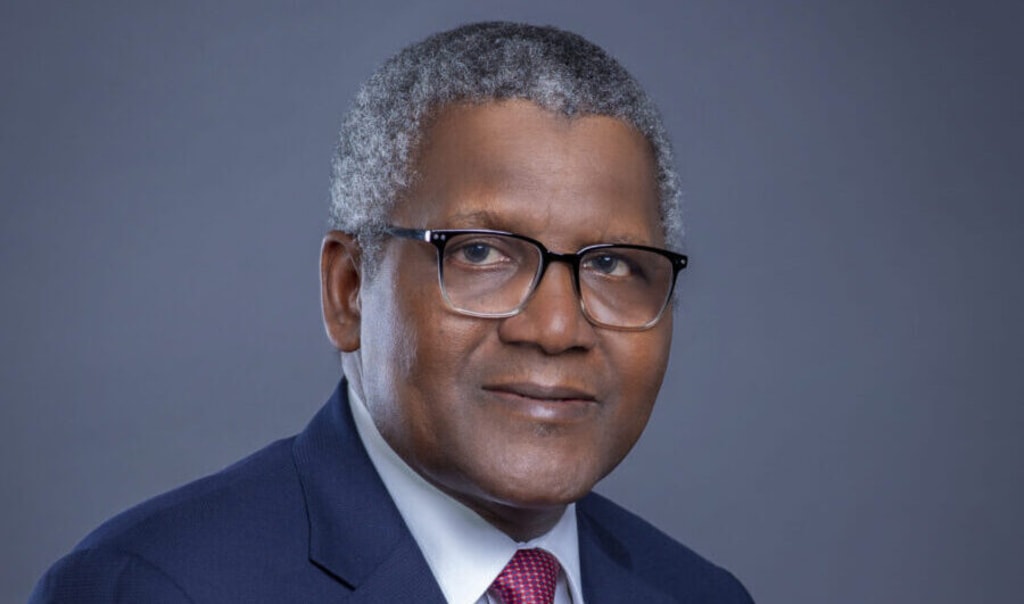
In addition to its economic impact, Dangote Cement’s success also had significant geopolitical implications. By reducing Africa’s dependence on imported cement, Dangote helped to bolster the continent’s self-sufficiency in a critical industry. This shift not only strengthened local economies but also reduced the outflow of foreign exchange, which had previously been spent on importing cement. Moreover, by becoming a major player in multiple African markets, Dangote Cement also enhanced Nigeria’s influence and soft power across the continent, positioning the country as a leader in African industrialization.
Today, Dangote Cement is the largest cement producer in Africa, with a presence in more than ten countries and a production capacity of over 45 million metric tons per year. The company’s dominance in the cement industry has been a key contributor to Aliko Dangote’s wealth, making him not only the richest man in Africa but also a symbol of the continent’s potential for industrial and economic transformation. The success of Dangote Cement has also inspired other African entrepreneurs to invest in local manufacturing, contributing to the broader goal of economic diversification and industrialization across the continent.
Aliko Dangote’s entry into the cement industry was more than just a business decision; it was a strategic move that reshaped the economic landscape of Africa. By focusing on local production, backward integration, and pan-African expansion, Dangote not only built a business empire but also played a pivotal role in the continent’s journey towards economic self-reliance and industrial development. The story of Dangote Cement is a testament to the power of vision, ambition, and strategic thinking, and it serves as an inspiration for entrepreneurs across Africa and beyond.
About the Creator
The First Hours of World War III
The First Hours of World War III World War III will not begin with a formal declaration, a single invasion, or a dramatic announcement on television. If it comes, it will begin quietly—through alerts, miscalculations, automated systems, and decisions made under extreme pressure. The early hours of a global war will feel confusing, fragmented, and unreal, long before the world understands what has happened.
By Wings of Time 5 days ago in Chapters
Who is your "Person"?
It's important to recognize that you cannot go through life as easily on your own. My name is Elizabeth and I'm a survivor of child abuse and horrific trauma. Healing from trauma is not a quick fix and recognizing that it will take time, is part of the struggle.
By Elizabeth Woods4 days ago in Psyche



Comments
There are no comments for this story
Be the first to respond and start the conversation.