
The Resource Paradox: Jharkhand's Tale of Riches and Poverty
Explore the paradox of Jharkhand, a state rich in minerals yet plagued by poverty. Learn about its resource curse, environmental impact, and the urgent need for solutions that promote equitable growth. Discover how wealth can and should transform lives with sustainable development and community involvement.

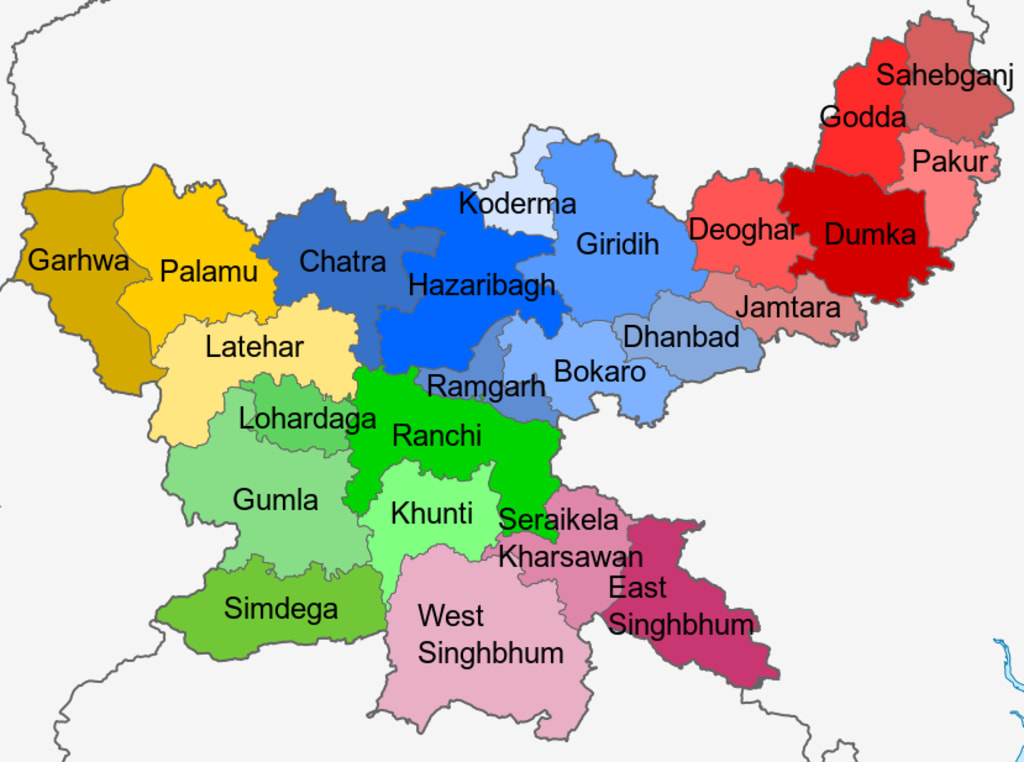
Imagine walking down roads and lanes where mica, coal, and iron treasures lie beneath your feet. Yet around are people fighting to survive in a land where schools and their facilities have been denied their minimum rights to healthcare. So is the paradox of Jharkhand, a resource-rich state severely ravaged by poverty.
Welcome to the resource paradox, where wealth lies in the soil but not in the hands of the people. Jharkhand is one of India's mineral-rich states, producing over 40% of the country's minerals, including coal, iron ore, copper, and mica. Yet, it consistently ranks among the poorest states in India.
This paradox is not just fascinating; it's a call to understand and act. Policymakers and activists play a crucial role in addressing this issue. Let's dive deeper into this troubling story and engage with the issue.
Jharkhand: A Land of Abundance
Jharkhand is a treasure house of natural wealth. It contains 29% of Indian coal reserves and 40% of the iron ore deposits, and hence, it is not surprising that the state plays its role in the country's overall industrial growth. Steel giants like Tata Steel and SAIL depend much on Jharkhand for their vital raw materials.
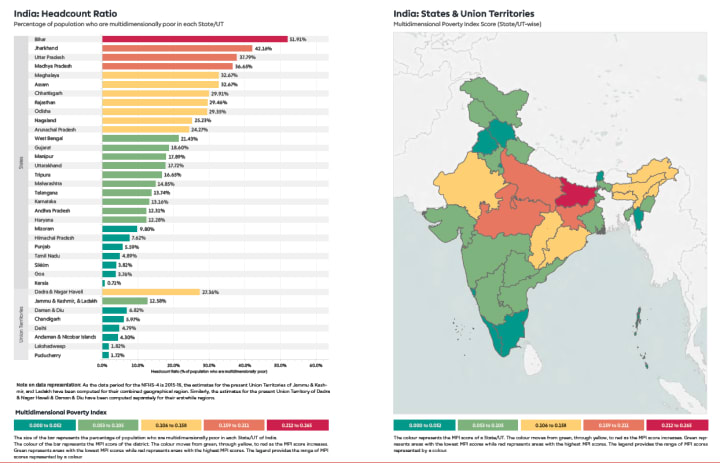
Here, however, is the problem: despite its richly blessed territory, 37% of its population lives below the poverty line, according to the National Multidimensional Poverty Index 2021, a comprehensive measure of poverty that takes into account various factors such as health, education, and living standards. The paradox could hardly be starker.
The Resource Paradox: Why Riches Don’t Translate to Prosperity
You may have heard the phrase, "With great power comes great responsibility." But in resource-rich states like Jharkhand, it often plays out more like "with great resources comes great inequality." That's the resource paradox—a situation whereby areas possessing plenty of natural assets are underdeveloped or, in extreme instances, impoverished.
So why haven't the riches of Jharkhand begun to bring good fortune to its people? It's not too late to change this narrative. Let's analyze and explore the potential for positive transformation.
1. Exploitation Over Development
Jharkhand is one of the most important centers in India's industrial economy, with vast reserves of coal, iron ore, and many other minerals. However, the riches extracted from these resources are rarely translated into benefits for the local people.
Mining companies focus more on extraction than investing in basic infrastructure, healthcare, or education.
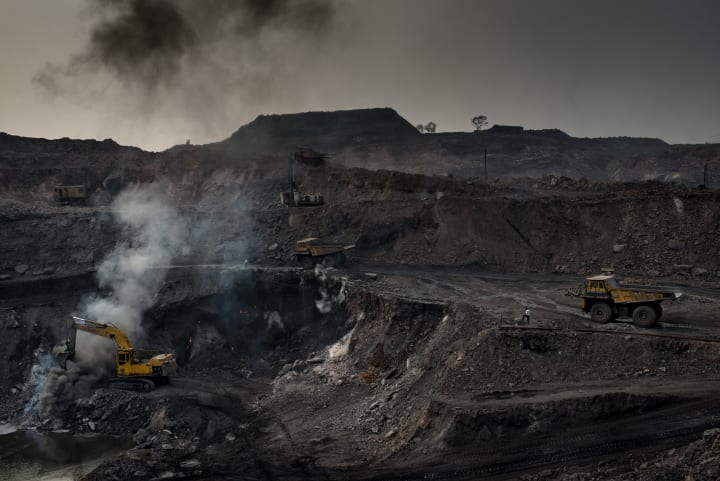
For example, Jharia coalfields, rich in coal, have been smoldering under the surface for decades, displacing thousands of families and raising grave environmental concerns. Although rich in mineral wealth, the areas of Jharia are still poor.
The mineral wealth of Jharkhand is a tool of external exploitation for the state rather than a catalyst for growth.
2. Environmental Degradation
Mining operations have seriously and irrevocably damaged Jharkhand's environment, leaving behind a legacy of deforestation, pollution, and land degradation.
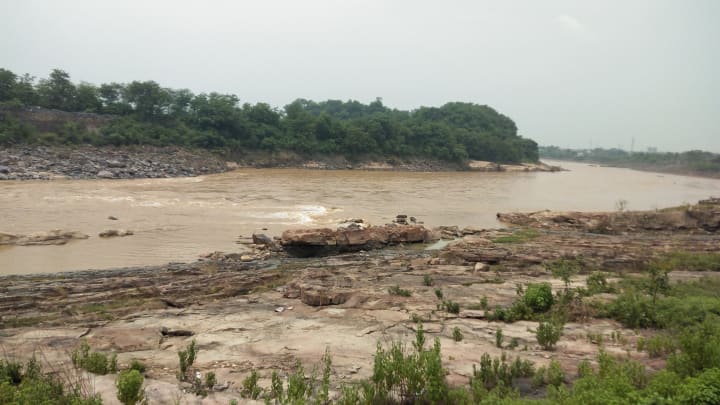
Where the Damodar River was once the state's lifeblood, heavy industrial waste generated from the mining and processing activities here has now severely contaminated it.
Meanwhile, forests that are crucial for tribal economies are disappearing alarmingly. Jharkhand loses more than 200 hectares of forest per year to mining, and not only biodiversity but the lives of people who rely on it.
While the other states enjoy the same fruits, the local community faces the brunt of environmental degradation with hardly any attempt at ecological restoration.
3. Displacement and Social Inequality
One of the most profound human costs of mining in Jharkhand is the displacement of local communities, particularly among its large tribal population. Tribals account for 26.2% of the state's population, many living in areas targeted for mining operations.
When these lands are taken over for extraction, families are uprooted without adequate compensation or alternative means of livelihood.
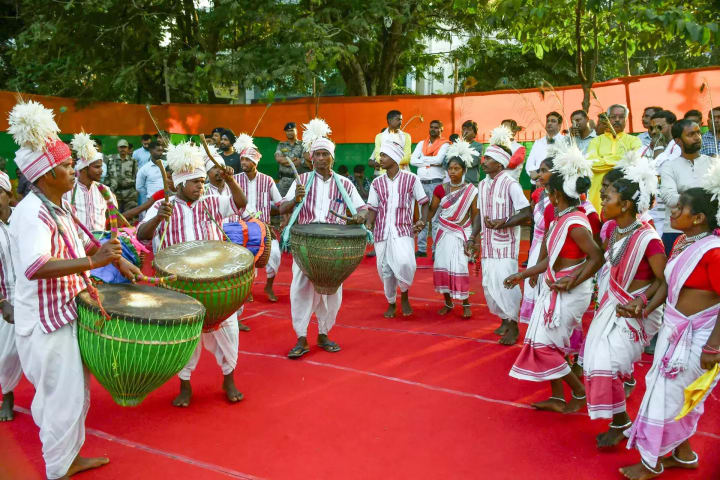
Besides their identities and traditions, people lose their homes. That makes the basis of marginalization where further poorness and vengeance may build up among the migrated populations.
4. Absence of Local Industrial Growth
Although Jharkhand supplies raw materials to India's industries, the actual manufacturing process takes place elsewhere.
The infrastructural powers of the states, where steel plants and units occur mainly in the states like Maharashtra and Gujarat, are much higher. Hence, other states benefit from all the resources of Jharkhand, while Jharkhand remains undeveloped.
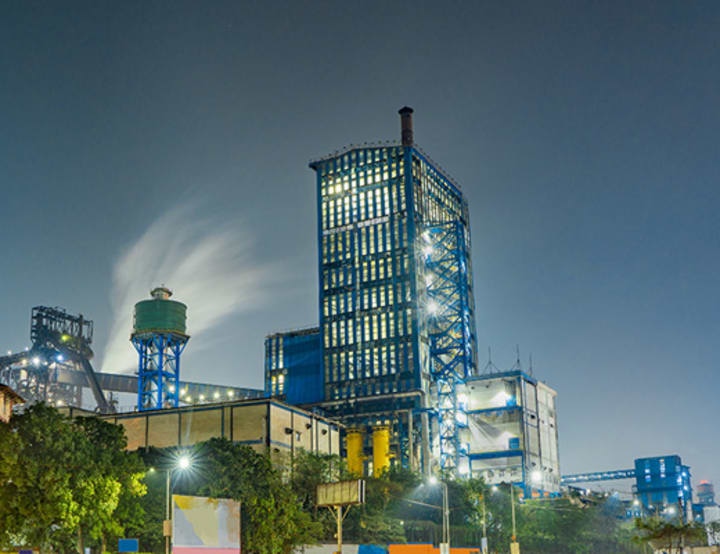
Once more, it denotes that local industrial development is deficient, which signifies that employment deficiency lies within the people of Jharkhand.
Should industries be established within the state, they could generate employment opportunities, invigorate the local economy, and play a significant role in its growth..
5. Corruption and Mismanagement
Corruption and insufficient allocation of resources further sink in in Jharkhand since while royalties and mining revenue are meant to drive developmental processes, they disappear in most cases due to issues of poor governance or, worse, corruption.
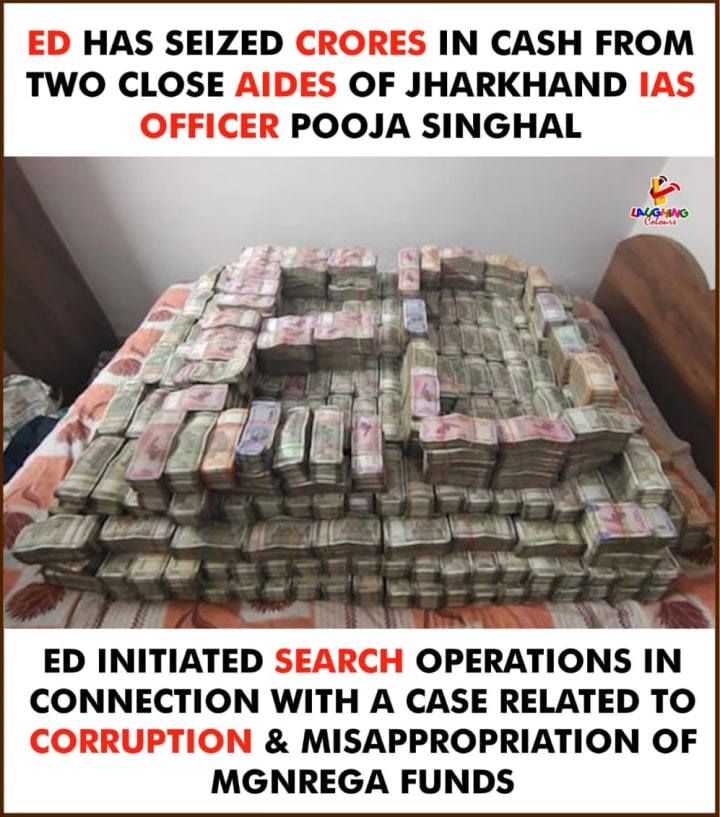
Regional condition upgrade policies are either implemented abysmally or, worse still- ignored, and thereby, the regime endorses a small section and some corporations while making most citizenry struggle for them to gain their rights to essential services.
Effective governance is necessary to break this vicious cycle, but it remains one of the state's most significant issues.
Stats That Speak Volumes
- Literacy Rate: Jharkhand’s literacy rate is 66.4%, lower than the national average of 74%.
- Healthcare: The state has just 1 government hospital bed for every 4,300 people.
- Unemployment: Jharkhand’s unemployment rate stands at 18%, significantly higher than the national average (9.2%)
The Way Forward: Turning Riches Into Prosperity
Escaping the grip of the resource paradox is definitely within reach. It requires significant shifts both in policy and perspective to achieve that. Jharkhand's riches need not be mere exploitation but should become a source of empowerment if the subsequent measures are undertaken:
1. Equitable Revenue Sharing
The revenue generated from mining must be reinvested in the state. This includes building infrastructure, improving schools and hospitals, and providing vocational training to local communities.
By allocating a fair share of profits to Jharkhand, the state can begin to address its developmental gaps.
2. Community Involvement
Local communities, especially tribals, must have a say in how their land and resources are used.
Models like community-owned mining cooperatives can ensure that the wealth generated benefits those who are most affected by mining activities.
3. Sustainable Mining Practices
Environmental damage can be minimized through sustainable mining practices.
Reforestation projects, pollution control measures, and land rehabilitation programs are essential. This would not only protect the environment but also improve the quality of life for local communities.
4. Industrial Growth Within the State
Jharkhand should incentivize industries to set up manufacturing and processing units within the state.
This would create jobs, reduce unemployment, and ensure that the state benefits from the full economic value of its resources.
5. Transparent Governance
Combating corruption and ensuring transparency in resource management is crucial. Initiatives like e-governance and independent audits can make the allocation and use of mining revenues more accountable.
Hope for the Future
The story of Jharkhand does not have to be one of perpetual exploitation. It's time to prioritize sustainable practices, engage with local communities, and ensure transparent governance. This will ensure that its abundant resources become a boon for its citizens.
Norway and Botswana are examples of countries that have proved that with resource wealth managed well, it can be good luck. Jharkhand can also take this promising route.
Imagine a Jharkhand where its mineral wealth raises its people, where the extraction of minerals pays for education, health, and infrastructure.
This is possible; it depends on the priorities that are set for the people of Jharkhand to be addressed. The path to prosperity is strewn with obstacles, but it is one Jharkhand can and must tread.
Global Examples of the Resource Paradox
Jharkhand’s story isn’t unique. Many regions worldwide face the same paradox:
- Nigeria: Despite being one of the largest oil producers, Nigeria struggles with poverty and corruption, with little reinvestment in its people.

- Congo: Rich in diamonds and minerals, the Democratic Republic of Congo remains one of the poorest countries globally due to exploitation and conflict.
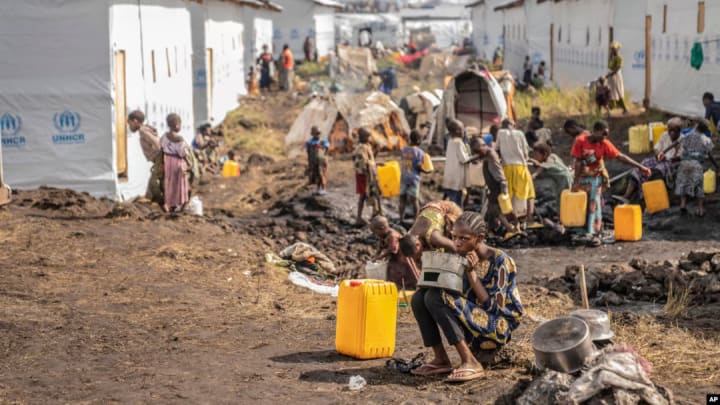
- Venezuela: Despite vast oil reserves, mismanagement and corruption have led to economic collapse.
About the Creator
Mrinal Prakash
Exploring the intersection of economics, geopolitics, and sustainability. Unpacking complex global issues, resource paradoxes, and socio-economic dynamics. Follow for insights, stories, and solutions-driven perspectives.
Keep reading
More stories from Mrinal Prakash and writers in Chapters and other communities.
Globalization: An Integrating Force in the World Economy
Globalization has become a part of everyday life, so mostly, people do not realize how many advantages they receive out of such integration today. Rather, they take it for granted that cuisines and technology now come from around the world.
By Mrinal Prakash10 months ago in Humans
PERCEIVE
I remember as a child growing up, I always look forward to night times where I could go to bed, close my eyes and imagine things. Every night was a continuation from where I left before dozing off the previous night. I imagined all kinds of things that I even created a vision board without realizing it. I imagined myself as someone from a particular family, having a certain skin tone and hair color and going to places with my parents. I remember cutting out pictures from magazines and sticking them onto one of my exercise books dedicated for that purpose. It was enjoyable doing it and I loved it! I don't know when I stopped and why I did. But that was my world of being a child, free from worries and stress, free in my mind, free to create an imaginary world where I found my excitement in. Now if you ask me to tap into this child in me and redo those things, the experience would be different. I would look forward to night times so I can get good night rest.
By Emos Sibu Poriei (Kaya)about 8 hours ago in Chapters


Comments
There are no comments for this story
Be the first to respond and start the conversation.