
The Pressure Cooker of Fame: Are K-Pop Agencies Doing Enough to Protect Their Idols?
A critical look at the demanding industry and the well-being of its stars.

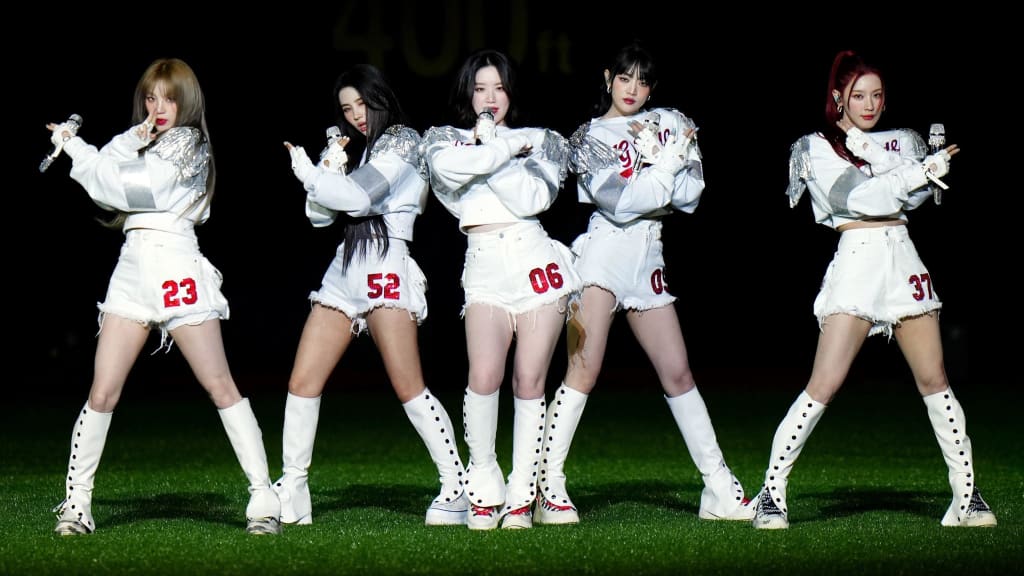
The dazzling world of K-pop, with its perfectly synchronized choreography, infectious melodies, and charismatic idols, captivates millions globally. Behind the glitz and glamour, however, lies a demanding and often unforgiving industry where young talents are molded, managed, and thrust into the intense glare of public scrutiny. The question of whether the powerful K-pop agencies, the architects of this global phenomenon, are doing enough to protect the well-being – both mental and physical – of their idols remains a critical and often troubling one.
The journey to becoming a K-pop idol is notoriously rigorous, often beginning with years of intense training from a young age. Trainees endure grueling schedules that encompass vocal and dance lessons, language acquisition, media training, and strict diet and exercise regimes. This formative period, while honing talent, can also take a significant toll on their physical and mental health, sacrificing normal childhood experiences and placing immense pressure to constantly improve and debut. The competition is fierce, with many talented individuals never making it to the final stage, leading to potential feelings of disappointment and wasted years.
Once an idol debuts, the pressure intensifies exponentially. Their lives become highly regimented, with packed schedules filled with performances, promotional activities, variety show appearances, and fan events. Sleep deprivation is often the norm, and personal time becomes a rare luxury. The constant need to maintain a perfect image, adhere to strict company guidelines, and navigate the often-invasive attention of the public and media can be incredibly taxing. The lack of privacy and the constant scrutiny can lead to significant stress and anxiety.
Mental health, in particular, has emerged as a critical concern within the K-pop industry. The immense pressure to succeed, the fear of disappointing fans and their agencies, the constant online criticism, and the isolation that can come with fame contribute to a high risk of anxiety, depression, and other mental health issues. Tragically, the industry has witnessed instances of idols publicly acknowledging their struggles and, in some devastating cases, succumbing to the immense pressure. This raises serious questions about the support systems and mental health resources provided by agencies. Are idols given adequate access to qualified professionals? Is there a culture within agencies that encourages seeking help without fear of stigma or career repercussions?
Physical health is another area of concern. The demanding schedules, coupled with intense choreography and often restrictive diets enforced to maintain a certain aesthetic, can lead to exhaustion, injuries, and nutritional deficiencies. The pressure to constantly perform at peak levels, even when unwell, can further exacerbate these issues. While agencies invest in training facilities and medical check-ups, the fundamental structure of the industry often prioritizes output and performance over the long-term well-being of the artists.
Furthermore, the power dynamics between idols and their agencies can be inherently unbalanced. Contracts are often lengthy and can contain clauses that heavily favor the company. Idols, especially in their early careers, may feel limited in their ability to voice concerns or negotiate for better working conditions. The fear of jeopardizing their careers can silence those who are struggling. While recent years have seen some improvements in contract terms and a greater awareness of idol rights, the fundamental power imbalance often persists.
The rise of social media, while providing a platform for idols to connect with fans, also exposes them to relentless online scrutiny and negativity. Cyberbullying and malicious comments can have a devastating impact on an idol's mental health and self-esteem. The responsibility for monitoring and addressing online harassment often falls on the idols themselves or their already overburdened staff. Agencies need to take a more proactive role in protecting their artists from online toxicity and providing them with the tools and support to navigate the digital landscape.
There are undoubtedly agencies that are making genuine efforts to prioritize the well-being of their artists, investing in mental health support, offering more flexible schedules, and fostering a more supportive environment. However, systemic issues within the industry persist. A fundamental shift in priorities is needed, one that places the long-term health and happiness of idols on par with commercial success. This requires greater transparency, more equitable contracts, a stronger emphasis on mental and physical health resources, and a cultural change within agencies that encourages open communication and prioritizes the human aspect of these incredibly talented individuals.
The global popularity of K-pop comes with a responsibility. Agencies, as the gatekeepers and managers of these stars, have a crucial role to play in ensuring their well-being is not sacrificed at the altar of fame. A critical examination of the industry's practices and a genuine commitment to protecting its idols are essential for the long-term sustainability and ethical growth of the K-pop phenomenon. The pressure cooker of fame can either forge resilient artists or break them; the responsibility lies with the agencies to ensure the former.
About the Creator
Keep reading
More stories from About Korea and writers in Chapters and other communities.
The Latest Idol Dating Rumors That Have the Entire K-Pop Fandom Buzzing
The K-pop world, a vibrant ecosystem fueled by music, visuals, and the intense devotion of its fandoms, is perpetually abuzz with speculation. Among the most electrifying topics that can send shockwaves through this community are dating rumors involving its beloved idols. The mere whisper of a potential romantic connection between two popular figures can ignite fervent discussions, dissecting every alleged clue and sparking a spectrum of reactions, from enthusiastic support to outright denial. Currently, a new wave of rumors has gripped the K-pop sphere, centering around two prominent idols – let's call them Idol A, a charismatic main vocalist from a globally successful group, and Idol B, a captivating visual member of a rising star act. The alleged connection? Unexpected, intriguing, and now the subject of intense scrutiny.
By About Korea8 months ago in Humans
Search for a Sister, Chapter Two
4-H-N heard not a word about her secret mission around Headquarters over the following days, so had to conclude either Mini-Flash Phytolith hadn’t been listening in after all, or she’d misjudged him. She hoped it was the latter, as she wanted the pair of them to get on, even if he wasn’t going out of his way to make it easy for her.
By Doc Sherwood20 days ago in Chapters
The Devil's Cut
“Comrade, finally you’re awake.” The voice was smooth, sensual. A flickering incandescent bar was all that lit the white, sterile room. All Vladimir remembered was everything going black. He tried to move his arms and found them strapped to the gurney.
By Matthew J. Fromm6 days ago in Fiction



Comments
There are no comments for this story
Be the first to respond and start the conversation.