
The Last Moonflower: Esmeralda’s Forgotten Tomb
When the bells stopped ringing, Paris started to rot.
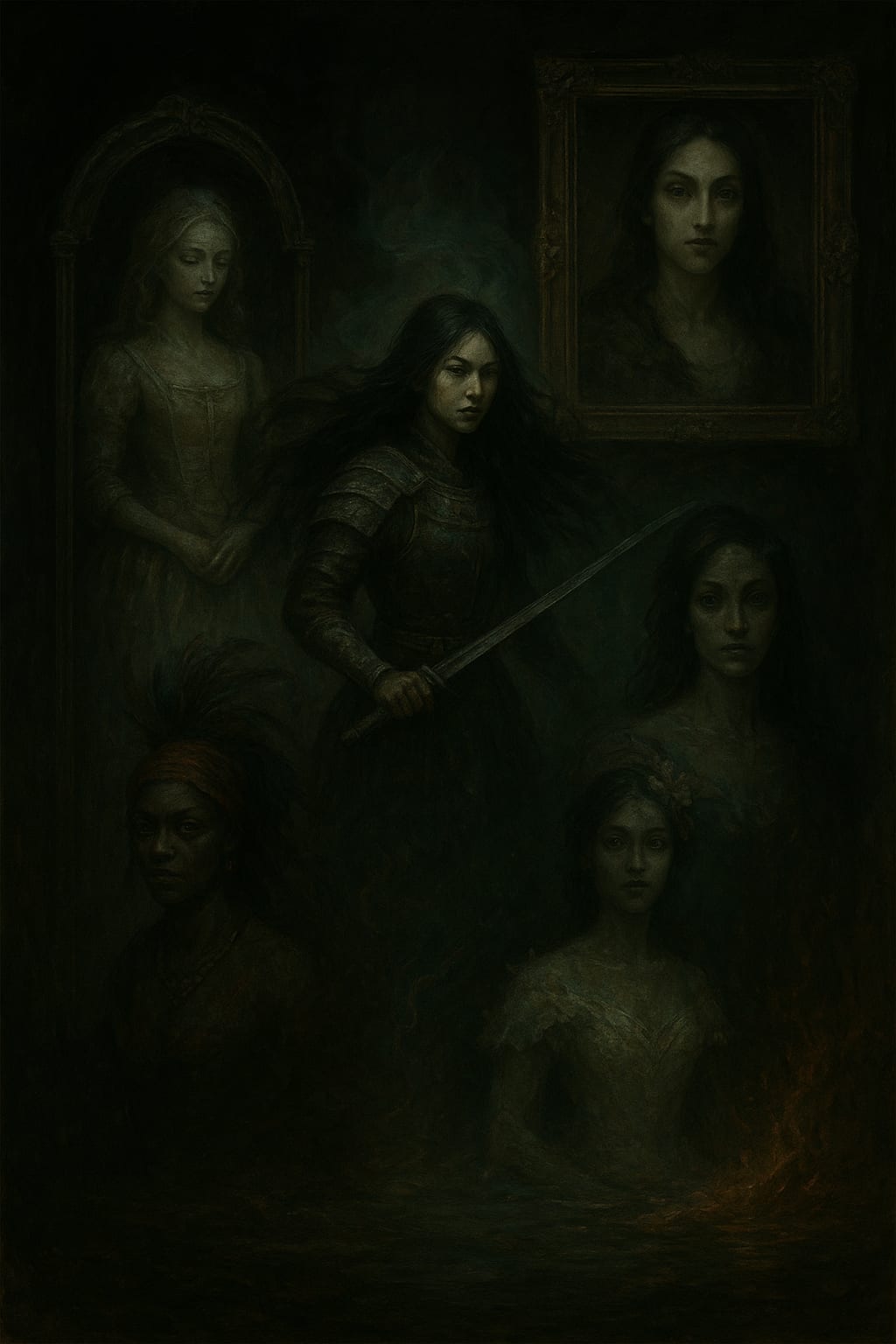
In 1485, after the execution of a Romani dancer named Esmeralda, the bells of Notre-Dame rang by themselves for three nights. On the third night, the bellringer vanished.
Centuries later, during renovations in 1963, workers uncovered a small crypt beneath the cathedral’s floor. Inside lay two entwined skeletons: one female with shattered vertebrae, the other grotesquely deformed.
Near them grew a single dried flower — a moonflower, extinct in France since the 1500s.
DNA testing revealed something impossible: both skeletons shared identical mitochondrial markers, as if they were the same person.
Some believe Esmeralda and Quasimodo were never lovers, but two halves of a single soul cursed to live apart — beauty and monstrosity split by divine cruelty.
Every April, the bells of Notre-Dame chime thirteen times instead of twelve. No one programs them to.
About the Creator
Keep reading
More stories from GoldenSpeech and writers in Chapters and other communities.
The Bride of Glass: The Real Cinderella Experiment
France, 1703 — a scientist named Étienne du Montfort obsessed over the idea that human bones could be replaced with crystal. His muse was a servant girl named Lucienne, rumored to have “feet too perfect to touch dirt.”
By GoldenSpeech3 months ago in Chapters
Fair Exchange, No Robberies
Dark Memoirs - Index There are at least two kinds of people in the world: those who write this half-arsed kind of intro to a story that looks to separate the rare and the norm, and those who realise it's an overused framing device and don't.
By Paul Stewart11 days ago in Chapters
404: Reality not found
*This chapter is a continuation of the story 404: Reality Not Found. Our alliance, ZHSq, was steadily growing. Among the new members, DanSun quickly became an integral part of our crew. She fit perfectly into our circle, her activity and friendliness elevating the energy in the group. Together with EHHHSAN, I kept a close eye on our former alliance, the Dark Lords. We had made a silent vow long ago: One day, we will burn them down.
By Piotr Nowak7 days ago in Chapters
Do You have a Support Network?
Life is harder when you’re on your own. Human beings are social creatures, and we usually feel better when we have support from a strong social network around us. For most people, it’s our families that hold us together like glue.
By Elizabeth Woodsabout 3 hours ago in Psyche


Comments
There are no comments for this story
Be the first to respond and start the conversation.