
The History of the Cigarette
From Ancient Rituals to Modern Trends


The cigarette, a ubiquitous product in modern times, has a long and complex history that spans cultures, continents, and centuries. From its origins as a sacred practice to its global commercialization, the story of the cigarette reflects shifts in societal attitudes and economic forces.
Early Beginnings: Sacred Smoke
The history of smoking can be traced back to ancient civilizations. Indigenous peoples in the Americas used tobacco for spiritual and medicinal purposes. Tobacco leaves were often smoked in pipes or rolled into rudimentary forms resembling cigarettes, as part of rituals to connect with the divine or to heal ailments.
When Europeans arrived in the Americas during the late 15th century, they encountered tobacco for the first time. Explorers like Christopher Columbus brought tobacco back to Europe, where its use quickly spread, often as a luxury item among the elite.
The Rise of Cigarettes in Europe
By the 17th and 18th centuries, smoking became more widespread in Europe. However, the modern cigarette — finely chopped tobacco rolled in paper — did not emerge until the 19th century. The invention of paper-rolled cigarettes is often attributed to Spanish workers who rolled leftover scraps of tobacco in paper, creating a cheaper alternative to cigars.
The industrial revolution played a pivotal role in the cigarette’s evolution. In 1881, American inventor James Bonsack developed a machine that could mass-produce cigarettes, drastically reducing their cost and making them accessible to the masses.
Cigarettes in the 20th Century: A Cultural Phenomenon
The 20th century saw cigarettes become a global phenomenon, fueled by aggressive marketing campaigns and cultural shifts. During World War I and World War II, cigarettes were included in soldiers’ rations, fostering their popularity. Smoking was often glamorized in Hollywood films, with actors and actresses portraying it as a symbol of sophistication and rebellion.
Brands like Marlboro and Camel became household names, using advertising to associate cigarettes with masculinity, adventure, and freedom. By the mid-20th century, smoking rates had skyrocketed worldwide.
The Health Crisis and Anti-Smoking Movements
The 1950s marked a turning point in the history of cigarettes, as scientific studies began linking smoking to serious health risks, including lung cancer, heart disease, and respiratory problems. The 1964 U.S. Surgeon General’s Report confirmed these dangers, leading to a wave of anti-smoking campaigns and regulations.
Governments around the world began implementing measures to curb smoking, such as banning cigarette advertisements, requiring warning labels, and increasing taxes on tobacco products. Public awareness campaigns highlighted the dangers of smoking, resulting in a gradual decline in smoking rates in many countries.
The Emergence of Alternatives
In recent years, the cigarette industry has faced new challenges with the rise of alternative products such as e-cigarettes and vapes. Marketed as less harmful than traditional cigarettes, these devices have gained popularity, especially among younger generations. However, concerns about their long-term health effects and appeal to minors have sparked ongoing debates and regulatory efforts.
The Global Perspective
Despite declining smoking rates in some parts of the world, cigarettes remain a significant public health issue, particularly in low- and middle-income countries. Tobacco-related illnesses account for millions of deaths annually, highlighting the need for continued efforts to combat smoking and promote healthier lifestyles.
The history of the cigarette is a story of innovation, culture, and controversy. From its sacred origins to its commercialization and eventual scrutiny, the cigarette has left an indelible mark on human history. As society continues to grapple with the consequences of smoking, the lessons of the past serve as a reminder of the need for vigilance and informed choices about health and well-being.
About the Creator
Keep reading
More stories from Gustavo Woltmann and writers in Chapters and other communities.
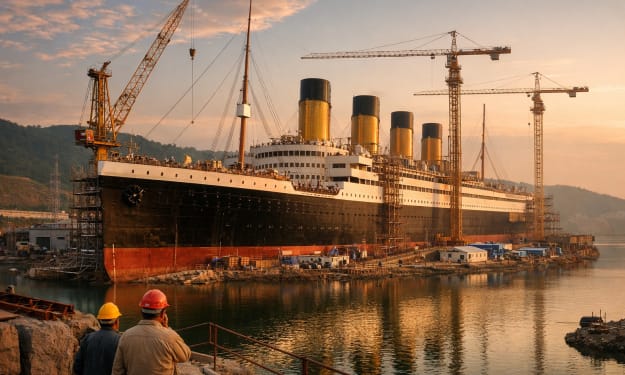
China Begins Construction of a Full-Scale Replica of the Titanic
More than a century after the tragic sinking of the famous ocean liner RMS Titanic, the story of the ship continues to capture the imagination of people around the world. In an ambitious and unusual project, China has begun constructing a full-scale replica of the Titanic, aiming to recreate the ship’s appearance and atmosphere in remarkable detail.
By Irshad Abbasi about 3 hours ago in Chapters



Comments