
The Health Benefits and Risks of Edible Oils and Fats
Edible Oils and Fats: Your Path to Better Health

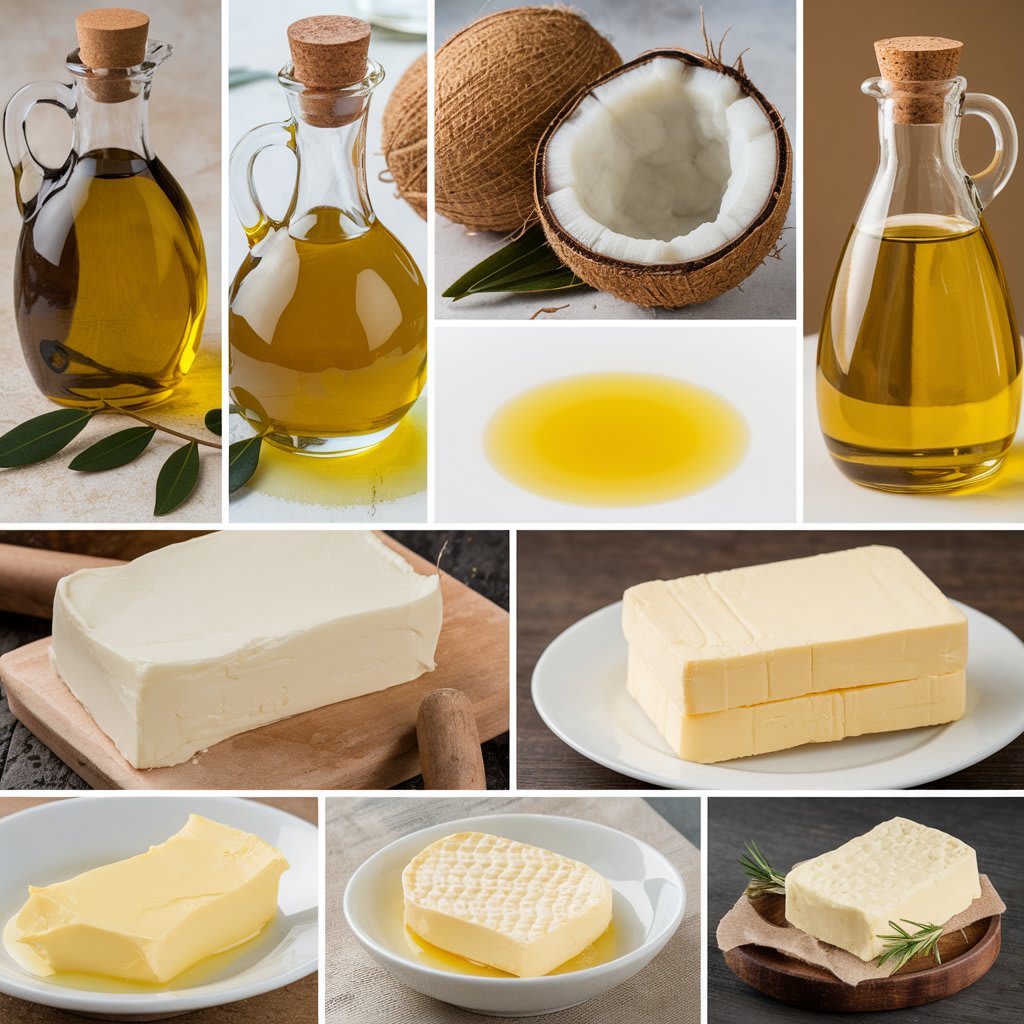
Edible oils and fats are essential components of our daily diets, providing not only energy but also a range of health benefits. These oils and fats are derived from various plant and animal sources and are rich in bioactive compounds such as polyunsaturated fatty acids, monounsaturated fatty acids, polyphenols, flavonoids, phytosterols, vitamins, and inorganic compounds. Understanding the health benefits and potential risks associated with these edible oils and fats is crucial for making informed dietary choices.
The Health Benefits of Edible Oils and Fats
Rich in Essential Fatty Acids
Edible oils and fats are rich in essential fatty acids, which are vital for maintaining overall health. Polyunsaturated fatty acids (PUFAs) and monounsaturated fatty acids (MUFAs) are particularly beneficial. PUFAs, such as omega-3 and omega-6 fatty acids, play a crucial role in reducing inflammation, supporting heart health, and promoting brain function. Omega-3 fatty acids, found in fish oils and certain plant oils like flaxseed and walnut oil, are known for their anti-inflammatory properties and their ability to lower the risk of heart disease. Omega-6 fatty acids, found in vegetable oils like sunflower and corn oil, are essential for skin health and immune function.
MUFAs, predominantly found in olive oil, avocado oil, and nuts, are known for their cardioprotective effects. They help lower bad cholesterol (LDL) levels while maintaining good cholesterol (HDL) levels, thereby reducing the risk of heart disease. Additionally, MUFAs have been linked to improved insulin sensitivity and better blood sugar control, making them beneficial for individuals with diabetes.
Antioxidant and Anti-Inflammatory Properties
Many edible oils and fats contain potent antioxidants and anti-inflammatory compounds. Polyphenols and flavonoids, found in oils like olive oil and sesame oil, are powerful antioxidants that help neutralize harmful free radicals in the body. These compounds protect cells from oxidative damage, reducing the risk of chronic diseases such as cancer and heart disease. For instance, olive oil is rich in oleuropein and hydroxytyrosol, which have been shown to have strong antioxidant and anti-inflammatory effects.
Phytosterols, another group of bioactive compounds found in plant oils, have been shown to lower cholesterol levels by inhibiting cholesterol absorption in the intestines. This can help reduce the risk of heart disease and stroke. Additionally, phytosterols have anti-inflammatory properties and may play a role in preventing certain types of cancer.
Vitamins and Minerals
Edible oils and fats are also a good source of essential vitamins and minerals. Vitamins A, D, E, and K are fat-soluble vitamins that are crucial for various bodily functions. Vitamin E, found in oils like wheat germ oil and sunflower oil, is a potent antioxidant that protects cells from damage. Vitamin K, found in oils like soybean oil and canola oil, is essential for blood clotting and bone health. Vitamin A, found in oils like cod liver oil, is important for vision, immune function, and cell growth.
Minerals such as calcium, magnesium, and potassium are also present in edible oils and fats, albeit in smaller quantities. These minerals are essential for bone health, muscle function, and nerve transmission. For example, sesame oil is a good source of calcium, which is crucial for maintaining strong bones and teeth.
The Potential Risks of Edible Oils and Fats
Saturated Fats and Trans Fats
While edible oils and fats offer numerous health benefits, it is important to be aware of their potential risks. Saturated fats, found in animal fats like butter and lard, as well as in some plant oils like coconut oil and palm oil, have been linked to increased cholesterol levels and a higher risk of heart disease. The American Heart Association recommends limiting saturated fat intake to no more than 5-6% of total daily calories.
Trans fats, which are formed during the hydrogenation process of vegetable oils, are particularly harmful. They raise bad cholesterol (LDL) levels and lower good cholesterol (HDL) levels, increasing the risk of heart disease and stroke. Trans fats are found in many processed foods, including margarine, baked goods, and fried foods. It is recommended to avoid trans fats altogether and opt for healthier alternatives like olive oil and avocado oil.
Adulteration and Quality Concerns
Another concern with edible oils and fats is adulteration. Due to their high market value, edible oils are often adulterated with cheaper, inferior-quality oils or toxic substances. This not only compromises the nutritional value of the oil but also poses serious health risks. For example, adulterated oils may contain harmful chemicals like argemone oil, which can cause severe health issues, including blindness and death.
To ensure the quality and safety of edible oils and fats, it is important to choose reputable brands and check for certifications like the USDA Organic seal or the Non-GMO Project Verified seal. Additionally, opting for cold-pressed or extra virgin oils can help ensure that the oil is of high quality and has not been subjected to harsh chemical treatments.
Conclusion
Edible oils and fats play a crucial role in our diets, providing essential nutrients and health benefits. However, it is important to choose the right types of oils and fats and consume them in moderation. Opting for oils rich in PUFAs and MUFAs, such as olive oil, avocado oil, and fish oils, can provide numerous health benefits, including reduced inflammation, improved heart health, and better blood sugar control. On the other hand, limiting the intake of saturated fats and avoiding trans fats altogether can help reduce the risk of heart disease and other chronic conditions.
By understanding the health benefits and potential risks of edible oils and fats, we can make informed dietary choices that support our overall health and well-being. Whether you are looking to improve your heart health, reduce inflammation, or simply maintain a balanced diet, choosing the right edible oils and fats can make a significant difference. So, the next time you reach for that bottle of oil, remember to choose wisely and enjoy the many benefits that edible oils and fats have to offer.
About the Creator
Keep reading
More stories from John William and writers in Chapters and other communities.
Indigenous Concepts of Health and Healing in Andean Populations: A Comprehensive Exploration
In the heart of South America, nestled among the towering peaks of the Andes, lies a rich tapestry of indigenous cultures that have long held unique concepts of health and healing. These traditions, deeply rooted in ancient beliefs and practices, offer a fascinating glimpse into how communities have adapted and preserved their cultural identity amidst centuries of change. This article delves into the intricate world of Andean indigenous health practices, exploring their historical context, contemporary relevance, and the ongoing efforts to integrate these traditions with modern medicine.
By John Williamabout a year ago in Chapters
Fair Exchange, No Robberies
Dark Memoirs - Index There are at least two kinds of people in the world: those who write this half-arsed kind of intro to a story that looks to separate the rare and the norm, and those who realise it's an overused framing device and don't.
By Paul Stewart15 days ago in Chapters
Hunny
Chapter 3: She Packed Her Pride and a Little Bit of Fire San Francisco, 1950 Joining the Naval Reserves had felt, to E.C., like stepping into a shelter—steady pay, a uniform that fit like purpose, a brotherhood that didn’t ask too many questions. But Truman’s orders shattered that illusion like glass under a boot heel. North Korea loomed like a dark cloud on the horizon, and suddenly duty called with salt on its breath and ocean in its veins. This time, it wasn’t the Army—it was the Navy. A whole different beast. A whole different war.
By Lizz Chambersa day ago in Chapters


Comments
There are no comments for this story
Be the first to respond and start the conversation.