
Indigenous Concepts of Health and Healing in Andean Populations: A Comprehensive Exploration
Ancient Wisdom Meets Modern Medicine: The Enduring Relevance of Andean Healing Practices

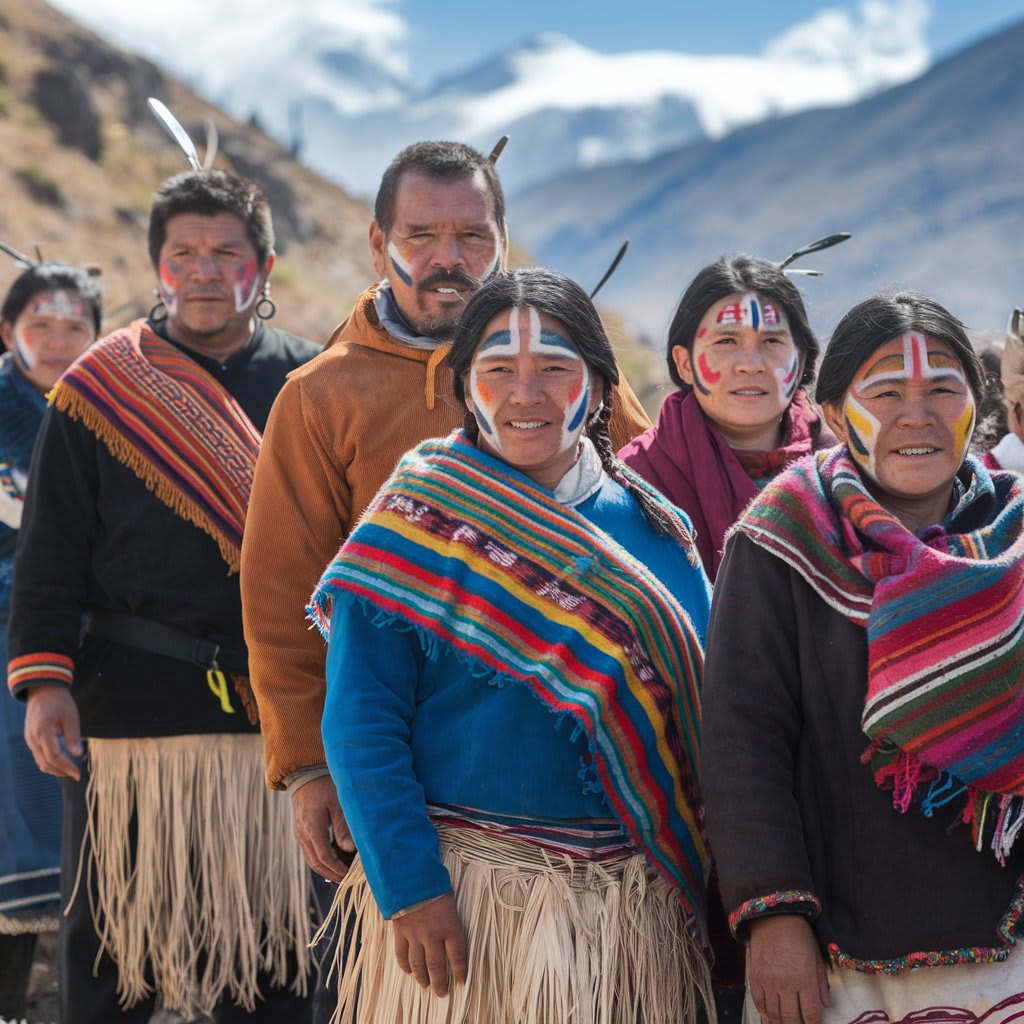
In the heart of South America, nestled among the towering peaks of the Andes, lies a rich tapestry of indigenous cultures that have long held unique concepts of health and healing. These traditions, deeply rooted in ancient beliefs and practices, offer a fascinating glimpse into how communities have adapted and preserved their cultural identity amidst centuries of change. This article delves into the intricate world of Andean indigenous health practices, exploring their historical context, contemporary relevance, and the ongoing efforts to integrate these traditions with modern medicine.
The Historical Context of Andean Healing Practices
The Andean region, spanning modern-day countries like Ecuador, Peru, and Bolivia, has been home to numerous indigenous communities for millennia. These communities, including the Inca, Quechua, and Aymara, developed sophisticated systems of medicine that were intricately linked to their cosmological beliefs and understanding of the natural world. Central to these systems was the concept of balance and harmony between the individual, the community, and the environment.
Ancestral Beliefs and Practices
Ancestral Andean beliefs about health and healing were deeply intertwined with their spiritual and cosmological worldviews. The natural landscape, particularly mountains, rivers, and other geographical features, was seen as imbued with spiritual significance. These sacred sites, known as "wak'as," were believed to be the dwelling places of powerful spirits that could influence health and well-being. Traditional healers, often referred to as "yachaks" or "curanderos," played a crucial role in mediating between the human and spiritual realms, using a combination of rituals, herbal remedies, and spiritual practices to diagnose and treat illnesses.
One of the most striking aspects of Andean traditional medicine is the holistic approach it takes to health. Illness was not seen merely as a physical ailment but as a disruption of the balance between the individual and their environment. This balance encompassed not just the physical body but also the emotional, spiritual, and social dimensions of a person's life. As a result, treatments often involved not only herbal remedies but also rituals, offerings, and community support to restore harmony.
The Impact of Colonialism
The arrival of Spanish colonizers in the 16th century brought significant changes to the Andean region. The imposition of Catholicism and the suppression of indigenous religious practices led to a complex blending of traditional and European beliefs. Despite these challenges, many indigenous healing practices persisted, often adapting and incorporating elements of Christian rituals and symbols. This syncretism allowed traditional medicine to survive and evolve, albeit in altered forms.
Contemporary Relevance and Integration with Modern Medicine
In the modern world, indigenous concepts of health and healing in Andean populations continue to play a vital role in the lives of many communities. These traditions are not merely relics of the past but living practices that adapt and evolve in response to contemporary challenges. The integration of traditional medicine with modern biomedical practices is a growing area of interest, both for its potential to improve healthcare outcomes and for its role in preserving cultural heritage.
The Role of Traditional Healers
Traditional healers remain an essential part of healthcare in many Andean communities. They are often the first point of contact for individuals seeking treatment, particularly in rural areas where access to modern healthcare facilities may be limited. These healers draw on a rich repertoire of knowledge, including the use of medicinal plants, spiritual rituals, and community support networks, to address a wide range of health issues. Their practices are deeply rooted in the community's cultural and spiritual beliefs, providing a sense of continuity and identity that is often lacking in modern healthcare settings.
Integration and Collaboration
Efforts to integrate traditional Andean medicine with modern biomedical practices are gaining momentum. This integration is seen as a way to provide more holistic and culturally sensitive healthcare, particularly for indigenous populations. Collaborative projects between traditional healers and modern healthcare providers are exploring ways to combine the strengths of both systems. For example, some hospitals in the Andean region now offer traditional healing practices alongside conventional medical treatments, recognizing the value of a holistic approach to health.
Challenges and Opportunities
Despite the potential benefits, integrating traditional and modern medicine is not without challenges. One of the primary obstacles is the lack of mutual understanding and respect between practitioners of the two systems. Traditional healers may view modern medicine as overly focused on the physical aspects of health, while modern healthcare providers may dismiss traditional practices as unscientific or ineffective. Overcoming these barriers requires open dialogue, mutual respect, and a willingness to learn from each other.
Another challenge is the need for standardization and regulation of traditional healing practices. While traditional medicine has a long history of effectiveness, there is a need for rigorous research and documentation to ensure safety and efficacy. This includes the identification and standardization of medicinal plants, the development of protocols for spiritual rituals, and the training of traditional healers in modern medical concepts.
Conclusion
Indigenous concepts of health and healing in Andean populations offer a rich and complex tapestry of beliefs and practices that have evolved over centuries. These traditions, deeply rooted in the cultural and spiritual fabric of Andean communities, continue to play a vital role in the lives of many people. As efforts to integrate traditional medicine with modern biomedical practices gain momentum, there is an opportunity to create more holistic and culturally sensitive healthcare systems. By fostering collaboration and mutual respect between traditional healers and modern healthcare providers, we can harness the strengths of both systems to improve healthcare outcomes and preserve cultural heritage.
In conclusion, the exploration of indigenous concepts of health and healing in Andean populations reveals a world of ancient wisdom and contemporary relevance. These traditions, shaped by centuries of adaptation and resilience, offer valuable insights into the interconnectedness of health, culture, and the natural world. As we continue to navigate the challenges of a changing world, the integration of traditional and modern medicine holds the promise of more holistic and culturally sensitive healthcare, benefiting both indigenous communities and the broader society.
About the Creator
Keep reading
More stories from John William and writers in Chapters and other communities.
Quick Wellness: Integrating Exercise into Your Busy Lifestyle
In today's fast-paced world, finding time for exercise can seem like an impossible task. Between juggling work, family, and personal commitments, the idea of fitting in a workout routine often feels overwhelming. However, integrating exercise into your busy schedule is not only possible but also essential for maintaining your health and well-being. This comprehensive guide will walk you through the importance of exercise, how to assess your fitness level, and practical strategies to incorporate physical activity into your daily life, even when you're constantly on the go.
By John Williamabout a year ago in Chapters
Fair Exchange, No Robberies
Dark Memoirs - Index There are at least two kinds of people in the world: those who write this half-arsed kind of intro to a story that looks to separate the rare and the norm, and those who realise it's an overused framing device and don't.
By Paul Stewart14 days ago in Chapters


Comments
There are no comments for this story
Be the first to respond and start the conversation.