
The harmonious Symphony
Exploring the Profound Connection between Song and the brain

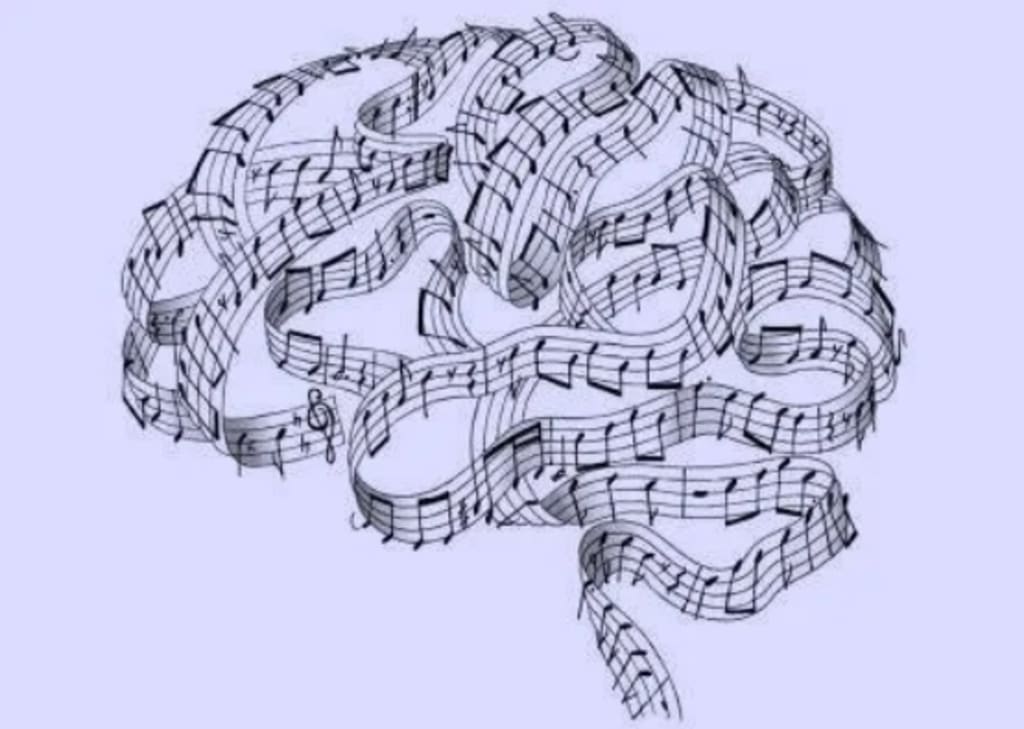
Music has an incredible power over our minds, evoking emotions, memories, and even influencing our cognitive functions. Whether it's a song that takes you back to a cherished moment or a melody that instantly lifts your spirits, the relationship between music and the brain is truly fascinating.
How Music Affects the Brain
Listening to music engages multiple areas of the brain, including those responsible for processing sound, emotions, and even movement. Neuroscientists have found that music can stimulate the release of dopamine, the "feel-good" neurotransmitter, leading to feelings of pleasure and motivation.
Some key ways in which music impacts the brain include:
1. Memory Boost: Certain songs can trigger vivid memories, which is why music therapy is often used to help individuals with Alzheimer’s or dementia.
2. Mood Regulation: Upbeat songs can elevate mood, while slower melodies can have a calming effect and reduce stress.
3. Enhanced Creativity: Many artists and writers use music as a tool to inspire creativity and improve focus.
4. Improved Learning and Cognition: Studies show that learning with music, such as through songs or rhythm-based techniques, can enhance retention and comprehension.
The Science of Musical Preferences
Why do we gravitate toward certain types of music? Research suggests that our musical preferences are shaped by a combination of genetics, personal experiences, and cultural influences. Additionally, music preference can be linked to personality traits—some studies suggest that those who enjoy complex musical compositions tend to be more open to new experiences.
The Therapeutic Power of Music
Music therapy is an established field that uses music to improve mental and physical health. It is used in various settings, such as hospitals, schools, and rehabilitation centers, to help individuals manage pain, reduce anxiety, and even recover from neurological disorders.
The Universal Language
One of the most amazing aspects of music is its universality. Regardless of language or cultural background, music has the power to unite people, convey emotions, and tell stories. From ancient tribal rhythms to modern-day pop anthems, music continues to be a profound force in human connection.
Music is more than just entertainment—it’s a deeply ingrained part of our human experience that shapes emotions, thoughts, and even our brain functions. So the next time you put on your favorite song, take a moment to appreciate the incredible impact it has on your mind and soul.
About the Creator
Keep reading
More stories from Gus Woltmann and writers in Chapters and other communities.
The Cold War
The Cold War wasn’t your typical war—it was a tense, decades-long standoff between two global superpowers: the United States and the Soviet Union. Unlike traditional wars fought on battlefields, this one played out through espionage, propaganda, nuclear threats, and ideological clashes. For nearly half a century, the world lived under the shadow of a conflict that could have turned into World War III at any moment.
By Gus Woltmannabout a year ago in Chapters
Ray Kroc: The Relentless Visionary Who Built a Global Empire One Hamburger at a Time
Today we look back at a man who proved that ambition has no age limit—someone who didn’t discover his life’s defining purpose until he was well into his fifties. His name was Ray Kroc, and his journey from a restless teenager to the architect of the world’s most successful fast‑food corporation is one of the most remarkable business stories of the 20th century.
By Haroon Pasha3 days ago in Chapters



Comments