
The Geopolitical Landscape of the Ukraine Crisis
Analyzing Recent Developments and Future Scenarios

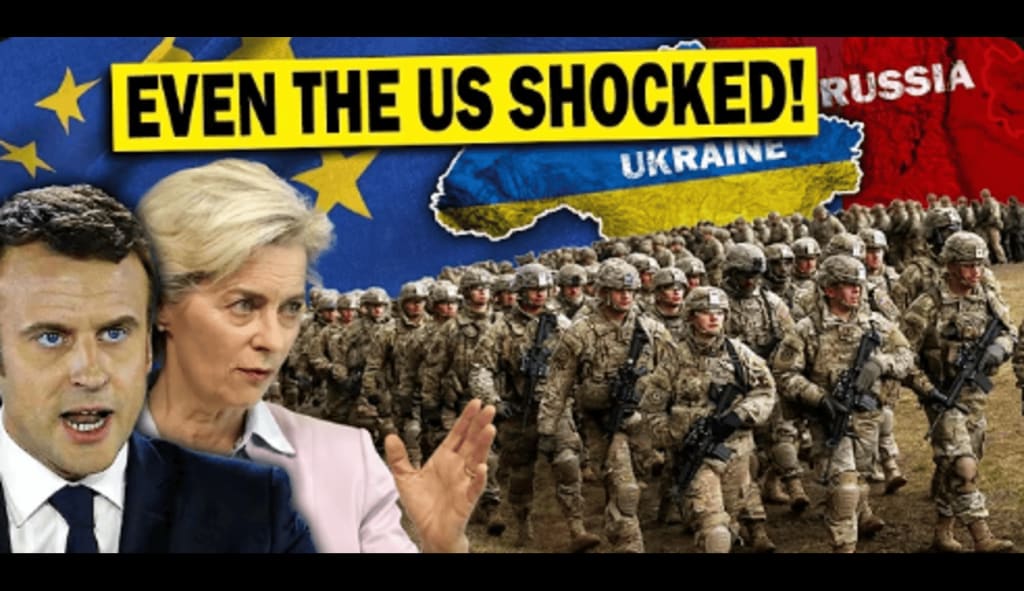
The ongoing conflict in Ukraine remains one of the most pressing international issues of our time, with far-reaching implications for global security and geopolitics. As various nations navigate their stances, the dynamics appear to be shifting, especially with Donald Trump’s recent engagement with Russia and ongoing peace talks. This article delves into the recent developments in the Ukraine crisis, the potential roles of NATO and European forces, and what the future might hold for the region.
The Current State of the Conflict
In recent months, signs have emerged indicating that the war in Ukraine might be approaching a resolution. The new U.S. administration's push for a peace plan has sparked diverse reactions from Washington, Kyiv, and Moscow. While Ukraine expresses a desire for justice after significant loss, Russia maintains its claim over the territories it has occupied.
Ukrainians continue to emphasize that, although they desire peace, the terms must reflect justice and acknowledgment of their losses. The stakes are particularly high as President Zelensky has called for a robust peacekeeping force to ensure stability and deter Putin's ambitions.
Peacekeeping Forces: Who Will Step In?
President Zelensky's call for a 100,000-personnel peacekeeping force signals a serious commitment to safeguarding Ukrainian sovereignty. Recent discussions among European leaders have led to proposals for a European-led peacekeeping unit to oversee a potential demarcation between Ukrainian and Russian forces if a ceasefire can be brokered.
Possible Scenarios for Peacekeeping Troops
Three main scenarios for deploying peacekeeping forces have emerged:
British Troops Along the Border: Deploying British troops to patrol the Ukraine-Russia border using aerial support and armored vehicles to ensure no violations of a ceasefire occur.
A Defensive Cordon Around Kyiv: Though less likely, this would consist of a significant troop presence surrounding Kyiv to protect the capital from further incursions.
Training Programs for Ukrainian Troops: Accelerating the training of Ukrainian forces within Ukraine to bolster defense against potential future threats.
The Role of NATO and European Alliances
As the situation evolves, NATO countries are considering their positions on troop deployments. With calls from the UK, Germany, and France for increased military presence, the concept of a unified European response is gaining traction. The proposed force could range from 50,000 to 100,000 troops, demonstrating significant military intent to deter Russian aggression.
However, the realization of this force hinges on several factors:
Political Willingness: Are European nations ready to commit to such a substantial military presence?
Logistical Challenges: The feasibility of deploying and sustaining such a force in a politically charged and potentially dangerous environment.
The Case for Strengthened Military Spending
In light of these developments, several European countries are reviewing their defense budgets. For instance, the UK aims to increase its defense spending to 2.5% of GDP amid growing threats from Russia. Similarly, Latvia has reintroduced conscription given the heightened perception of risk.
Countries like Finland and Norway are enhancing their military readiness, relying on a model that combines professional armed forces with a large reserve of trained civilians ready to be mobilized in emergencies. Finland, in particular, boasts an impressive capability of mobilizing 1 million reservists swiftly, reflecting a historically ingrained readiness against Russian threats.
The Influence of U.S. Policy
Trump's new administration appears focused on de-escalating tensions. Reports suggest a strategy that could involve freezing the conflict by maintaining the status quo with Russia holding onto the territory it occupies, while Ukraine would agree to delay its NATO ambitions for a significant time.
This proposal underscores a delicate balance: protecting Ukraine's sovereignty while negotiating terms that might provide Russia a foothold—a highly contentious stance that carries risks for Ukraine’s long-term security.
Diplomatic Dynamics
The changing dynamics in U.S.-Russia relations have led to a complex chess game, as both parties weigh their strategic options. The expected meeting at the Munich Security Conference is poised to be a groundbreaking engagement between Ukrainian officials and the new U.S. administration, presenting an opportunity for dialogue amidst rising tensions.
The Broader European Security Context
Germany, facing its own security challenges, is also mobilizing its military capacities. Plans are in motion to allow for rapid military movements across the country to support NATO operations. This bolstering of military readiness occurs simultaneously with heightened vigilance surrounding critical infrastructure and civilian preparedness.
Addressing Human Costs
While geopolitical strategies unfold, the human cost of the conflict is a tragic reality. Civilians continue to suffer amid relentless warfare, and the urgency for peace is palpable. As NATO and its allies refine their approaches, the humanitarian situation remains paramount—echoing the need for peace that must also be just.
Conclusion
The geopolitical landscape surrounding the Ukraine crisis is fraught with complexity and uncertainty. As nations strategize their next moves, the mixed signals from the U.S. and the growing assertion of European military capabilities may shape the outcome of future negotiations. The push for a comprehensive peacekeeping force indicates a collective recognition of the need for stability in Ukraine.
All eyes will be on the upcoming talks at the Munich Security Conference and subsequent discussions among NATO allies to see how they will navigate this pivotal moment in history. The path to resolution remains fraught with challenges, but the collective urge for peace is stronger than ever.
Now is the time for international solidarity and decisive action to restore stability while ensuring justice for the affected parties. Stay informed and engaged as the situation develops—support Ukraine's sovereignty and help amplify the call for peace!
Watch Full Story On Our Youtube Channel @GlobalNewsShorted
About the Creator
Global World News
Uncover the full story behind the headlines!
🌎 Global News & Insider Insights | 💻
Check Our Global News Portal 👇
Keep reading
More stories from Global World News and writers in Chapters and other communities.
US-China Trade War Escalates: New Tariffs and Economic Fallout
The trade tensions between the United States and China have reached a boiling point with the recent implementation of new Chinese tariffs. This ongoing trade war continues to evolve, impacting economies and markets globally. Recent tariffs signify a potential escalation in the conflict, reminiscent of the previous rounds of trade disputes. This article will analyze the newly imposed Chinese tariffs, their potential impact on the US economy, and the retaliatory measures taken by the Trump administration.
By Global World News 11 months ago in Chapters
Fair Exchange, No Robberies
Dark Memoirs - Index There are at least two kinds of people in the world: those who write this half-arsed kind of intro to a story that looks to separate the rare and the norm, and those who realise it's an overused framing device and don't.
By Paul Stewart7 days ago in Chapters
Crossing the Line (CH 40)
“When I finished speaking, I put my hands up in defeat, unsure of what else I might add to the things I already told her. Then, I shared the truth of my mind over the last few days. ‘I am like a wild beast, and a multitude of thoughts assails me. I readied myself to take you away from here a thousand times and fly across the fields, but what life would that be for you? At the same time, I cannot give you to another man and still draw breath. Sometimes I wonder why you should not instead take me, but as Amirbar, I will not ask you to disobey your father.’”
By H. J. Buell7 days ago in Chapters


Comments
There are no comments for this story
Be the first to respond and start the conversation.