
The Future of AI-Powered Smart Homes: What to Expect by 2030
Step Inside the Intelligent Homes of the Future

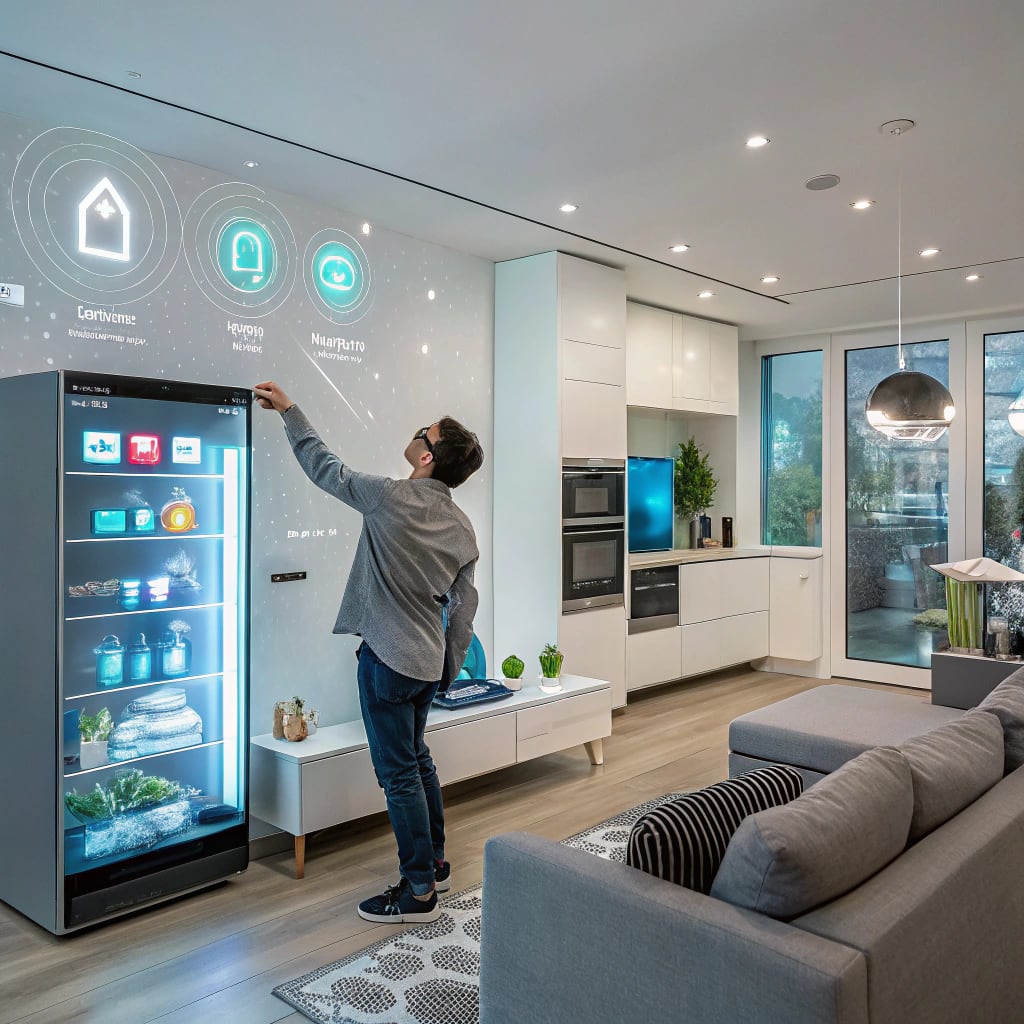
Introduction
The concept of smart homes has evolved dramatically over the past decade. What once seemed like a futuristic dream is now a reality in many households. With the integration of artificial intelligence (AI), smart homes are becoming more intuitive, responsive, and efficient. But what can we truly expect from AI-powered smart homes by 2030? In this article, we will explore the technologies shaping this evolution, the impact on daily life, and the challenges we may face as we step into a more connected and intelligent living space.
Current State of Smart Homes
Currently, smart home technologies like voice assistants (e.g., Alexa, Google Home), smart thermostats, security cameras, and automated lighting systems are becoming increasingly common. These devices are often controlled through mobile apps, allowing users to adjust settings remotely. While the technology is impressive, it still largely depends on user input and manual configurations. The next wave of innovation aims to change that, with AI taking the lead.
Key Technologies Shaping the Future
By 2030, smart homes are expected to be fully integrated with AI, making them capable of learning user behaviors and preferences without constant human intervention. Key technologies that will drive this transformation include:
1. AI-Powered Virtual Assistants – Virtual assistants will evolve to become more conversational and context-aware, capable of managing not just simple commands but also complex household tasks. They will predict needs, schedule activities, and optimize energy consumption seamlessly.
2. IoT and Interconnectivity – The Internet of Things (IoT) will enable every device in the home to communicate with each other. From refrigerators that order groceries to lights that adjust based on mood, everything will be interconnected.
3. Enhanced Security Systems – Facial recognition, biometric access, and AI-driven threat detection will make smart homes safer than ever. Security systems will not just alert homeowners but also autonomously take preventive measures.
4. Energy Efficiency and Smart Grids – AI will optimize energy consumption by learning peak usage times and adjusting settings to minimize waste, contributing to eco-friendly living.
5. Health Monitoring and Wellness – Smart mirrors, sleep trackers, and health sensors will monitor the well-being of residents, providing insights and alerts for better health management.
Impact on Daily Life by 2030
The impact of AI-powered smart homes on daily life will be profound. Tasks like cooking, cleaning, and even grocery shopping will be automated. Imagine a refrigerator that not only reminds you when items are low but also orders them automatically. Voice assistants will act as personal secretaries, managing schedules, controlling environments, and even suggesting healthy meal plans based on your fitness goals.
Homeowners will experience heightened comfort and convenience as AI learns their preferences over time. Lights will adjust based on mood, music will play according to personal taste, and room temperatures will be optimized without manual input. These technologies will save time, reduce energy costs, and enhance overall living experiences.
Challenges and Ethical Considerations
Despite the promising future, there are challenges to address. Privacy concerns are at the forefront, as interconnected devices collect massive amounts of data. Ensuring this data is securely stored and ethically used is crucial. Additionally, dependency on AI could make homes vulnerable to cyber threats if proper security measures are not implemented.
There are also ethical considerations regarding surveillance and data ownership. Who controls the data collected by smart home devices? How will this data be used? Addressing these concerns will be vital as smart home technology continues to evolve.
Conclusion: A Glimpse into the Future
By 2030, AI-powered smart homes are expected to redefine the way we live. Enhanced convenience, greater energy efficiency, and improved security are just the beginning. As technology advances, our homes will become more intuitive and capable of adapting to our needs like never before. However, with great innovation comes the responsibility to manage security and ethical concerns effectively.
The future of smart homes is not just about technology—it’s about transforming the way we experience everyday life, making it safer, smarter, and more sustainable.
About the Creator
Keep reading
More stories from Masih Ullah and writers in Chapters and other communities.
The Edge of War: Understanding the India-Pakistan Conflict 2025
Introduction The year 2025 has witnessed a dramatic escalation in tensions between two of South Asia's nuclear-armed neighbors, India and Pakistan. Triggered by a series of violent incidents and military confrontations, the conflict has now drawn international attention, raising concerns of a possible full-scale war. In this article, we will explore the root causes of the conflict, its immediate impact, the global response, and the potential paths forward.
By Masih Ullah9 months ago in History
Bruce Lee and The God of War: Kuan Ti
It starts with love.. The Power to the God Of War and Wealth Walk into a Chinese restaurant (even in Oklahoma, USA), a Chinese police station, a kung fu martial arts studio or even a Chinese temple and you often see a red faced warrior holding a heavy quan-do (spear like weapon).
By WILD WAYNE : The Dragon King11 days ago in Chapters
Is Living For Your Hobbies A Good Thing
When we live life do we do so for our hobbies or do we just live life to live life. Living life for your hobbies is a good thing but how can we live life for the hobbies that we have? Is it just doing the hobbies that we enjoy. Is it to make our lives the way we want to with doing the hobbies that make life the best it is for us. The more we put our hobbies and life together the more we will be living life for the hobbies that we have, and yes living for your hobbies is a good thing because, you get so much more out of life when you put your hobbies into your life. Reading, writing, blogging, re-organizing things. Just live life the way that works for you. Figure out what hobbies work for you and you will have so much more happening in life as you figure out how to put your life and hobbies together. The more you put your hobbies and life together the more you will be living for the two things and the better you will feel if you try to do this.
By Louise Barraco6 days ago in Chapters



Comments
There are no comments for this story
Be the first to respond and start the conversation.