
The Chemical Secret Behind Honey’s Remarkable Shelf Life
Why This Natural Sweetener Defies Spoilage for Years
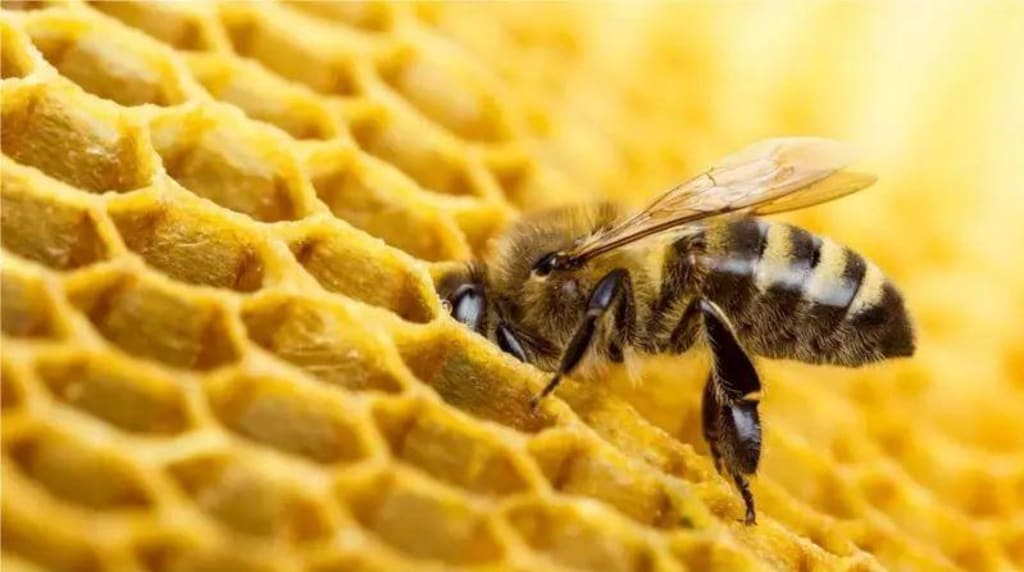
Some foods possess extraordinary qualities that allow them to remain consumable for years, and honey stands out as one of nature’s most impressive examples. Despite being a sugar-rich substance—which is usually a breeding ground for bacteria—honey resists spoilage and remains safe to consume even after a long time. But what is the secret behind honey’s remarkable resistance to bacteria and mold?
The Paradox: Sugar That Doesn’t Spoil
Bacteria typically thrive on sugary substances. In fact, sugar and sugary treats are among the most favored foods for bacterial growth. However, honey is an exception. Though it's naturally sweet and dense with sugar, it remains resistant to bacterial and fungal contamination for an unusually long time.
In contrast, most canned or packaged foods spoil easily, often within days of exposure to air or contamination from a simple spoon dip. Mold or bacteria colonies begin to flourish rapidly. Honey, however, retains its integrity, flavor, and safety—sometimes for years.
The Role of Bees in the Transformation Process
The journey of honey from flower to jar is crucial to its durability. Bees collect nectar from flowers—a watery, sugary substance—and begin the transformation process during their flight back to the hive. Even before honey is stored, bees partially remove the water content from the nectar, thickening it significantly.
Once inside the hive, the bees continue this process. They deposit the concentrated nectar into the honeycomb and perform an extraordinary action: they fan it constantly with their wings. This airflow causes even more evaporation of water from the honey. Think of it like sweat evaporating from your skin when air blows across it. What was initially a liquid with 70–80% water becomes a thick, low-moisture syrup.
Low Water Content: The Core of Preservation
Honey typically contains only 15–18% water by the time it is sealed in honeycombs. This low water content is key. In an environment where sugar is extremely concentrated and water is scarce, bacteria simply cannot survive. The environment becomes hypertonic, pulling moisture out of any microbial cells that enter it—essentially dehydrating and killing them.
Additionally, honey is naturally acidic. The bees increase the acidity during production, creating an inhospitable environment for most bacteria and fungi. The combination of low pH, low moisture, and high sugar concentration forms a natural preservative system that doesn’t require refrigeration or additives.
Air-Tight Storage Enhances Longevity
Another factor that contributes to honey's shelf life is oxygen control. Like many preserved foods, when honey is stored in an air-tight jar, it limits oxygen exposure, further reducing the chances of microbial activity. That’s why processed foods also use vacuum sealing or oxygen absorbers.
Food scientists have long believed that less water equals more preservation—and honey is a perfect real-world example. Even though it may crystallize or change texture over time, its safety and quality remain intact as long as it’s sealed and uncontaminated.
When Honey Can Spoil
Despite all its strengths, honey is not entirely invincible. Once a jar is opened and a spoon is dipped in, moisture and microbes from the environment or the utensil can enter the jar. If left unchecked, this can introduce enough water and bacteria for fermentation or spoilage to occur.
Thus, how you store and handle honey matters. Always use a clean, dry spoon and reseal the jar tightly after use to maintain its longevity.
Conclusion: Nature’s Genius Preservative
Honey is more than just a natural sweetener—it’s a marvel of chemistry and biology. Its low moisture, natural acidity, and bee-engineered processing give it an almost magical resistance to spoilage. Stored properly, honey can outlast most processed foods and retain its benefits for years. Nature, once again, proves to be the best scientist.
About the Creator
Keep reading
More stories from Muhib Ullah and writers in Chapters and other communities.
Fair Exchange, No Robberies
Dark Memoirs - Index There are at least two kinds of people in the world: those who write this half-arsed kind of intro to a story that looks to separate the rare and the norm, and those who realise it's an overused framing device and don't.
By Paul Stewart13 days ago in Chapters
Brass Ring Chapter 10: Bruno Gets Back In The Saddle
Bruno loved the Reubens at the Loaded Swallow, and he savored his sandwich. Well, the one he had to order after my idiot boyfriend was gone. He was also scrolling through the paperwork for the Blue Card Program. He also checked to make sure that Paul was still listed as part of the program; while officially it was set up to make life easier for CAPES members, unofficially it was created to fuel a certain speedster while in the field. It was something he was happy to do; nothing was worse than a hungry speedster in an enclosed space. He had found that out when Paul was trapped by Tintran the Terrible several Christmases ago.
By Jamais Jochim7 days ago in Chapters



Comments
There are no comments for this story
Be the first to respond and start the conversation.