
Teeth Whitening: A Guide to Brightening Your Smile
Vaani Dental offers top-tier dental care Portland, TX. Our services include veneers, dentures, and Child dentistry. Experience quality, comfort, and a radiant smile with our expert team. Visit us today!
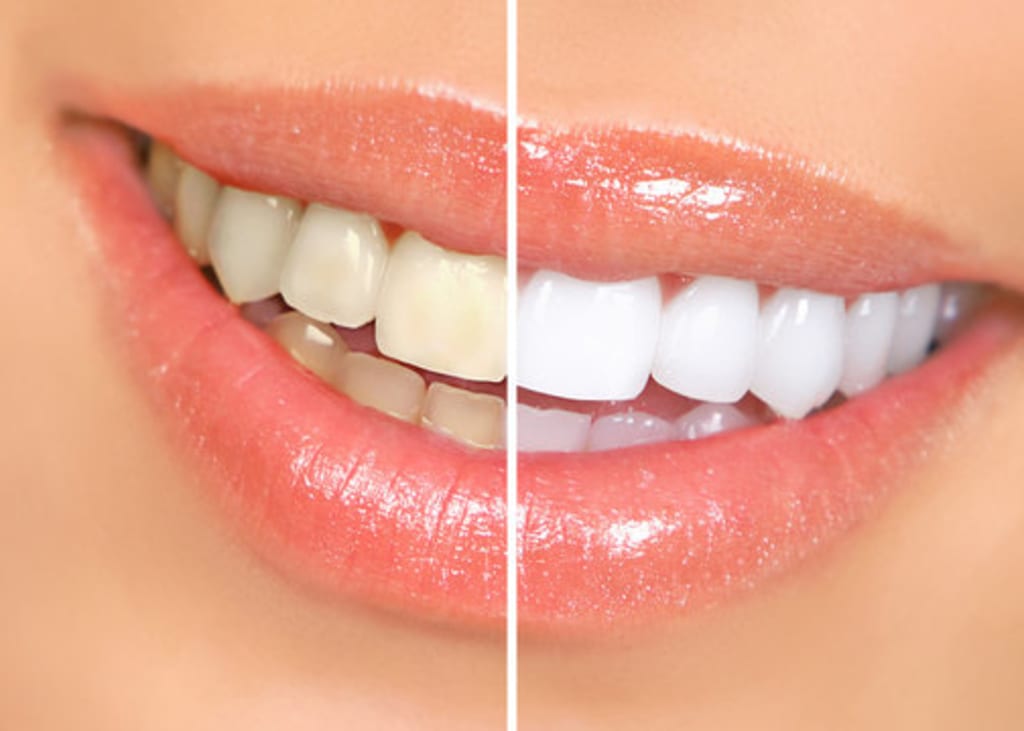
A bright, white smile is often seen as a symbol of health, vitality, and confidence. Over time, however, our teeth can become stained or discolored due to a variety of factors, including age, diet, and lifestyle choices. Fortunately, teeth whitening offers a popular solution to restore the natural brilliance of your smile. Whether you're looking to remove surface stains or make a dramatic change, there are various whitening methods available to suit your needs.
What Causes Teeth to Discolor?
Before diving into whitening options, it's important to understand why teeth discolor in the first place. The color of your teeth is influenced by several factors:
Extrinsic Stains: These are stains that occur on the outer layer of your teeth, the enamel. They are typically caused by food and beverages such as coffee, tea, red wine, berries, and certain sauces. Smoking and poor oral hygiene can also contribute to these stains.
Intrinsic Stains: These occur deeper within the tooth, in the dentin layer beneath the enamel. Intrinsic stains can result from the natural aging process, where enamel thins over time, exposing the yellower dentin. They can also be caused by trauma to the tooth, certain medications, or excessive fluoride exposure during childhood.
Genetics: Some people naturally have more yellowish or grayish teeth due to genetic factors, which influence the thickness and color of enamel.
Understanding the root cause of your discoloration is key when selecting a whitening treatment. For example, if your stains are extrinsic, surface-level treatments may work best, while intrinsic stains might require more intensive treatments.
Popular Teeth Whitening Methods
Teeth whitening methods generally fall into two categories: at-home and professional treatments. Both have their pros and cons, so let's explore each option in more detail.
1. At-Home Teeth Whitening
At-home whitening treatments are convenient and often more affordable than professional treatments, but they may take longer to produce noticeable results. Some of the most common at-home methods include:
Whitening Toothpastes: These contain mild abrasives and chemicals that help remove surface stains from your teeth. While they can help maintain the brightness of your teeth, they typically do not change the natural color of your teeth significantly. For noticeable whitening, you'll need more powerful treatments.
Whitening Strips and Gels: Over-the-counter whitening strips and gels are applied directly to your teeth, usually for 15-30 minutes a day over a period of two weeks. These products often contain hydrogen peroxide or carbamide peroxide as the active ingredient to break down stains. While they can produce noticeable results, the concentration of whitening agents is generally lower than what is used in professional treatments.
Whitening Trays: Custom or over-the-counter whitening trays can be filled with whitening gel and worn over the teeth for extended periods, usually overnight. Custom trays made by your dentist are often more effective because they provide a better fit and minimize the risk of gum irritation.
Natural Remedies: Some people turn to natural ingredients like baking soda, activated charcoal, or coconut oil for DIY whitening treatments. While these methods may help with mild surface stains, they are less effective than products specifically designed for teeth whitening.
2. Professional Teeth Whitening
For more dramatic results, many people opt for professional teeth whitening treatments. These are done under the supervision of a dentist and typically produce faster and more noticeable results.
In-Office Whitening: In-office whitening treatments, such as Zoom or Laser Whitening, use a high-concentration peroxide gel that is applied to the teeth. A special light or laser is then used to activate the gel, speeding up the whitening process. This method can brighten your smile by several shades in just one session, which typically lasts around an hour.
Which Method is Right for You?
When it comes to choosing a whitening method, there are several factors to consider:
Severity of Stains: If you have stubborn stains, especially intrinsic stains, professional treatments may be more effective. However, if your stains are mild or surface-level, over-the-counter products may suffice.
Budget: At-home whitening products tend to be more affordable, but they may require more time and patience to achieve your desired results. Professional treatments, while more expensive, offer faster and more dramatic results.
Sensitivity: Some whitening products, especially those containing hydrogen peroxide, can cause tooth sensitivity or gum irritation. If you have sensitive teeth, it's important to consult with your dentist before beginning any whitening treatment. Your dentist may recommend a lower concentration of whitening agents or suggest alternative options.
Long-Term Results: While at-home treatments can maintain the results of professional whitening, the effects of in-office whitening tend to last longer. However, the longevity of your results will still depend on your lifestyle and oral hygiene habits. If you consume staining foods and beverages regularly or smoke, the results may fade more quickly.
Maintaining Your White Smile
After you’ve achieved your desired level of whiteness, it’s important to maintain your results. Here are some tips:
Practice Good Oral Hygiene: Brush your teeth twice a day, floss daily, and use mouthwash to help prevent plaque buildup and surface stains.
Limit Staining Foods and Drinks: Try to reduce your consumption of coffee, tea, red wine, and foods with heavy pigmentation. If you can’t avoid them, brush your teeth afterward or rinse with water to help minimize staining.
Regular Touch-ups: Depending on the method you used, you may need periodic touch-ups. Professional whitening kits or at-home products can be used intermittently to maintain brightness.
Conclusion
Teeth whitening is an effective and safe way to enhance your smile and boost your confidence. Whether you choose an at-home solution or a professional treatment, there are plenty of options available to suit your needs, budget, and lifestyle. By understanding the causes of tooth discoloration and choosing the right whitening method for your situation, you can enjoy a brighter, healthier-looking smile for years to come. Always consult with your dentist before beginning any whitening regimen to ensure you select the best option for your teeth and gums.
About the Creator
Keep reading
More stories from writers in Chapters and other communities.
Search for a Sister, Chapter Two
4-H-N heard not a word about her secret mission around Headquarters over the following days, so had to conclude either Mini-Flash Phytolith hadn’t been listening in after all, or she’d misjudged him. She hoped it was the latter, as she wanted the pair of them to get on, even if he wasn’t going out of his way to make it easy for her.
By Doc Sherwood20 days ago in Chapters
Sparrow on a Plank Chapter 13: Into The Bowels of Hades
Sal and Hajime quickly re-established their routines, with a few noticeable differences. Hajime was able to maintain his morning meditation and the evening stint in the crow's nest, but his instruction in the ways of the sea was stepped up a bit. This meant that he had to deal with a certain of hazing, but he was learning a new profession. By the time he hit Bubastos, he knew as much as a journeyman sailor, and was able to sail a small boat by himself, or be part of a crew without embarrassing himself.
By Jamais Jochim2 days ago in Chapters


Comments
There are no comments for this story
Be the first to respond and start the conversation.