
Roasted Vegetable and Black Bean Bowls: A Nutritionally Dense, Fiber-Rich Culinary Innovation
🌟 The Science Behind This High-Fiber Meal
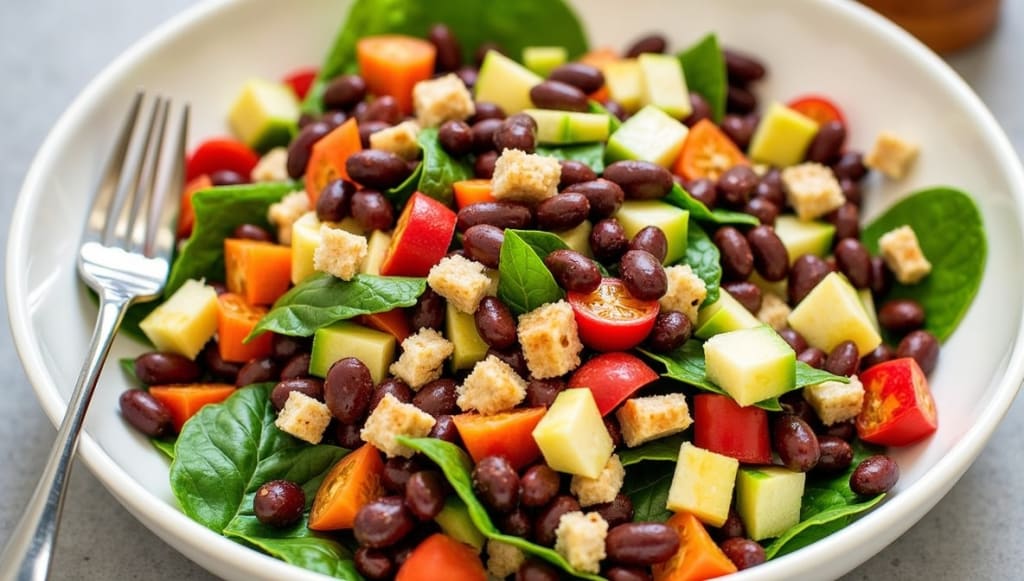
In the realm of evidence-based nutrition, dietary fiber plays an indispensable role in gastrointestinal health, metabolic regulation, and systemic inflammation reduction. Roasted Vegetable and Black Bean Bowls exemplify a fiber-forward dietary approach, delivering an impressive 17 grams of fiber per serving. This composition enhances satiety, promotes glycemic stability, and contributes to cardiovascular resilience. Designed for culinary enthusiasts, health-conscious individuals, and meal-prep strategists alike, this dish offers a scientifically validated means of optimizing daily fiber intake.
This recipe is particularly beneficial due to its:
Plant-Based Nutrient Density 🌱 (with optional dairy-free modifications)
Macronutrient Synergy 🏋️♂️ (balancing protein, fiber, and healthy fats)
Microbiome-Enriching Properties 🥕🥦 (enhancing gut flora diversity)
Economic and Practical Accessibility 💰 (using widely available ingredients)
🥗 The Physiological Benefits of Dietary Fiber
Fiber as a Critical Component of Holistic Health
Dietary fiber is integral to numerous physiological functions. The ingestion of adequate fiber:
Facilitates Colonic Motility: Reducing transit time and mitigating constipation.
Promotes Satiety Hormones: Enhancing leptin and peptide YY activity for appetite regulation.
Modulates Glycemic Response: Slowing carbohydrate absorption and reducing postprandial glucose spikes.
Optimizes Lipid Metabolism: Binding bile acids to lower LDL cholesterol levels.
Sustains Energy Homeostasis: Preventing metabolic fatigue and enhancing insulin sensitivity.
Enriches Gut Microbiota: Acting as a prebiotic substrate to fortify microbial diversity.
Clinical Recommendations
Current Dietary Reference Intakes (DRIs) advocate for 25g of fiber for women and 38g for men daily. However, epidemiological data suggests that most individuals consume well below these thresholds. Integrating meals like this fiber-rich bowl can systematically close this deficit.
Expanded Nutritional Advantages
Supports Endothelial Function: Contributing to reduced arterial stiffness and improved vascular elasticity.
Enhances Dermatological Health: Antioxidant-rich fiber sources mitigate oxidative stress linked to dermal aging.
Reduces Pro-Inflammatory Biomarkers: Fiber intake correlates with lower levels of C-reactive protein and interleukin-6.
🍽️ Curated Ingredient Profile
Roasted Vegetables:
1 cup diced bell peppers (Capsicum annuum, rich in ascorbic acid)
1 cup broccoli florets (Brassica oleracea, high in sulforaphane)
1 small sweet potato, cubed (Ipomoea batatas, abundant in beta-carotene)
1 zucchini, sliced (Cucurbita pepo, rich in water-soluble fiber)
1 carrot, julienned (Daucus carota, potent in polyphenols)
1 tablespoon extra virgin olive oil (high in oleic acid and polyphenols)
1 teaspoon garlic powder (Allium sativum, conferring cardioprotective effects)
1 teaspoon paprika (Capsicum annuum, exhibiting thermogenic properties)
½ teaspoon black pepper (Piper nigrum, augmenting bioavailability of curcumin)
Salt, adjusted to taste
Black Bean Preparation:
1 cup cooked black beans (Phaseolus vulgaris, a resistant starch source)
½ teaspoon cumin (Cuminum cyminum, enhancing digestive enzymatic activity)
½ teaspoon chili powder (Capsaicin-rich, facilitating metabolic rate modulation)
½ teaspoon onion powder (Allium cepa, promoting nitric oxide synthesis)
¼ teaspoon Himalayan pink salt (mineral-dense sodium alternative)
1 teaspoon olive oil (to optimize fat-soluble nutrient absorption)
1 clove garlic, minced (contributing allicin, a known anti-inflammatory agent)
Juice of half a lime (Citrus aurantiifolia, rich in bioavailable vitamin C)
Base & Toppings:
1 cup cooked quinoa (Chenopodium quinoa, a complete protein source)
½ avocado, sliced (Persea americana, providing monounsaturated fatty acids)
2 tablespoons Greek yogurt (or a plant-based probiotic alternative)
1 tablespoon pumpkin seeds (Cucurbita pepo, supplying zinc and magnesium)
Fresh cilantro or parsley, chopped (Coriandrum sativum, supporting heavy metal detoxification)
1 teaspoon sesame seeds (Sesamum indicum, beneficial for lignan content)
1 tablespoon hummus (a phytonutrient-dense legume paste)
👨🍳 Precision-Driven Culinary Methodology
Step 1: Vegetable Roasting Protocol
Preheat oven to 200°C (400°F).
Evenly coat vegetables with olive oil and selected seasonings.
Arrange on a parchment-lined tray and roast for 20-25 minutes, flipping at the midpoint.
Step 2: Bioavailability Optimization in Black Beans
In a heated pan, introduce olive oil and minced garlic.
Integrate black beans and distribute seasoning uniformly.
Sauté for 5 minutes, ensuring aromatic compound volatilization.
Finish with fresh lime juice for pH modulation.
Step 3: Assembly for Nutrient Synergy
Establish a base using pre-cooked quinoa or grain of choice.
Strategically layer roasted vegetables and seasoned legumes.
Incorporate avocado, Greek yogurt, pumpkin seeds, and fresh herbs.
Optionally, garnish with tahini or hummus for textural contrast.
📊 Macronutrient & Micronutrient Analysis
Nutrient
Amount (per serving)
Energy Yield
480 kcal
Protein Load
20g
Fiber Content
17g
Carbohydrate Spectrum
62g
Essential Fats
16g
🏁 Conclusion: Integrating High-Fiber Culinary Practices
Systematic integration of high-fiber meals like this Roasted Vegetable & Black Bean Bowl confers multifaceted health advantages. From metabolic regulation to microbiome enhancement, this dish epitomizes the confluence of gastronomy and nutritional science.
🚀 Engagement Directive: Recreate this dish and share findings on Instagram (@HealthyBitesIndia). Utilize the hashtag #FiberFuel for community-driven dialogue.
💬 Discussion Prompt: What are your preferred fiber-rich culinary innovations? Contribute your insights below!
About the Creator
Keep reading
More stories from Kajal Devi and writers in Chapters and other communities.
Teriyaki Chicken Skillet Casserole with Broccoli: A Gourmet Fusion of Flavor, Nutrition, and Culinary Precision
In the pursuit of culinary sophistication combined with nutritional rigor, the Teriyaki Chicken Skillet Casserole with Broccoli emerges as a masterful integration of umami-rich teriyaki sauce, tender, lean chicken breast, nutrient-dense broccoli, and delicately textured rice. This dish is meticulously designed for professionals balancing hectic schedules, students seeking wholesome meals, and families striving for nourishing, flavorful food. Its versatility across dietary frameworks makes it an essential component of any meal-planning strategy.
By Kajal Deviabout a year ago in Chapters
Brass Ring Chapter 15: Lunch Between Brothers
Oliver and Cass entered the Les Enfants Bistro. The maître d' saw them, grabbed two menus, and asked them if they had a seating preference. Oliver held up his hand. “We’re looking for a guy sitting alone with circuitry on his face.” The maître d’ nodded and motioned for them to follow him. They were led to a corner table, partially in the dark. They were sat and Oliver ordered to cokes. The maître d’ disappeared.
By Jamais Jochima day ago in Chapters




Comments
There are no comments for this story
Be the first to respond and start the conversation.