
Rep. Delia Ramirez, D-Ill., plans to introduce a bill
🔥THE BILL AGAINST THE GIANT


The Spark
The fluorescent lights in the Capitol hallway hummed quietly as Congresswoman Delia Ramirez stood alone outside her office, clutching a thick folder of draft legislation. It was early — too early for most lawmakers — but she couldn’t sleep anyway. Not with the videos circulating. Not with the protests raging in the streets. And not with the memory of Renee Nicole Good’s face splashed across every screen in America.
Washington felt different these days. Tense. Charged.
Everywhere she walked, she felt the weight of expectation pressing in on her, especially from the people back home in Chicago — people who were tired, angry, and, most of all, afraid.

Delia stared through the window overlooking the Capitol dome. *“What the hell is Congress doing?” her constituents had demanded again and again. “Who’s fighting for us?”
These weren’t just political questions. They were pleas.
And today, she was going to answer them.
Inside her office, her staff huddled around a conference table. Chart papers, memos, and polling data lay scattered like a battlefield of facts and frustration.
“You’re really sure?” her policy director asked, pushing his glasses up. “This bill will detonate the DHS budget for detention. Republicans will call it extreme—”

“They already do,” Delia said, cutting him off, her voice low but firm. “They call us weak, reckless, feckless — all because we’re willing to question an agency acting without limits.” She placed the folder on the table. “If we don’t draw the line now, when will we?”
The bill would do exactly what critics feared:
ban DHS from using immigrant detention centers
block them from contracting new facilities
strip funding from detention and reroute it into health care, housing, and community support : It wasn’t just policy. It was a statement:
ICE cannot be allowed to operate without oversight.

Delia knew it wouldn’t make it to the House floor. Not with the Republican majority. Maybe not even with a mixed Congress. But legislation wasn’t always about immediate victory. Sometimes it was about planting a flag in the ground for the battles ahead.
“This sends a message,” she said. “To our people. To the country. And to ICE.”
A knock sounded at the door.
A young woman entered, her face streaked with tears. She volunteered with an immigrant rights group in Minnesota.

“Congresswoman,” she whispered, “they’re still protesting in Minneapolis. That officer’s shooting… people are terrified. They’re asking if anyone in Washington is even paying attention.”
Delia placed a steady hand on the volunteer’s shoulder.
“We’re paying attention,” she said. “And we’re fighting.”
The Resistance
The morning of the press conference was gray and cold. Reporters gathered on the Capitol steps, microphones pointed like weapons, cameras blinking awake. Delia stepped to the podium with purpose, flanked by fellow progressives who shared her urgency.

She began speaking — carefully at first — explaining the bill, the need for community‑centered funding, the reckless tactics ICE had been using across the country, including the violent confrontations caught on camera.
But then her tone shifted. Fire replaced caution.
“For years, we have watched an agency operate without meaningful restraints,” she said, voice rising. “We have heard story after story of families torn apart, homes raided without warning, and confrontation turning deadly. We’ve heard people screaming in the streets: ‘Is anyone listening?’ Today, we say — yes. We are.”

Cameras clicked. Typing accelerated.
This was the moment that would define her.
A reporter shouted a question: “Congresswoman, is this an attempt to abolish ICE?”
Delia paused. Her aides stiffened.
Politically, the safe answer was no.
Strategically, the recommended answer—per Democratic strategists—was focus on reform, not abolition.
But the safe answer wasn’t why she came to Washington.
“What I’m saying,” she replied steadily, “is that we must stop funding cruelty. We must stop allowing an agency to operate as if the Constitution doesn’t apply to them. Criminal enforcement won’t disappear — but the unchecked power of ICE should.”
Whispers rippled across the press crowd.
She took a breath.
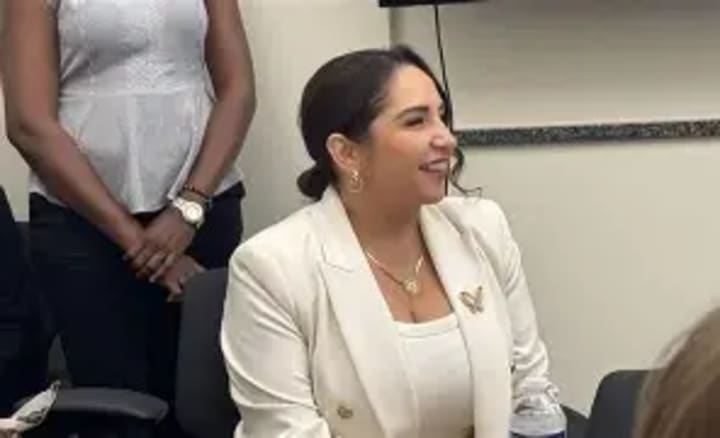
“I’m introducing this bill because our communities are traumatized. Because people feel hunted. Because when agencies believe there is no limit to their power, democracy suffers. And because we cannot wait for another tragedy.”
Later, in her office, the phones rang nonstop. Staffers scrambled. Some calls were angry, furious even. Others were desperate cries of relief. One message stood out from a Minnesota mother whose teenage son recorded the protests: “Thank you for standing up. No one else talks like this. Please don’t let them silence you.” Delia closed her eyes and let the words settle. This wasn’t about political wins. It was about moral lines.

Meanwhile, Republicans were already organizing their counterattack. Conservative media branded her “dangerous,” “radical,” “a threat to national security.” Some House members vowed to block every Democratic proposal until the bill was withdrawn.
But Delia expected that. Fear of backlash had never stopped her before. What she didn’t expect was the message she received that night from one of her Democratic colleagues — a moderate from a swing district.
“I don’t agree with everything you said,” the message read, “but you’re right about one thing. People are scared. And ICE is out of control. Maybe it’s time we start pushing back harder.”
A spark. Small, but real. Movements didn’t begin with majorities.
They started with courage.
The Battle Line , As the days passed, the nation’s attention sharpened.

Videos from Minneapolis continued going viral — officers in tactical gear clashing with protesters, tear gas drifting over city streets, residents screaming through broken windows. The footage from Chicago, including within Delia’s own district, resurfaced in national broadcasts. People marched. People demanded answers.
Republicans condemned the protests. Democrats were split. ICE maintained silence. DHS refused to comment.
But the public mood was shifting. Polling showed that more Americans now questioned ICE’s role than defended it. Even some moderates were beginning to ask whether the system had grown too big, too powerful, too unregulated.
Inside the Capitol, Delia and her team worked long nights refining the bill. Not for passage — that would not come until 2027 at the earliest — but for precision. For clarity. For the long fight.
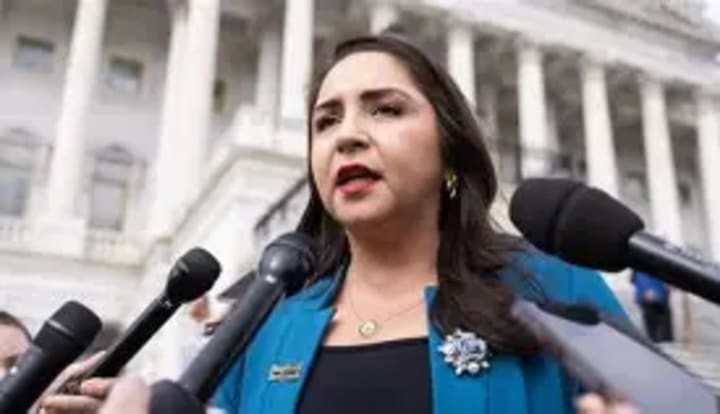
Her chief of staff entered her office with a weary smile. “You’ve made enemies,” he said. “But you’ve also made believers.”
She nodded, letting that sink in. “Good. We’re going to need both.”
On a quiet afternoon, she returned to the House floor. Members debated unrelated issues, their voices echoing in the chamber. She slipped into her seat and placed her folder — the bill — on the desk before her.
A symbol.
A promise.
A beginning.
She imagined the next Congress. A Democratic majority. A chance to actually move this forward. A chance to reshape immigration enforcement entirely.
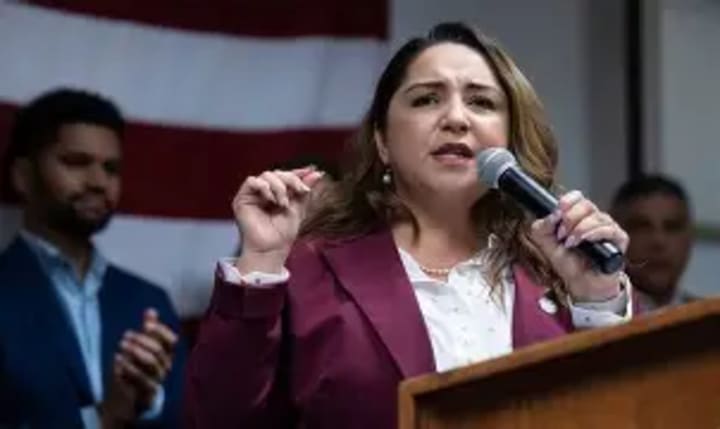
She imagined families watching C‑SPAN from living rooms where the fear of a knock on the door still lingered. She imagined her father — who came to America decades ago — telling her again, “Mija, the law is only just if it protects the vulnerable.” She imagined the children in Chicago, in Minnesota, in Texas — those who cried as their parents were taken away. Those who wondered why justice never came for them.
Delia stood, lifting the folder, and whispered to herself: “We will fight. We will keep fighting. And one day, this bill will not just be a message. It will be law.” She walked out of the chamber, her steps steady, her resolve unshaken.
Outside, the afternoon sun dipped behind the Capitol, casting long shadows across the marble steps. Shadows of a battle still unfolding. Shadows of a government wrestling with its conscience.
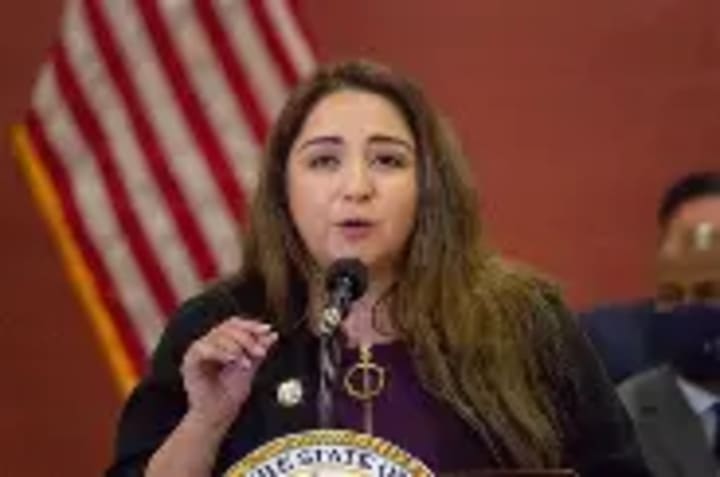
But also— Shadows of movement. Of momentum.
Of a new future forming. A future where agencies were accountable. Where communities were protected.
Where America lived up to the promises it preached. And somewhere in the crowd gathering outside — chanting, marching, holding signs — a young girl watched Delia descend the steps and whispered to her mother:
“One day… I want to fight like her.”
About the Creator
Organic Products
I was born and raised in Chicago but lived all over the Midwest. I am health, safety, and Environmental personnel at the shipyard. Please subscribe to my page and support me and share my stories to the world. Thank you for your time!
Keep reading
More stories from Organic Products and writers in Chapters and other communities.
Downtown Chicago Chronicles
It’s New Year’s Eve in downtown Chicago, and the streets are buzzing like a beehive on espresso. The riverfront is gearing up for fireworks that promise to light up the sky brighter than your cousin’s LED sneakers. Security checkpoints are popping up like pop quizzes, and drones? Forget it—grounded. The bridges are closing, the CTA is offering free rides, and the youth curfew is set for 10 p.m. If you’re under 18, you better be home binge-watching cartoons instead of fireworks.
By Organic Products 8 days ago in Chapters
Fair Exchange, No Robberies
Dark Memoirs - Index There are at least two kinds of people in the world: those who write this half-arsed kind of intro to a story that looks to separate the rare and the norm, and those who realise it's an overused framing device and don't.
By Paul Stewart17 days ago in Chapters
Smart phones, Humans and Aliens.
WARNING. I will be tapping into one of your favorite creative tensions: The absurdity of humans worshipping their glowing rectangles as if they were tiny oracles. There’s something deliciously poetic about that contradiction, and it lends itself beautifully to an instructive proviso.
By Novel Allen6 days ago in Poets




Comments
There are no comments for this story
Be the first to respond and start the conversation.