

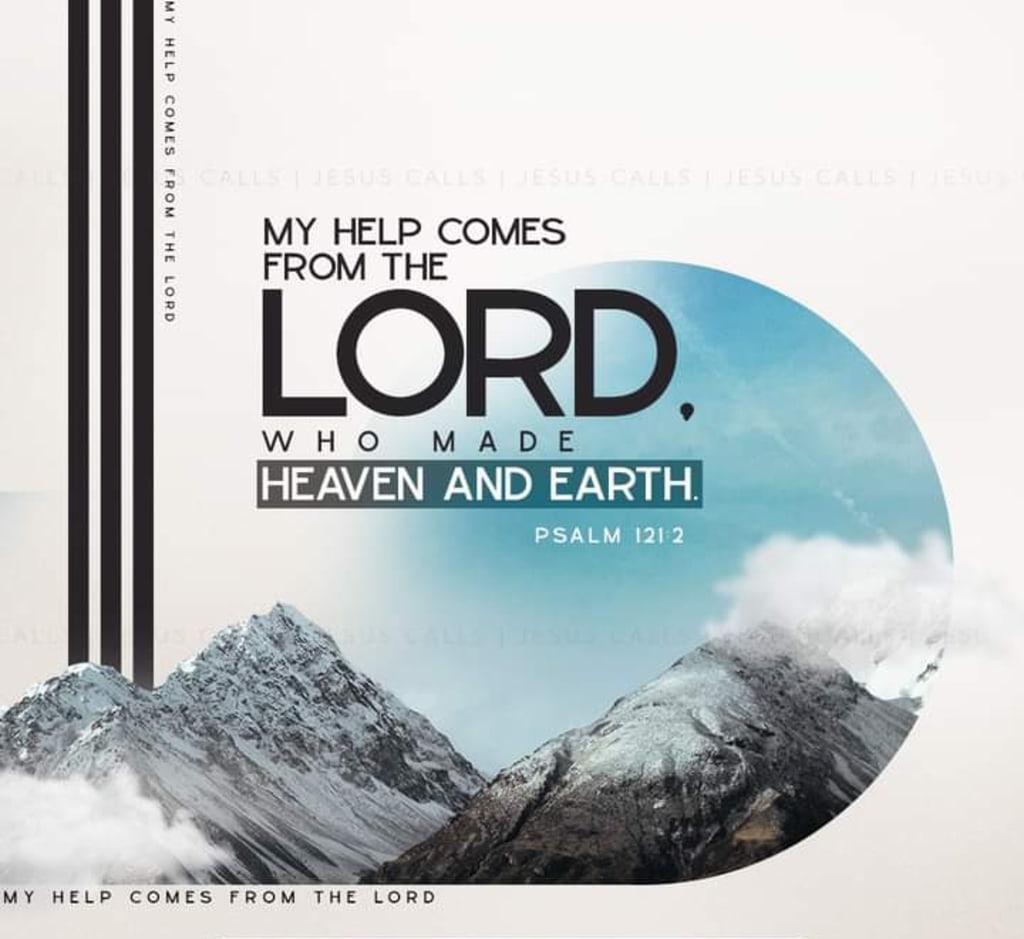
Psalm 121 is one of the fifteen Songs of Ascents in the Book of Psalms, which were sung by the Israelites as they ascended to Jerusalem for worship. It is a psalm of assurance and trust in God’s protection and help. Here's a detailed summary:
**Psalm 121: A Song of Assurance and Trust**
**Opening Sentiment and Declaration of Trust (Verses 1-2):**
The psalm begins with a profound question and answer that sets the tone for the rest of the chapter. The psalmist starts by lifting their eyes to the hills, a gesture often associated with seeking help or finding a place of refuge. In ancient times, hills or mountains were sometimes seen as places of security or spiritual significance. The psalmist wonders aloud where their help will come from, implying a need for assistance or protection. The immediate answer is clear and resolute: their help comes from the Lord, the Maker of heaven and earth. This declaration affirms a deep trust in God, who is seen as the ultimate source of support and protection.
**God's Unfailing Protection (Verses 3-4):**
The psalmist then reflects on the nature of God’s protection. They assert that God will not let the feet of His people slip, meaning He will prevent them from falling or stumbling. This imagery conveys a sense of stability and security. God is described as the keeper of Israel, emphasizing His constant vigilance and care. The mention of God not slumbering or sleeping underscores His unwavering attentiveness and reliability. Unlike human guardians who might tire or become inattentive, God’s vigilance is unceasing.
**The Lord as Guardian of the People (Verses 5-6):**
God is depicted as a protector and shade for His people. The imagery of shade is particularly poignant, suggesting relief and protection from the elements, such as the sun and moon, which can be harmful if one is exposed to them continually. The assurance is that God will protect His people from harm not just by day but also by night, covering all times and circumstances. This comprehensive protection is meant to provide comfort and reassurance that God's care is all-encompassing.
**God’s Preservation from All Evil (Verses 7-8):**
The psalmist promises that God will keep His people from all forms of evil and will preserve their lives. This promise extends beyond immediate dangers to encompass the entirety of their existence. The protection is so thorough that it covers not just the individual but their going out and coming in, signifying their daily routines and all aspects of life. The final reassurance is that God’s protective care will be with them forevermore, ensuring that His support endures throughout their entire lives.
**Themes and Significance:**
Psalm 121 is a powerful expression of faith in God’s steadfast protection and help. It reassures believers of God’s vigilance and care, highlighting His role as a divine guardian who provides stability and security. The psalm reflects a deep trust in God’s ability to shield His people from both visible and unseen dangers. It is a reminder of the enduring nature of God’s protection, emphasizing that He is a constant source of help in all circumstances.
In summary, Psalm 121 is a comforting declaration of trust in God’s unchanging and reliable protection. It acknowledges the need for divine assistance and affirms that God, as the Creator of the heavens and the earth, is more than capable of providing the care and security that His people need. This psalm offers reassurance to those who may feel vulnerable or in need of support, emphasizing that God’s watchful eye and protective presence are ever-present and everlasting.
This overview captures the essence of Psalm 121, highlighting its key themes and messages about divine protection and unwavering support.
About the Creator
Danny Prem kumar
A vision is our long-term goals and aspirations for the future in terms of its long-term growth and impact on this world. My mission defines what we do and what we stand for, while our vision speaks to our goals and ideals for the future.
Keep reading
More stories from Danny Prem kumar and writers in Chapters and other communities.




Comments
There are no comments for this story
Be the first to respond and start the conversation.