
Mysteries of the Egyptian Pyramids
The Pyramids of Egypt

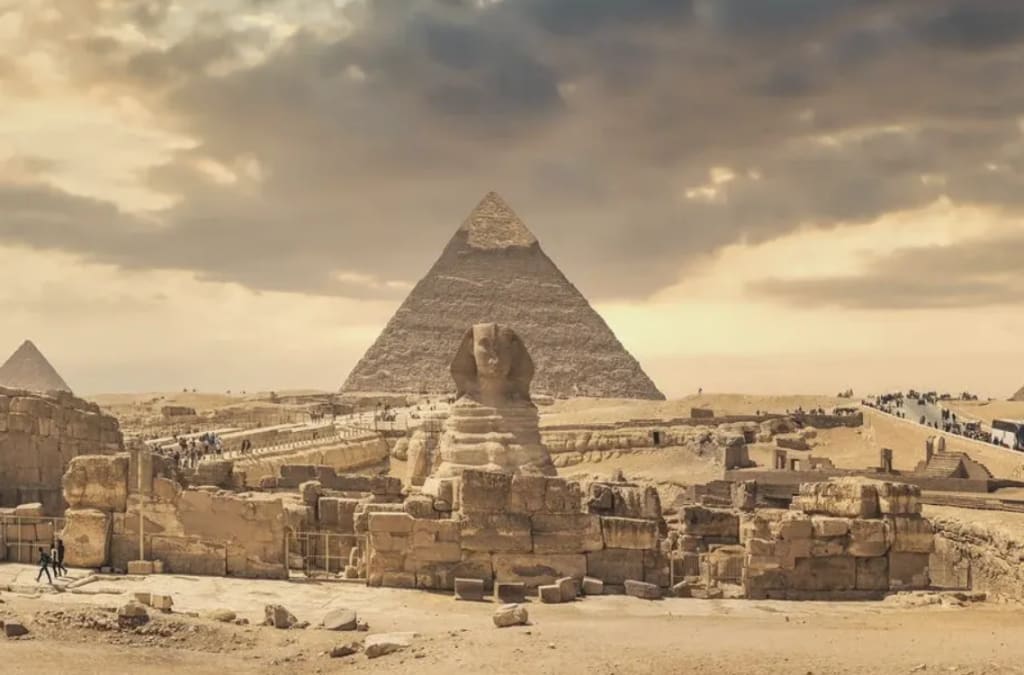
The pyramids of Egypt, especially the Great Pyramid of Giza, have captivated the imagination of people around the world for millennia. These monumental structures, built as tombs for the Pharaohs, are not only architectural marvels but also shrouded in mystery. The questions surrounding their construction, purpose, and the knowledge of the ancient Egyptians continue to intrigue scholars, archaeologists, and enthusiasts alike.
The Construction of the Pyramids
One of the greatest mysteries of the Egyptian pyramids is how they were constructed. The Great Pyramid of Giza, built for Pharaoh Khufu around 2580–2560 BCE, consists of over two million limestone blocks, each weighing between 2.5 and 15 tons. The precision with which these massive stones were cut, transported, and assembled into a structure standing over 480 feet tall has led to countless theories.
Ancient texts and archaeological evidence suggest that a massive workforce, possibly numbering in the tens of thousands, was employed to build the pyramids. These workers were likely skilled laborers, not slaves as often depicted, and they lived in nearby workers’ villages. However, the exact methods used to move and position the stones remain unclear. Some theories propose the use of ramps, levers, and sledges, but the logistics of these techniques on such a massive scale are still debated.
The Alignment and Precision
Another mystery lies in the extraordinary alignment and precision of the pyramids. The Great Pyramid is aligned almost perfectly with the cardinal points — north, south, east, and west — with an accuracy of just a fraction of a degree. This level of precision has led to speculation about the Egyptians’ knowledge of astronomy and mathematics.
The pyramids are also built with an incredible level of accuracy in terms of their dimensions. The sides of the base of the Great Pyramid differ in length by only a few centimeters, and the angles are almost perfectly uniform. How the ancient Egyptians achieved such precision without modern tools is still not fully understood.
The Purpose of the Pyramids
While it is generally accepted that the pyramids were built as tombs for the Pharaohs, their exact purpose and the rituals surrounding their construction remain partly speculative. The pyramids were designed to ensure the Pharaohs’ safe passage to the afterlife, with their souls ascending to the heavens to join the gods. The internal chambers and passages of the pyramids, especially the so-called King’s and Queen’s chambers, have puzzled researchers. The purpose of some of these chambers remains unclear, and there are ongoing debates about whether hidden rooms or undiscovered passages might exist within the pyramids.
The pyramids were also likely meant to demonstrate the power and divine status of the Pharaohs. The sheer scale of these structures would have been a powerful symbol of the ruler’s control over resources and labor, as well as their connection to the gods.
The Mystery of the Pyramid Texts
The Pyramid Texts, found in the pyramids of later Pharaohs, such as those in Saqqara, add another layer of mystery. These texts, inscribed on the walls of the burial chambers, are some of the oldest religious writings in the world. They contain spells, prayers, and rituals intended to protect the Pharaoh in the afterlife. The exact meaning and origins of these texts, and how they were used in the burial rituals, are still subjects of research and interpretation.
Theories and Speculations
Over the centuries, many alternative theories about the pyramids have emerged. Some have suggested that the pyramids were not tombs at all but served other purposes, such as astronomical observatories, power plants, or even monuments left by an advanced lost civilization. While these theories often capture the public’s imagination, they lack substantial evidence and are generally not supported by mainstream archaeology.
Another popular theory is that the pyramids were built with the help of extraterrestrial beings, given the supposed impossibility of ancient humans constructing such massive structures with their limited technology. However, this theory is widely dismissed by experts, who point to the ingenuity and resourcefulness of the ancient Egyptians as sufficient explanations for their accomplishments.
The Egyptian pyramids, particularly the Great Pyramid of Giza, continue to be among the most enigmatic and studied structures in the world. While much has been learned about their construction, purpose, and the society that built them, many questions remain unanswered. The mysteries of the pyramids fuel ongoing research and exploration, ensuring that these ancient monuments remain a subject of fascination and wonder for generations to come.
About the Creator
Keep reading
More stories from Gustavo Woltmann and writers in Chapters and other communities.
The Golden Age of the Roman Empire
The “Golden Age” of the Roman Empire, commonly referred to as the Pax Romana (Roman Peace), represents a period of unparalleled stability, prosperity, and cultural flourishing in Roman history. Spanning from 27 BCE to 180 CE, this era saw the empire reach its zenith in terms of territorial expansion, economic strength, and influence over the ancient world. This article explores the key elements that defined this golden age, from the reign of Augustus to the end of the Five Good Emperors, highlighting the achievements and challenges that shaped the Roman Empire’s most celebrated period.
By Gustavo Woltmann7 months ago in Chapters
Career Sustainability in Counseling: Turning Passion Into a Lasting Profession
Many people enter the counseling field driven by a deep desire to help others and make meaningful change. That passion creates purpose, yet purpose alone is not enough to carry a counselor through the long-term demands of the profession. Sustainable careers require structure, boundaries, adaptability, and strategic planning. As the field evolves and client needs shift, counselors must build a foundation that protects their well-being while supporting steady growth. When passion is paired with intentional strategy, counseling becomes a profession that endures and continues to inspire year after year.
By Debra Bailey PHD3 days ago in Chapters




Comments