
Mindfulness vs. Medication: What Really Helps Mental Health.
Finding What Works for You in the Journey to Better Mental Health

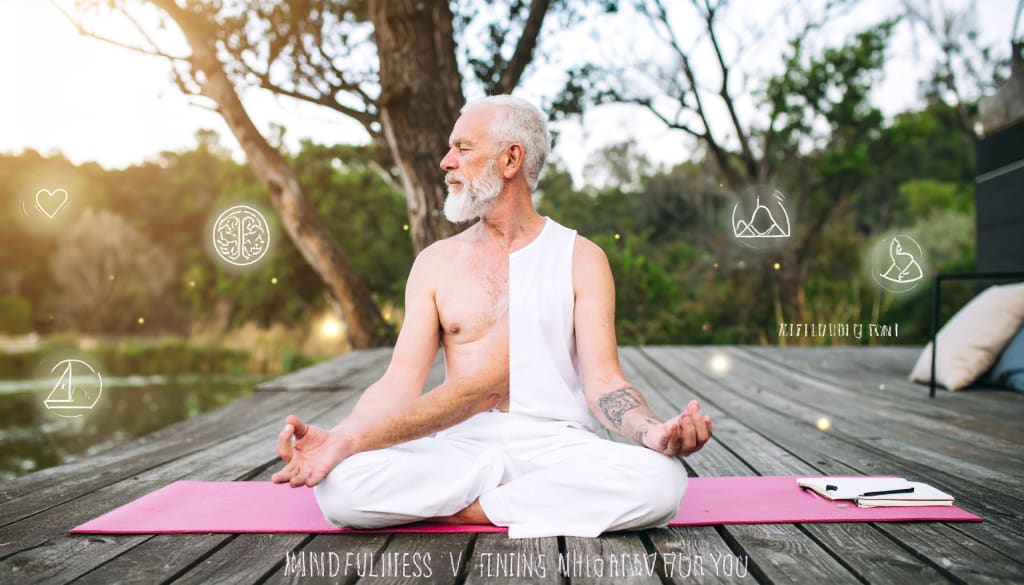
In recent years, conversations about mental health have become more open, with people seeking help and exploring treatment options more than ever before. Two popular approaches that often come up in these discussions are “mindfulness” and “medication”. But which one actually works better—and do we have to choose one over the other?
The truth is, mental health is personal. What works for one person might not work for another. But understanding the strengths and limitations of both mindfulness and medication can help individuals make informed, balanced choices about their care.
What Is Mindfulness?
Mindfulness is the practice of being fully present in the moment. Instead of letting your mind race ahead to future worries or dwell on past regrets, mindfulness encourages you to focus on the “now”—what you're feeling, thinking, and sensing without judgment.
This can be practiced through:
1. Meditation
2. Deep breathing exercises
3. Mindful movement (like yoga or tai chi)
4. Body scans and gratitude journaling
Mindfulness is rooted in ancient traditions but has gained strong support from modern science. Research shows that regular mindfulness practice can reduce stress, anxiety, and symptoms of depression. It helps people develop emotional resilience, sleep better, and improve their focus.
What About Medication?
Medication, often prescribed by a psychiatrist or primary care doctor, can play a vital role in mental health treatment—especially for moderate to severe conditions like major depressive disorder, anxiety disorders, bipolar disorder, or schizophrenia.
Types of mental health medications include:
Antidepressants (e.g., SSRIs like fluoxetine)
Anti-anxiety medications
Mood stabilizers
Antipsychotics
These medications work by altering brain chemistry to balance neurotransmitters (like serotonin and dopamine) that affect mood and behaviour. For many, medication can be life-changing or even life-saving. It can help restore balance during a mental health crisis, making other forms of therapy more effective.
---
Strengths and Limits of Each Approach
Mindfulness:
✅ Strengths:
* No side effects
* Improves self-awareness and long-term emotional regulation
* Empowers individuals with daily coping tools
❌ imitations:
* Takes time and consistency to see benefits
* May not be enough for severe mental illness
* Can be hard to practice during intense emotional distress
Medication:
✅ Strengths:
* Fast-acting (in some cases)
* Often necessary for managing severe symptoms
* Helps restore function so people can engage in therapy
❌ Limitations:
* Potential side effects (e.g., weight gain, fatigue, sexual dysfunction)
* Not a “cure” on its own
Can take time to find the right type and dosage
Why Not Both?
It’s not an either/or situation— “mindfulness and medication can work hand in hand”. In fact, many mental health professionals recommend a "combined approach".
For example, someone with depression might take antidepressants to stabilize their mood and also practice mindfulness to manage daily stress and prevent relapse. Or someone with anxiety may use medication to get through acute symptoms while learning mindfulness techniques to reduce future flare-ups.
Therapy, especially “Cognitive Behavioural Therapy (CBT)”, often includes mindfulness elements and can be even more effective when paired with the right medication.
---
Making the Right Choice for You
If you're struggling with your mental health, the most important step is to seek support—from a doctor, therapist, or counsellor. Together, you can explore what combination of tools is best for your needs.
Consider asking yourself:
Are my symptoms mild, moderate, or severe?
Have I tried mindfulness or therapy before?
Am I open to taking medication if needed?
Do I want to avoid medication due to side effects?
What fits best with my lifestyle and values?
It’s also okay to change your approach over time. Mental health is a journey, not a one-size-fits-all formula.
Final Thoughts
When it comes to managing mental health, there’s no single solution. Mindfulness offers long-term skills for staying grounded and resilient. Medication provides critical support when symptoms become overwhelming. The best results often come from combining both—and tailoring treatment to fit your unique story.
Whether it’s five minutes of deep breathing or a conversation with your doctor about medication, the key is to take that first step toward healing. Your mental health matters, and help is always within reach.
About the Creator
Mental Health
this page is about health.
Keep reading
More stories from writers in Chapters and other communities.
Fair Exchange, No Robberies
Dark Memoirs - Index There are at least two kinds of people in the world: those who write this half-arsed kind of intro to a story that looks to separate the rare and the norm, and those who realise it's an overused framing device and don't.
By Paul Stewart15 days ago in Chapters
Not an Exception
Dark Memoirs - Index "For writers who knowingly lie, for those who substitute unbelievable human behavior for the way people really act, I have nothing but contempt. Bad writing is more than a matter of shit syntax and faulty observation; bad writing usually arises from a stubborn refusal to tell stories about what people actually do—to face the fact, let us say, that murderers sometimes help old ladies cross the street.
By Paul Stewart6 days ago in Chapters


Comments
There are no comments for this story
Be the first to respond and start the conversation.