
Mental Health and Emotional Wellness: A Path to Inner Strength
Understanding the Importance of Mental Well-being in Today’s Fast-Paced World
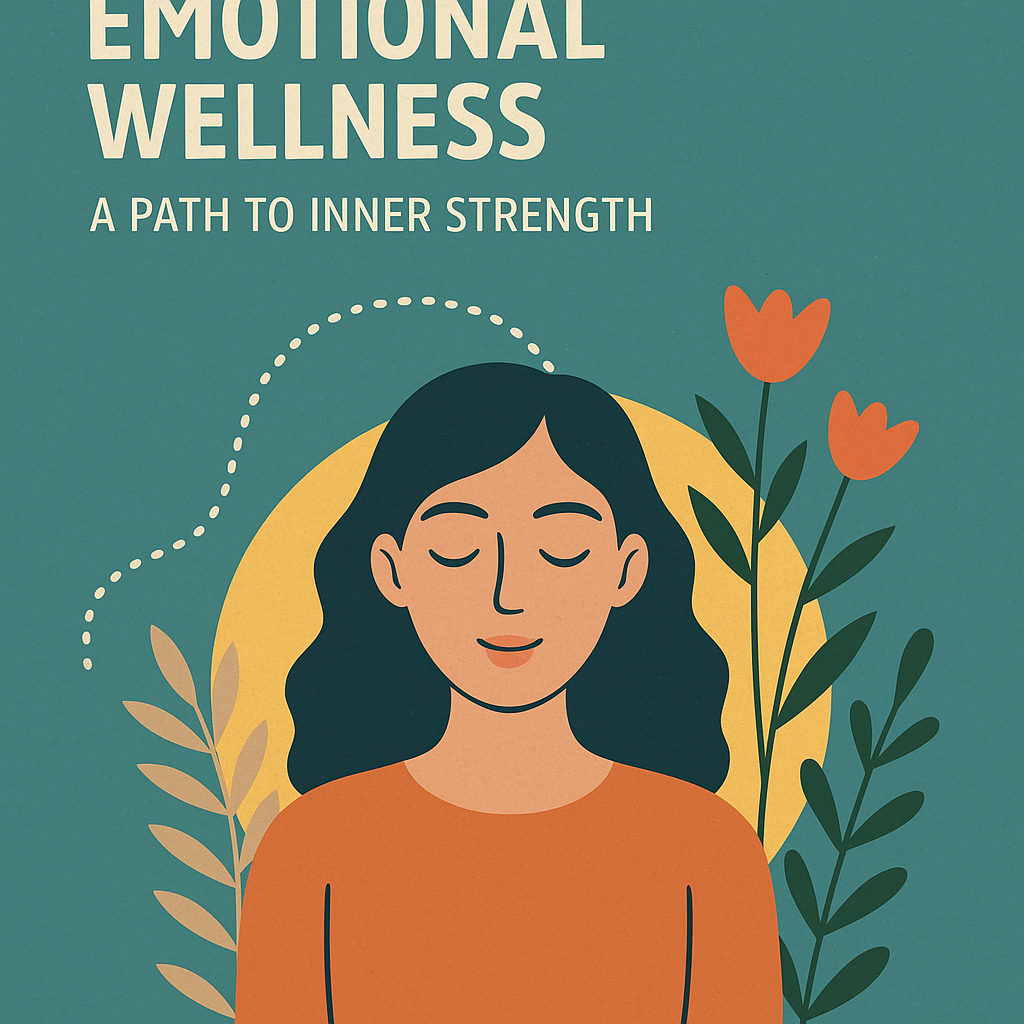
In today’s rapidly evolving and high-pressure society, the importance of mental health and emotional wellness has never been greater. As people juggle work, relationships, social obligations, and digital connectivity, many struggle with stress, anxiety, depression, and other psychological challenges. Mental health is no longer a private or stigmatized issue—it is a public health priority and a vital component of a balanced, fulfilling life.
What Is Mental Health?
Mental health encompasses our emotional, psychological, and social well-being. It affects how we think, feel, and act. It also influences how we handle stress, relate to others, and make decisions. Good mental health does not mean being happy all the time; it means being able to cope with life’s ups and downs, adapt to changes, and bounce back from adversity.
Emotional wellness, a key aspect of mental health, refers to the ability to manage emotions, express feelings appropriately, and maintain a positive mindset even during difficult times. Both mental and emotional health are crucial for our overall well-being, physical health, and productivity.
Common Mental Health Challenges
Mental health conditions are incredibly common. According to the World Health Organization (WHO), more than 1 in 8 people globally live with a mental disorder. These include anxiety disorders, depression, bipolar disorder, and schizophrenia. Other conditions, such as chronic stress, burnout, and emotional fatigue, may not be classified as mental illnesses but still affect a person’s daily functioning.
Modern life often intensifies these problems. Factors like social isolation, financial stress, workplace pressures, academic demands, and even constant exposure to negative news can weigh heavily on emotional stability. The rise of social media has also brought new challenges, such as comparison anxiety, cyberbullying, and digital addiction.
Why Emotional Wellness Matters
Emotional wellness plays a vital role in how we experience life. People with strong emotional health are better able to maintain relationships, communicate effectively, and manage conflicts. They are more resilient, optimistic, and self-aware. Emotional well-being is also closely linked to physical health. Chronic stress and unresolved emotional issues can lead to headaches, fatigue, heart disease, and weakened immunity.
On the other hand, nurturing emotional health boosts our ability to concentrate, make decisions, and pursue goals. It enhances creativity, motivation, and empathy—all of which are essential in both personal and professional life.
How to Promote Mental and Emotional Health
Improving mental health and emotional wellness requires consistent effort and lifestyle changes. Here are some effective strategies:
Self-awareness: Recognize your emotions, triggers, and patterns of thought. Journaling, mindfulness, and therapy can help increase self-understanding.
Talk about it: Don’t be afraid to speak about mental health. Open conversations with friends, family, or a professional can help break the stigma and offer support.
Physical activity: Regular exercise improves mood, reduces anxiety, and boosts self-esteem. Activities like walking, yoga, or dancing can make a significant difference.
Healthy habits: Adequate sleep, balanced nutrition, and limited use of alcohol or drugs contribute to a stable mental state.
Mindfulness and meditation: These practices help calm the mind, reduce stress, and promote emotional balance.
Seek professional help: Therapists, counselors, and support groups can offer tools and guidance for managing mental health issues.
Build supportive relationships: Surround yourself with people who uplift you and encourage open, honest communication.
Set realistic goals: Achievable personal and professional goals give you a sense of purpose and direction.
Mental Health in the Workplace and Schools
Organizations and educational institutions are increasingly recognizing the importance of mental health. Employee assistance programs, mental health days, flexible schedules, and stress management workshops are becoming more common. In schools, mental health education and counseling services are being introduced to help students cope with academic pressure and social issues.
By creating supportive environments and reducing stigma, we can encourage people to seek help early and avoid long-term consequences.
Breaking the Stigma
One of the biggest barriers to improving mental health globally is stigma. People often hide their struggles due to fear of judgment or misunderstanding. Public awareness campaigns, media representation, and open dialogue can help normalize mental health challenges. Just as we seek help for a broken bone or flu, seeking help for emotional or psychological pain should be seen as healthy and necessary.
Conclusion
Mental health and emotional wellness are essential parts of a healthy, fulfilling life. As individuals and societies, we must prioritize these aspects of well-being by recognizing the signs of distress, supporting one another, and embracing both preventative and therapeutic approaches. When we invest in our mental and emotional health, we not only improve our own lives but also contribute to a more compassionate, resilient, and connected world.
About the Creator
Keep reading
More stories from Anwar Jamil and writers in Chapters and other communities.
The Moment Before
The sky was unnaturally quiet. Even the birds seemed to know that something was coming. Ava Carter stood at the edge of the cliff, her boots pressing into the soft dirt as the wind tugged at her coat. The valley below looked peaceful — golden fields swaying, the river cutting like silver through the land — but inside her, everything was crashing.
By Anwar Jamil8 months ago in Chapters
The Future of Coding and AI
In the ever-evolving world of technology, the future of coding is undergoing a profound transformation driven by the rapid rise of artificial intelligence (AI). What was once the exclusive domain of human programmers is now becoming a dynamic partnership between humans and intelligent machines. As AI continues to advance, it’s not replacing coders, it’s redefining what it means to code.
By Gus Woltmann6 days ago in Chapters


Comments
There are no comments for this story
Be the first to respond and start the conversation.