
Majestic Trees That Start with E
Trees That Start With E
If you want to diversify your landscape, why not explore Trees That Start with the Letter E? These fascinating species offer many benefits, from aesthetic appeal to practical uses. Read on to find out some of the best varieties.
1. Eastern Redbud
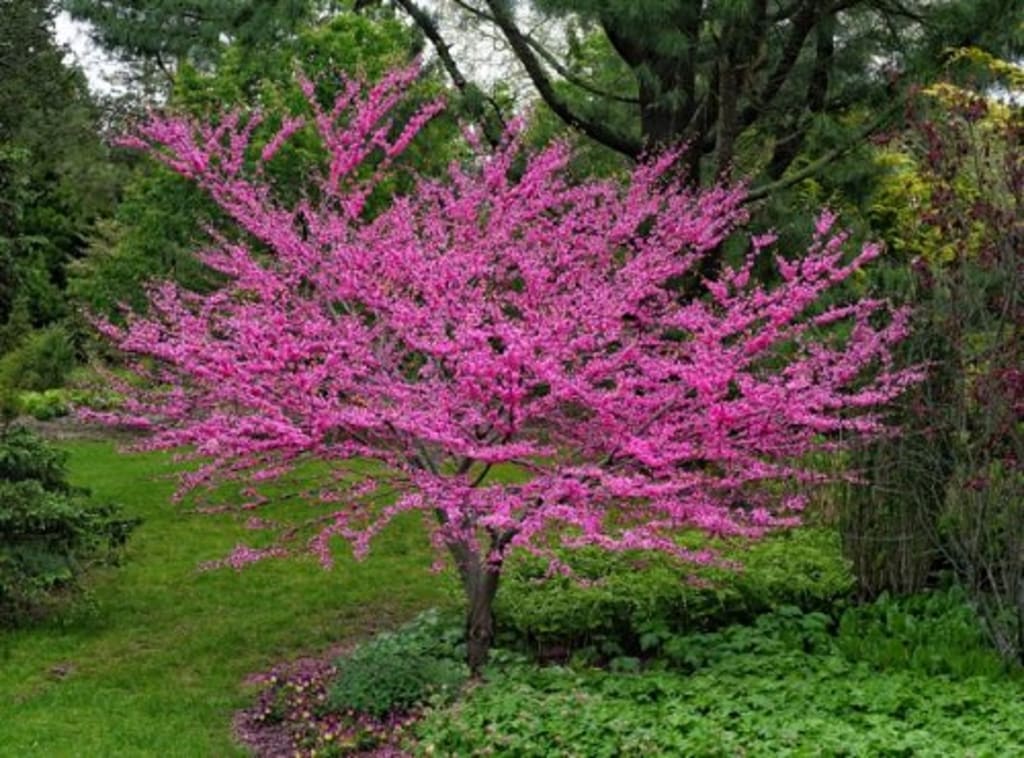
The Eastern Redbud, scientifically known as Cercis canadensis, is a striking deciduous tree native to North America, particularly thriving in the eastern and central parts of the continent. It's celebrated for its ornamental value, making it a beloved addition to gardens, parks, and urban landscapes.
Eastern Redbuds are characterized by their unique and captivating appearance. They typically grow to a height of 20 to 30 feet, with a spread of about 25 to 35 feet, forming a round to vase-shaped canopy. One of their most enchanting features is their early spring bloom of vibrant, magenta-pink to purplish-pink flowers, which emerge directly from the branches and trunk, creating a stunning display before the leaves appear. This display of flowers, which occurs in clusters, attracts pollinators like bees and butterflies, making it ecologically valuable.
The leaves of the Eastern Redbud are heart-shaped and alternate along the branches. They transition through various shades of green throughout the growing season and transform into vibrant yellow in the fall, providing multiple seasons of visual interest. The bark is dark and scaly, adding to the tree's aesthetic appeal.
In addition to its visual appeal, Eastern Redbuds are relatively easy to cultivate and maintain. They prefer well-drained soil and full to partial sunlight. Once established, they are generally drought-tolerant and low-maintenance, making them suitable for a wide range of landscapes.
Beyond their aesthetic value, Eastern Redbuds also offer environmental benefits. They provide habitat and food for wildlife, including birds and small mammals. Moreover, they contribute to soil stability and help mitigate erosion, making them ecologically important in their native regions.
In conclusion, the Eastern Redbud is a charismatic and versatile tree species that enhances the beauty of landscapes while offering ecological benefits. Its vibrant spring blossoms, heart-shaped leaves, and low-maintenance requirements make it a favored choice among gardeners and landscapers, showcasing the splendor of nature in both urban and natural settings.
2. English Oak
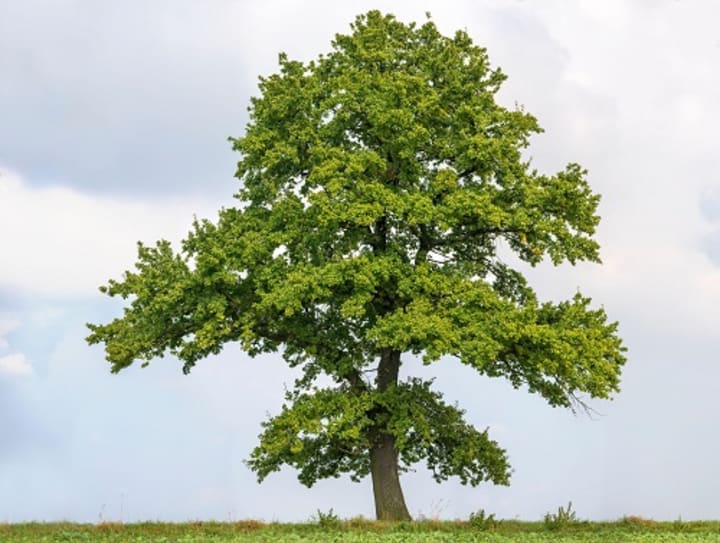
The English Oak, scientifically known as Quercus robur, is an iconic and revered deciduous tree species native to the British Isles and much of Europe. This majestic tree has played a significant role in the region's cultural, ecological, and historical landscape for centuries.
English Oaks are known for their impressive size, longevity, and distinctive characteristics. They can reach heights of up to 100 feet and have a wide, spreading canopy that provides ample shade. The leaves are lobed and have a glossy dark green color in the summer, turning various shades of brown in the autumn, creating a spectacular display of fall foliage. The bark is thick, rugged, and grayish-brown, adding to the tree's overall grandeur.
One of the most notable features of the English Oak is its acorns - small, oval-shaped nuts encased in a woody cup. These acorns are a vital food source for various wildlife species, including squirrels, deer, and birds, making the tree an essential component of many ecosystems. Furthermore, English Oaks provide nesting sites for numerous bird species and offer shelter to a variety of animals.
Historically and culturally, the English Oak holds a special place in the hearts of many. It has been a symbol of strength, endurance, and longevity. In England, it is often referred to as the "Majestic Oak" and is closely associated with folklore, myths, and legends. Its wood, known for its durability and hardness, has been used for centuries in shipbuilding, construction, and furniture-making.
The English Oak is also ecologically important for its role in carbon sequestration and oxygen production. As a long-lived species, it can store significant amounts of carbon throughout its lifetime, aiding in the fight against climate change. Additionally, its dense canopy contributes to cooling and shading, benefiting both local ecosystems and human communities.
In conclusion, the English Oak stands as a symbol of natural beauty, cultural heritage, and ecological significance. Its stately presence, valuable resources, and historical significance make it a cherished and integral part of the European landscape, embodying the enduring connection between people and the natural world.
About the Creator
Keep reading
More stories from Emily Gardenar and writers in Chapters and other communities.
Trees That Start With K
1.Kaki Tree The "Kaki" tree, scientifically known as Diospyros kaki, is more commonly referred to as the "Japanese persimmon" or simply "persimmon." It is a fruit-bearing tree native to China, Japan, and other parts of Asia. The persimmon is highly regarded for its delicious, sweet, and often honey-like flavor when fully ripe. Here's more about the Kaki tree:
By Emily Gardenar2 years ago in Chapters
Cassie and Johnny
I’m the kind of dame you notice. I’m no femme fatale, but you can’t ignore me, at least not until I warn you about what’s coming, then everybody ignores me. Hell, they usually blame me afterwards and give Johnny all the credit for saving the day, but my Johnny couldn’t save a seat at the movies without my help. Sure, he’s brawny, but brainy? Not so much. Like that time I asked him to spot me five bucks, and he said he didn’t see it anywhere on me, and believe you me, he looked but good.
By Harper Lewis7 days ago in Critique


Comments (1)
That's cool! Good job!