
Trees That Start With K
List of 25 Trees That Start with K
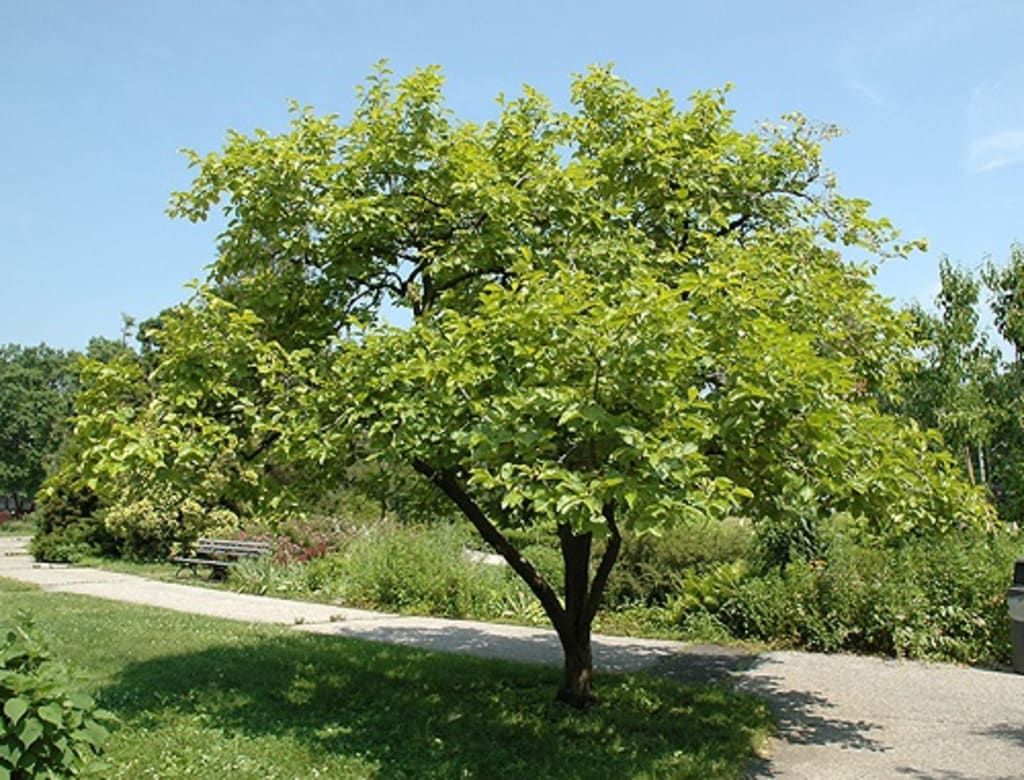
1.Kaki Tree
The "Kaki" tree, scientifically known as Diospyros kaki, is more commonly referred to as the "Japanese persimmon" or simply "persimmon." It is a fruit-bearing tree native to China, Japan, and other parts of Asia. The persimmon is highly regarded for its delicious, sweet, and often honey-like flavor when fully ripe. Here's more about the Kaki tree:
Tree Description: The Kaki tree is a deciduous tree that can reach heights of up to 30 feet (9 meters) or more. Its leaves are typically glossy, dark green, and oval-shaped, and they turn vibrant shades of red, orange, or yellow in the fall, making it an attractive ornamental tree.
Fruit: The most notable feature of the Kaki tree is its fruit, the persimmon. Persimmons are typically orange or reddish-orange when ripe and vary in size, depending on the variety. There are two main types of persimmons: astringent and non-astringent. Astringent persimmons are usually bitter and astringent until fully ripe, while non-astringent varieties can be eaten when still firm.
Culinary Uses: Persimmons are consumed fresh and are a popular ingredient in various dishes, desserts, and salads. They can also be used for making jams, jellies, and beverages. The fruit is not only delicious but also a good source of vitamins, particularly vitamin A and vitamin C, as well as dietary fiber.
Cultural Significance: Persimmons have cultural significance in Asian countries, often associated with good luck and prosperity. In some cultures, they are given as gifts during the New Year as a symbol of good fortune.
Growing Conditions: Kaki trees thrive in temperate climates with well-drained soil and full sun exposure. They are relatively low-maintenance and can produce abundant fruit with proper care.
In summary, the Kaki tree, or Japanese persimmon, is a remarkable fruit-bearing tree known for its sweet and flavorful fruit. Whether eaten fresh or incorporated into various culinary creations, persimmons are not only delicious but also hold cultural significance in many parts of the world.
2. KalumpangTree
The "Kalumpang" tree, scientifically known as Sterculia foetida, is a tropical tree species native to Southeast Asia and other parts of the world, particularly in countries like Indonesia, Malaysia, Thailand, and the Philippines. It belongs to the Sterculiaceae family and is also known by various other names, including "Java olive," "Wild Almond," and "Peanut Tree." Here's an overview of the Kalumpang tree:
Tree Description: The Kalumpang tree is a medium to large-sized tree that can grow up to 25 meters (80 feet) in height. It is deciduous, shedding its leaves during the dry season, and has a wide-spreading canopy with large, palmately compound leaves. The tree's distinctive feature is its large, woody fruit capsules that contain seeds.
Fruit: The fruit of the Kalumpang tree is a unique, pod-like capsule that resembles a peanut or almond. When mature, these capsules split open to reveal seeds surrounded by a fibrous, cotton-like material. The seeds are edible after proper preparation, although the raw seeds are known to have an unpleasant odor, which gives the tree its species name "foetida," meaning foul-smelling.
Cultural Uses: The Kalumpang tree has cultural significance in several regions. In Indonesia, the seeds are roasted and eaten as a snack, while the tree's wood is used for construction and making traditional musical instruments. In some cultures, the seeds are believed to have medicinal properties.
Ecological Importance: The Kalumpang tree is ecologically valuable as it provides shade and shelter for various wildlife. It is also known to be a nitrogen-fixing tree, which can improve soil fertility.
Conservation Status: While the Kalumpang tree is not considered globally endangered, deforestation and habitat loss in some areas threaten its populations. Conservation efforts are needed to protect this tree species and its ecological role.
In summary, the Kalumpang tree is a unique tropical tree known for its distinctive fruit capsules and its significance in various cultures. It plays a role in local economies, traditional practices, and ecological systems in the regions where it grows.

3. Korean Mountain Ash
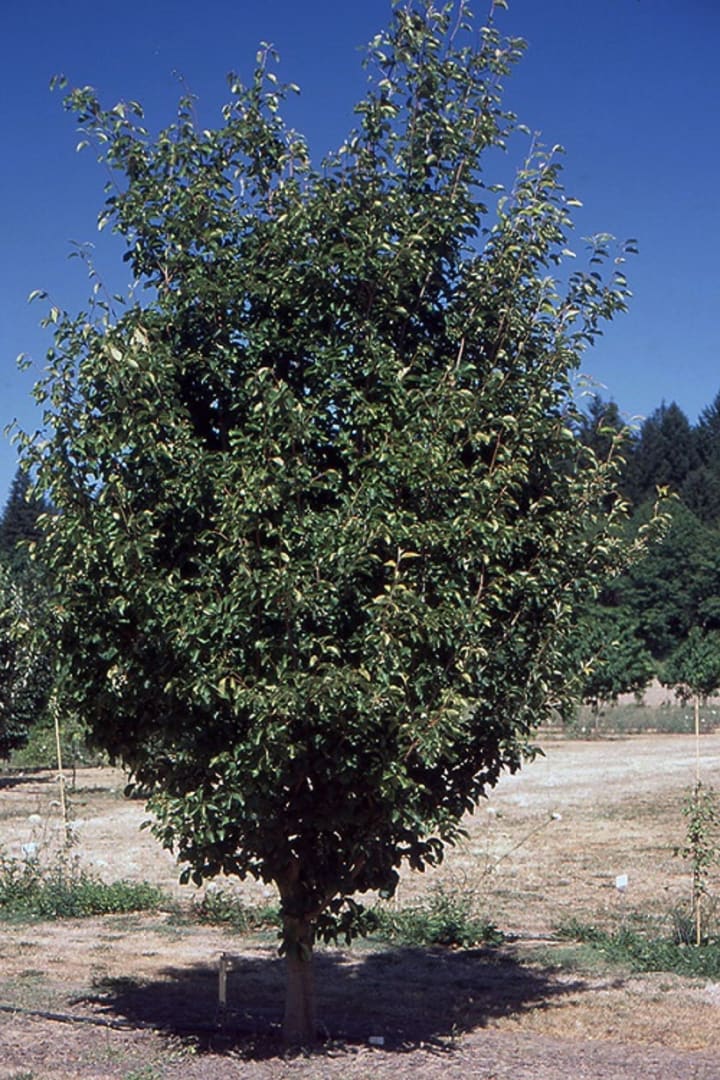
The Korean Mountain Ash, scientifically known as Sorbus alnifolia, is a deciduous tree species native to East Asia, including regions of Korea, China, Japan, and Russia. It is also commonly referred to as the Korean Whitebeam or Oriental Whitebeam. Here's an overview of the Korean Mountain Ash:
Tree Description: The Korean Mountain Ash is a small to medium-sized tree that typically grows to heights of 15 to 30 feet (4.5 to 9 meters). It has a rounded crown with pinnately compound leaves that turn vibrant shades of red, orange, or yellow in the fall, creating a striking display of autumn foliage.
Fruit: The tree produces clusters of small, berry-like fruits that are typically red or orange when ripe. These fruits are a valuable food source for birds and wildlife. In some regions, the berries are used for making jams and jellies.
Cultural Significance: In Korean culture, the Korean Mountain Ash tree holds significance as it is considered a symbol of longevity and vitality. It is also associated with protection from evil spirits and is sometimes planted near homes for these symbolic reasons.
About the Creator
Keep reading
More stories from Emily Gardenar and writers in Chapters and other communities.
“A Comprehensive List of 30 Plants That Start With ‘I’ for Your Garden”
Gardening doesn’t have to be ordinary; it can be extraordinary with a touch of innovation. If you’re looking to add a unique flair to your garden, why not consider incorporating plants that start with ‘I’? This diverse list features both indoor and outdoor specimens that not only enhance your garden’s aesthetic but also bring practicality to the forefront.
By Emily Gardenar2 years ago in Chapters
The Cave Part 6
If you have ever heard a tale about yourself that you cannot remember and doubtless think is made up, you will know how I felt when Tharkin related all that the eagle had seen of me before my memories were scattered. Of far distances and traveling companions that I did not recall, camping out under the stars and making our way to the mountains with deliberate purpose. The great bird had lost contact with my party once we entered the forests, and the seven other members were not seen again by him or his brethren since.
By Jamye Sharp15 days ago in Chapters
Review of 'Man on the Run'
My wife and I saw Man on the Run, a nearly 2-hour documentary on Amazon Prime, about Wings, Paul McCartney's group that flew around the world from shortly after The Beatles broke up in early 1970 to shortly after John Lennon was murdered at the end of 1980, making a Beatles reunion forever impossible.
By Paul Levinson2 days ago in Beat




Comments
There are no comments for this story
Be the first to respond and start the conversation.