
Lotus Seeds (Makhana): What They Are and Their Incredible Health Benefits
the health benefits of lotus seeds, also known as makhana
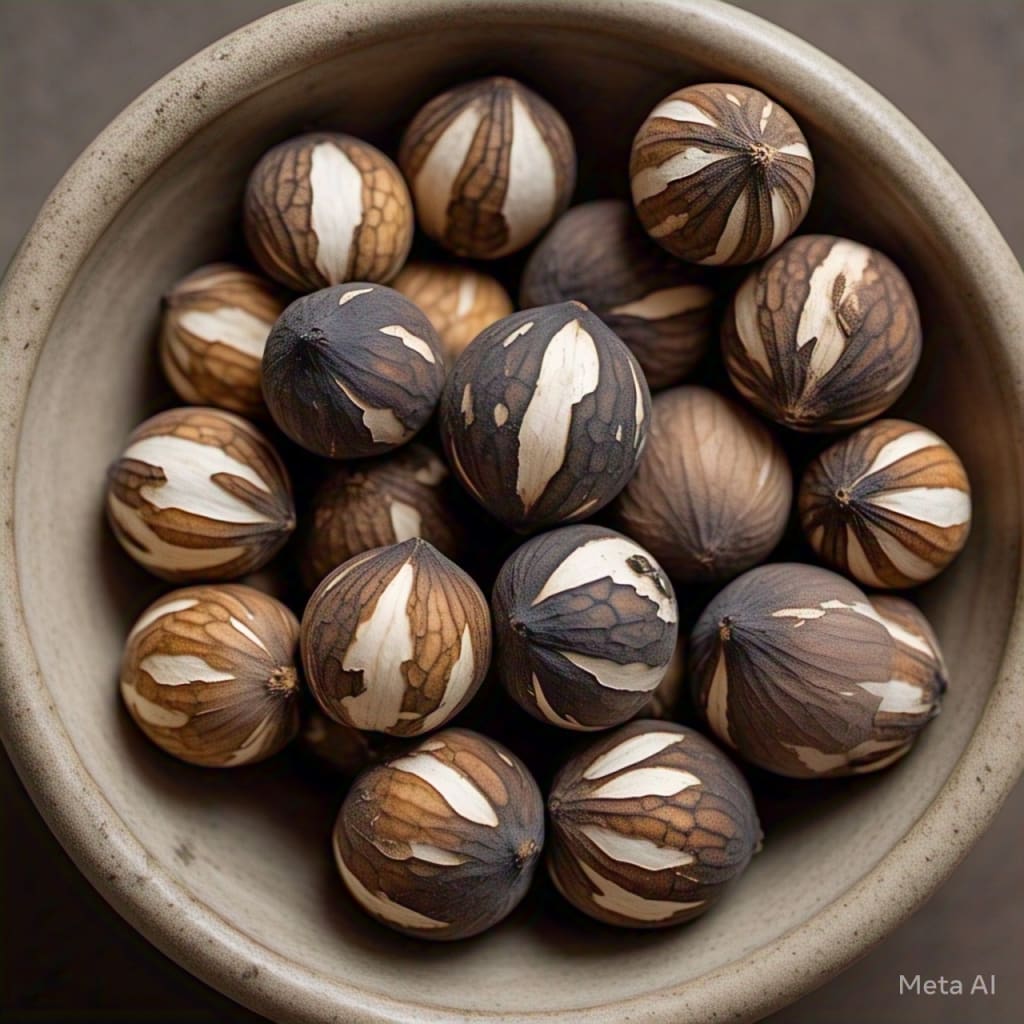
Have you ever heard of lotus seeds, also known as makhana or fox nuts? These tiny, puffy snacks are a staple in Indian households and are gaining popularity worldwide for their impressive health benefits. Whether you’re looking for a healthy snack, a gluten-free alternative, or a nutrient-packed addition to your meals, lotus seeds are a fantastic choice. In this blog, we’ll explore what lotus seeds are, their nutritional profile, and the many ways they can boost your health. Plus, we’ll share tips on how to incorporate them into your diet and answer some common questions about this underrated superfood.
What Are Lotus Seeds (Makhana)?
Lotus seeds, commonly known as makhana or fox nuts, are the seeds of the lotus flower (Nelumbo nucifera). They are harvested from the lotus plant, which grows in ponds and lakes, particularly in Asia. Once harvested, the seeds are dried and roasted to create the light, crunchy snack we know as makhana.
Lotus seeds have been used for centuries in Ayurvedic medicine for their healing properties. They are naturally gluten-free, low in calories, and packed with essential nutrients, making them a perfect snack for health-conscious individuals.
Nutritional Profile of Lotus Seeds
Lotus seeds are a nutritional powerhouse. Here’s what makes them so special:
•Low in Calories: A 100-gram serving contains only about 350 calories, making them a guilt-free snack.
•High in Protein: They provide a good amount of plant-based protein, essential for muscle repair and growth.
•Rich in Fiber: Lotus seeds are high in dietary fiber, which supports digestion and keeps you full longer.
•Packed with Antioxidants: They contain antioxidants that help fight inflammation and oxidative stress.
•Gluten-Free: Perfect for those with gluten intolerance or celiac disease.
•Low Glycemic Index: Ideal for managing blood sugar levels.
Health Benefits of Lotus Seeds (Makhana)
1. Supports Weight Loss
Lotus seeds are low in calories and high in fiber, making them an excellent snack for weight management. They keep you full for longer, reducing the urge to overeat.
2. Improves Digestion
The high fiber content in lotus seeds promotes healthy digestion and prevents constipation. They also have a cooling effect on the body, which can soothe digestive issues.
3. Boosts Heart Health
Lotus seeds are low in cholesterol and saturated fats, making them heart-friendly. They also contain magnesium, which helps regulate blood pressure and supports cardiovascular health.
4. Manages Blood Sugar Levels
With a low glycemic index, lotus seeds are a great snack for people with diabetes. They help stabilize blood sugar levels and prevent spikes.
5. Rich in Antioxidants
Lotus seeds are packed with antioxidants like kaempferol, which fight free radicals and reduce inflammation in the body.
6. Promotes Healthy Skin
The antioxidants and anti-inflammatory properties of lotus seeds help improve skin health, reducing acne and promoting a glowing complexion.
7. Supports Bone Health
Lotus seeds are a good source of calcium and magnesium, which are essential for maintaining strong bones and preventing osteoporosis.
How to Use Lotus Seeds (Makhana) in Your Diet
Lotus seeds are incredibly versatile and can be enjoyed in many ways:
-Roasted Makhana: Lightly roast them with a sprinkle of salt or spices for a healthy snack.
- Curry: Add them to curries for a unique texture and flavor.
-Makhana Kheer: Use them to make a delicious and nutritious dessert.
-Trail Mix: Combine roasted makhana with nuts and dried fruits for a protein-packed snack.
-Soups and Salads: Add them to soups or salads for extra crunch and nutrition.
Tips for Buying and Storing Lotus Seeds
•Buying: Look for clean, unbroken, and evenly roasted makhana. Avoid those with a burnt smell or discoloration.
•Storing: Store in an airtight container in a cool, dry place to maintain freshness.
FAQs About Lotus Seeds (Makhana)
1. Are lotus seeds good for weight loss?
Yes! They are low in calories, high in fiber, and keep you full for longer, making them ideal for weight loss.
2. Can diabetics eat lotus seeds?
Absolutely. Lotus seeds have a low glycemic index and help manage blood sugar levels.
3. Are lotus seeds gluten-free?
Yes, they are naturally gluten-free and safe for people with celiac disease or gluten intolerance.
4. How do I roast lotus seeds at home?
Heat a pan, add a teaspoon of ghee or oil, and roast the seeds on low heat until they become crisp. Add salt or spices for flavor.
5. Can I eat lotus seeds during pregnancy?
Yes, lotus seeds are safe and nutritious for pregnant women. However, consult your doctor before making any dietary changes.
About the Creator
Anu Singh
I am an engineer converted to a content writer.
I love to write on Life skills, motivational topics, teens wellbeing, Art & Style, Good health , Interview Skills, Finance, AI Tools , Astrology Calculators
Fair Exchange, No Robberies
Dark Memoirs - Index There are at least two kinds of people in the world: those who write this half-arsed kind of intro to a story that looks to separate the rare and the norm, and those who realise it's an overused framing device and don't.
By Paul Stewart15 days ago in Chapters



Comments
There are no comments for this story
Be the first to respond and start the conversation.