
Best Seeds for Gut Health: How Chia, Flax, and Pumpkin Seeds Can Transform Your Digestion
Nourish your gut, nourish your body: Discover the best seeds for optimal digestive health.
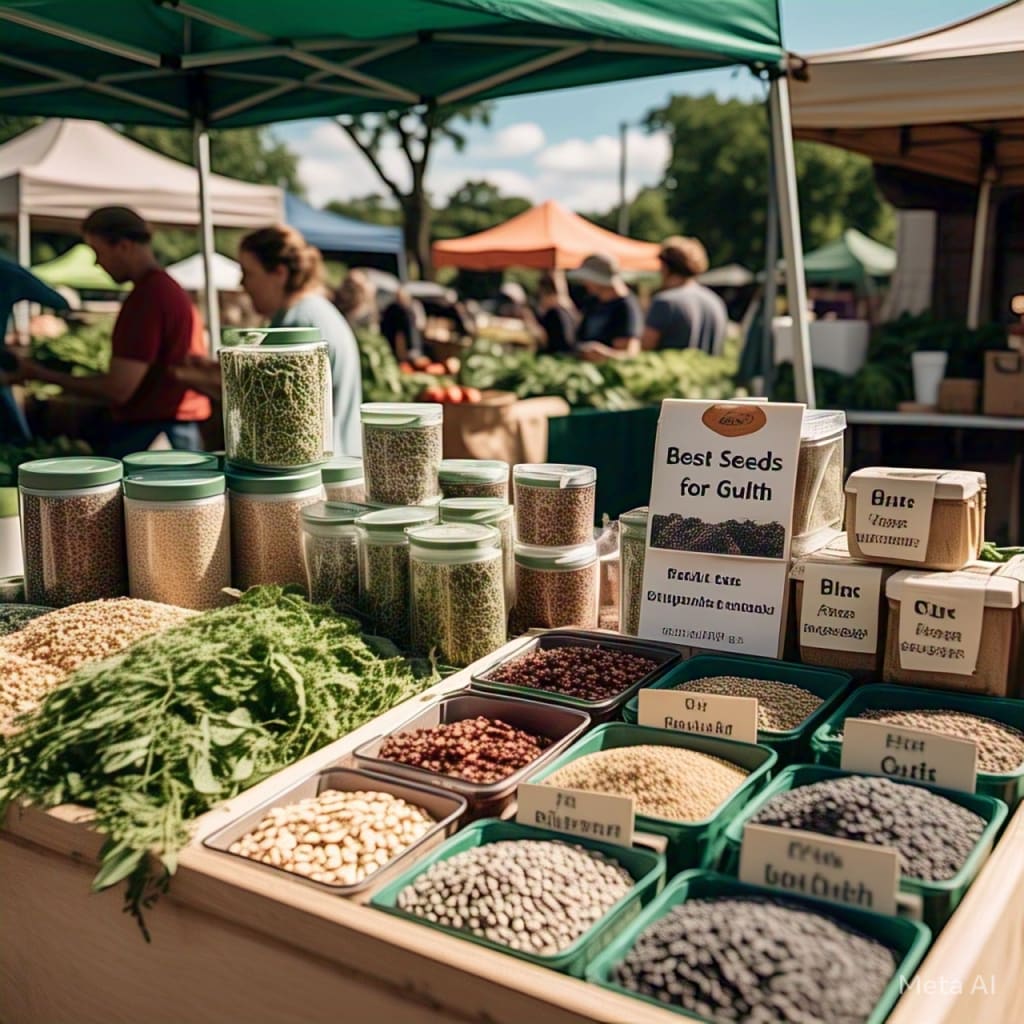
A healthy gut is the cornerstone of overall well-being, and what you eat plays a crucial role in maintaining it. Among the many gut-friendly foods, seeds stand out as tiny nutritional powerhouses that can work wonders for your digestive system. In this blog, we’ll explore how chia, flax, and pumpkin seeds can boost your gut health, improve digestion, and keep your microbiome thriving. Plus, we’ll share easy ways to incorporate these seeds into your diet and answer some common questions about their benefits.
Why Seeds Are Great for Gut Health
Seeds are packed with fiber, healthy fats, and essential nutrients that support a healthy digestive system. They act as prebiotics, feeding the good bacteria in your gut, and help regulate bowel movements, reduce inflammation, and promote overall gut health. Let’s take a closer look at three of the best seeds for gut health: chia, flax, and pumpkin seeds.
1. Chia Seeds: The Fiber Powerhouse
Chia seeds are a favorite among health enthusiasts, and for good reason. These tiny seeds are loaded with fiber, which is essential for a healthy digestive system.
Benefits for Gut Health:
High in soluble fiber, which forms a gel-like substance in the gut, promoting regular bowel movements.
Acts as a prebiotic, feeding the beneficial bacteria in your gut.
Helps reduce inflammation in the digestive tract.
How to Use: Add chia seeds to smoothies, yogurt, or oatmeal, or make chia pudding by soaking them in milk or water overnight.
2. Flaxseeds: The Digestive Regulators
Flaxseeds are another excellent choice for gut health. They’re rich in both soluble and insoluble fiber, making them a natural remedy for digestive issues.
Benefits for Gut Health:
Promotes regular bowel movements and prevents constipation.
Reduces inflammation in the gut, which can help with conditions like irritable bowel syndrome (IBS).
Supports the growth of good bacteria in the gut microbiome.
How to Use: Sprinkle ground flaxseeds on salads, oatmeal, or baked goods, or mix them into smoothies.
3. Pumpkin Seeds: The Gut-Healing Superstars
Pumpkin seeds might surprise you with their gut health benefits. These green seeds are packed with magnesium, zinc, and fiber, all of which support a healthy digestive system.
Benefits for Gut Health:
Rich in fiber, which aids digestion and prevents bloating.
Contains magnesium, which helps relax the digestive tract and reduce cramping.
Supports the gut lining and reduces inflammation.
How to Use: Enjoy pumpkin seeds as a snack, or add them to salads, soups, or trail mix.
How These Seeds Work Together for Gut Health
•Fiber Content: All three seeds are high in fiber, which is essential for maintaining regular bowel movements and feeding the good bacteria in your gut.
•Anti-Inflammatory Properties: The omega-3 fatty acids in chia and flaxseeds, along with the magnesium in pumpkin seeds, help reduce inflammation in the digestive tract.
•Prebiotic Effects: These seeds act as prebiotics, promoting the growth of beneficial gut bacteria and supporting a balanced microbiome.
Easy Ways to Incorporate These Seeds into Your Diet
•Smoothies: Blend chia, flax, or pumpkin seeds into your favorite smoothie for a fiber boost.
•Yogurt or Oatmeal: Sprinkle seeds on top of yogurt or oatmeal for added crunch and nutrition.
•Baking: Add seeds to muffins, bread, or energy bars for a gut-friendly snack.
•Salads: Toss seeds into salads for extra texture and health benefits.
•Snacks: Enjoy pumpkin seeds as a standalone snack or mix them with nuts and dried fruit for a trail mix.
Tips for Maximizing the Benefits of Seeds
•Grind Flaxseeds: Ground flaxseeds are easier to digest and absorb than whole seeds.
•Soak Chia Seeds: Soaking chia seeds in water or milk helps them form a gel-like consistency, which is great for digestion.
•Store Properly: Keep seeds in an airtight container in the fridge to prevent them from going rancid.
•Start Small: If you’re new to seeds, start with small amounts and gradually increase to avoid bloating.
FAQs About Seeds and Gut Health
1. How much seeds should I eat daily for gut health?
Aim for 1-2 tablespoons of seeds per day to support gut health.
2. Can I eat seeds if I have digestive issues like IBS?
Yes, but start with small amounts and monitor how your body responds. Flaxseeds and chia seeds are often well-tolerated.
3. Do seeds need to be ground for better digestion?
Flaxseeds should be ground for better absorption, but chia and pumpkin seeds can be eaten whole.
4. Can seeds cause bloating?
In some people, seeds may cause bloating if consumed in large amounts. Start with small portions and drink plenty of water.
5. Are seeds gluten-free?
Yes, chia, flax, and pumpkin seeds are naturally gluten-free.
About the Creator
Anu Singh
I am an engineer converted to a content writer.
I love to write on Life skills, motivational topics, teens wellbeing, Art & Style, Good health , Interview Skills, Finance, AI Tools , Astrology Calculators
Search for a Sister, Chapter Two
4-H-N heard not a word about her secret mission around Headquarters over the following days, so had to conclude either Mini-Flash Phytolith hadn’t been listening in after all, or she’d misjudged him. She hoped it was the latter, as she wanted the pair of them to get on, even if he wasn’t going out of his way to make it easy for her.
By Doc Sherwood20 days ago in Chapters
Wild Card Weekend Recap: What Happens Now?
I think I figured out why I love Wild Card Weekend so much. It's because it's the first playoff anything of the calendar year. The NFL season starts in the fall, and once upon a time, the champion was crowned either on or slightly before New Year's. The evolution of the NFL schedule has resulted in the playoffs starting just into the New Year, and currently, the final week of the season falls on the first weekend of the New Year, with Wild Card Weekend coming a week after that. So yes, chronologically, the NFL's Wild Card Weekend serves as the first playoff anything of the calendar year.
By Clyde E. Dawkins7 days ago in Unbalanced




Comments
There are no comments for this story
Be the first to respond and start the conversation.