
How Septic Tanks Work: A Step-by-Step Breakdown
Everything You Need to Know About Septic Tanks and How to Care for Them

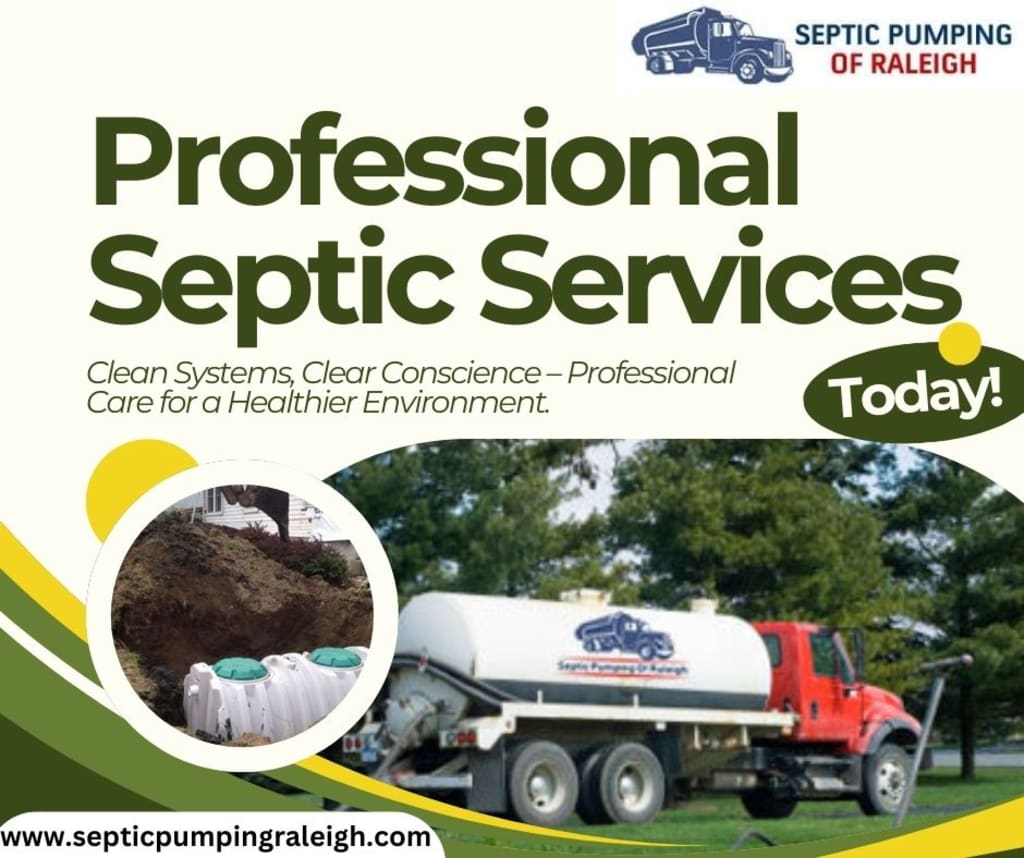
Septic tanks play an important role in managing wastewater in homes, especially in rural or suburban areas where homes aren't connected to a municipal sewage system. If you’re unfamiliar with how septic systems work, you might not realize just how much care and maintenance they need to function properly.
In this article, we’ll explain exactly how septic tanks work, their purpose, and how you can maintain them to avoid costly repairs. We’ll also highlight why regular septic pumping is crucial and why Septic Pumping of Raleigh is the best choice for residents in areas like Garner, Apex, Chapel Hill, and other parts of North Carolina.
What is a Septic Tank?
A septic tank is an underground system that is used to treat and manage the wastewater that flows from your home. Wastewater includes everything from the water used in sinks, showers, and toilets to water from washing machines and dishwashers. The septic tank holds and treats this wastewater before releasing it back into the environment.
For homes that aren’t connected to a municipal sewage system, septic tanks are a key component of the home’s plumbing. They work quietly and efficiently out of sight, handling waste and keeping your plumbing system in good working order. However, septic systems do require regular maintenance to avoid problems like backups, blockages, or overflow.
How Do Septic Tanks Work? A Step-by-Step Breakdown
To better understand how a septic tank operates, let’s break down the process into simple steps.
1. Wastewater Enters the Septic Tank
All the wastewater from your home—whether from toilets, sinks, showers, or washing machines—flows through the drain pipes into the septic tank. This tank is typically a large, watertight container made from concrete, fiberglass, or polyethylene. It’s buried underground, usually in the yard, and serves as the first step in wastewater treatment.
2. Separation of Solids, Liquids, and Scum
Once the wastewater enters the tank, it begins to separate into three layers:
Solids (Sludge): Heavier particles, such as human waste, food particles, and other solid materials, sink to the bottom of the tank. This forms what’s called "sludge."
Liquids (Effluent): The middle layer consists mostly of water and other liquids. This is the wastewater that will eventually leave the tank and be sent to the drain field.
Scum: Lighter materials such as grease, oils, fats, and soap float to the top of the tank and form a layer known as "scum."
This separation is essential for effective treatment. The solids stay in the tank, while the liquids move out into the next part of the system.
3. Natural Breakdown of Waste
The septic tank is home to naturally occurring bacteria. These bacteria help break down some of the solid waste, turning it into gases and liquid. However, not all solids can be broken down by bacteria, which is why regular septic tank pumping is necessary to remove the accumulated sludge. Without this maintenance, the tank could fill up and cause a system failure.
4. Effluent Discharge to the Drain Field
After the solids have settled and the liquid waste has been partially treated, the remaining effluent (liquid waste) exits the septic tank through an outlet pipe. This effluent is then distributed into the drain field, also known as a leach field.
The drain field consists of a network of perforated pipes laid in gravel-filled trenches. The liquid is slowly released into the soil, where it is further filtered by natural processes. The soil helps remove remaining impurities and bacteria, ensuring the water is safe to return to the groundwater.
5. Final Treatment in the Soil
As the effluent moves through the soil, it’s further treated by soil organisms and bacteria, which work to purify the water. By the time the wastewater reaches the groundwater, it has been effectively filtered and is free from most harmful contaminants. This is an essential process that prevents pollution and ensures that the water released back into the environment is clean and safe.
Why Regular Maintenance is Important for Your Septic Tank
While septic tanks can last for many years when properly maintained, neglecting your system can lead to expensive repairs and major problems. One of the most common issues is the buildup of sludge and scum in the tank, which can reduce the tank’s capacity and lead to plumbing backups or overflow.
Here are some simple ways to maintain your septic tank and avoid costly issues:
Tips for Keeping Your Septic Tank Healthy
Regular Pumping: One of the most important maintenance tasks for your septic system is regular pumping. Over time, sludge accumulates at the bottom of the tank and needs to be removed. Depending on the size of your tank and the number of people in your household, most tanks should be pumped every 3-5 years. If you’re in the Garner, Apex, or Chapel Hill areas, Septic Pumping of Raleigh offers reliable septic tank pumping services to keep your system running smoothly.
Avoid Flushing Non-Biodegradable Items: Only human waste and toilet paper should be flushed down the toilet. Items like baby wipes, feminine hygiene products, diapers, and harsh chemicals can damage the tank, harm the bacteria, and cause blockages.
Conserve Water: Excess water use can overload your septic system. Avoid running multiple loads of laundry at once, fix leaking faucets, and install low-flow showerheads and toilets to reduce water usage.
Protect the Drain Field: The drain field is an essential part of the septic system, and it’s important to keep it in good condition. Avoid driving over the drain field or placing heavy machinery on it, as this can crush the pipes. Also, make sure to plant trees and shrubs at a safe distance to prevent their roots from growing into the pipes.
Watch for Warning Signs: Be mindful of signs that something might be wrong with your septic system. These can include slow-draining sinks, foul odors in your yard, or pools of water near the drain field. If you notice any of these signs, it’s crucial to get your system inspected before the issue gets worse.
Why Choose Septic Pumping of Raleigh?
If you’re in Garner, Apex, Chapel Hill, or nearby areas, keeping your septic system in top shape is essential for avoiding costly repairs and ensuring your home’s plumbing works as it should. At Septic Pumping of Raleigh, we specialize in all aspects of septic tank care, from installation to regular maintenance and repairs.
Our team of experts provides reliable, efficient septic services, including custom repairs, inspections, and complete system overhauls. We understand the importance of maintaining your septic system, and we’re committed to providing the highest level of service in North Carolina.
Whether you need septic pumping in Garner, Apex, or Chapel Hill, you can count on us for professional, affordable services.
Conclusion
Understanding how your septic tank works is the first step in maintaining it properly. Regular maintenance—like septic pumping—is crucial to prevent clogs, backups, and costly repairs. By following simple steps like conserving water, avoiding harmful chemicals, and having your system pumped on schedule, you can extend the life of your septic tank and ensure it works effectively for years to come.
If you're in Garner, Apex, Chapel Hill, or surrounding areas, Septic Pumping of Raleigh is here to help with all your septic system needs. With our experience and dedication to customer satisfaction, you can trust us to keep your septic system in excellent condition.
About the Creator
Septic Pumping Raleigh
Septic Pumping Raleigh has experienced technicians offer reliable septic tank pumping, cleaning, inspection, repair, and maintenance services in Raleigh, Durham, Chapel Hill, Apex, Cary, we are best Septic Pumping Garner service providers.
Keep reading
More stories from Septic Pumping Raleigh and writers in Chapters and other communities.
Benefits of Professional Septic Pumping for Apex Residences
Septic systems are an essential part of any home, particularly in areas where access to municipal sewer systems is limited. For homeowners in Apex, NC, maintaining a healthy septic system is crucial to ensuring a safe and efficient home environment.
By Septic Pumping Raleigh2 years ago in Earth
The Cave Part 6
If you have ever heard a tale about yourself that you cannot remember and doubtless think is made up, you will know how I felt when Tharkin related all that the eagle had seen of me before my memories were scattered. Of far distances and traveling companions that I did not recall, camping out under the stars and making our way to the mountains with deliberate purpose. The great bird had lost contact with my party once we entered the forests, and the seven other members were not seen again by him or his brethren since.
By Jamye Sharp28 days ago in Chapters




Comments
There are no comments for this story
Be the first to respond and start the conversation.