
How do doctors determine what stage of cancer you have?
Cancer stages
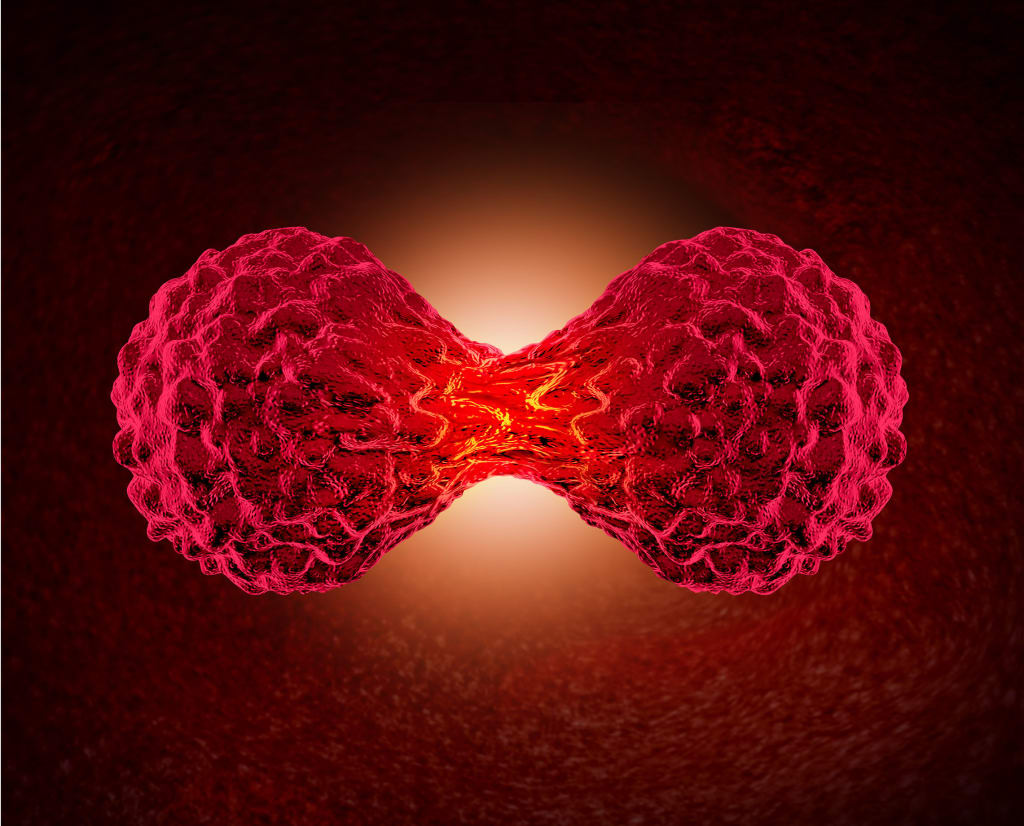
Each year, approximately 20 million
people across the world receive a cancer diagnosis. At this overwhelming,
and often scary time, a patient usually learns
their cancer’s stage, which is typically a number,
ranging from 1 to 4. While staging is designed in part
to help patients better understand what they’re facing, extracting this information
from a simple number can be confusing
and less than straightforward. So, what do cancer stages actually mean? To understand stage numbers, we first need to unpack
the three variables that inform it. Doctors utilize a system which uses
the letters T, N, and M to describe a tumor’s size, its presence in the immune system’s
lymph nodes, and whether it has metastasized,
or spread, to other organs. Arriving at this letter staging
takes thorough investigation— physicians will consider a person’s
symptoms and overall health, and may sample, or biopsy,
cancerous tissue, order medical scans,
and analyze blood tests. The T designation is usually
a number between 1 to 4, and is, in most cases,
based on tumor size. But each type of cancer has
its own T staging criteria. Five-centimeter-wide tumors are labeled
as T3 in oral cancers, but T2 in breast cancers. And some cancers use
other staging criteria, like esophageal cancers, which are staged
based on how deeply the tumor invades the layers of tissue. To assign an N stage, doctors evaluate the lymph nodes
through biopsies and imaging. Cancer cells tend to break off
from the initial tumor and spread. They often travel through the
lymphatic system— a network of vessels and nodes, which filter waste and harbor cells
that help fight infection. Cancers that spread to larger,
more distant, or a greater number of lymph nodes
typically file into higher N stages. M staging involves a more threatening
category of cancers’ spread— when diseased cells scatter and then
settle on other organs or on bones. Historically, this stage has been
a matter of just “yes” or “no,” because once a cancer has metastasized,
it’s considered to be much more lethal. But advances in treatment have recently
prompted the medical community to rethink the M stage as a continuum. Doctors now consider the number of organs
in which the cancer has spread, as well as the abundance and
characteristics of the metastatic tumors. All sorts of combinations
of T, N, and M are possible, and one letter doesn't always
follow the other. For example, some head and neck cancers
will test positive in the lymph nodes N1 with no clear initial tumor,
or T0. So how do these three variables inform
a cancer's stage number? Each TNM combination correlates
to a different overall stage, ordered by how difficult
the cancer is to treat. This sorting is rigidly defined
for each type of cancer, based on generations of research looking
at how cancers with different spreads and characteristics tend to behave. Importantly, what a certain overall stage
means varies from cancer to cancer. For example, a T3N1M0 combination
for a breast cancer is considered stage 3 and carries
an 85% five-year survival rate. A pancreatic cancer with this same
TNM combination, however, is sorted to stage 2,
and yet is more difficult to treat with a 15% survival rate. The system is intricate—
and ever-changing. For instance, someone with a stage 4
throat tumor in 2017, might be considered stage 1
just one year later. The cancer didn’t improve;
the staging system did. Experts realized that a subset
of these advanced cancers responded to existing treatment
better than others, so their staging was downgraded. Similar discoveries and advancements
in the genetic testing of tumors are refining staging in breast, prostate,
and gynecological cancers. Meanwhile, breakthroughs in therapies can
change things seemingly overnight. Many cancers one considered
near impossible to treat are now met with high rates of remission. And thanks to improvements in screenings, more and more cancers are being
discovered at early stages. So while many will deal
with the reality of cancer, either for themselves,
or through the diagnosis of a loved one, these advances offer better treatments,
more targeted cures, and greater hope for the years to come.
About the Creator
Keep reading
More stories from TBH Agencia Exclusiva Colsanitas and writers in Chapters and other communities.




Comments
There are no comments for this story
Be the first to respond and start the conversation.