
Why fish are better at breathing than you are
Fish are better at breathing than you are
In 2019, Eliud Kipchoge finished
a Vienna marathon in one hour, 59 minutes, and 40 seconds. This staggering time broke
the two-hour barrier that most runners previously
deemed impossible. However, some researchers
weren't as surprised. Recent studies investigating if humans
could maintain such a high pace for the length of a marathon
had found that elite runners can take in twice as much oxygen
as non-runners. And it’s likely that this superhuman
ability played a role in Eliud’s victory. But when it comes
to breathing efficiently, not even the best runners in the world
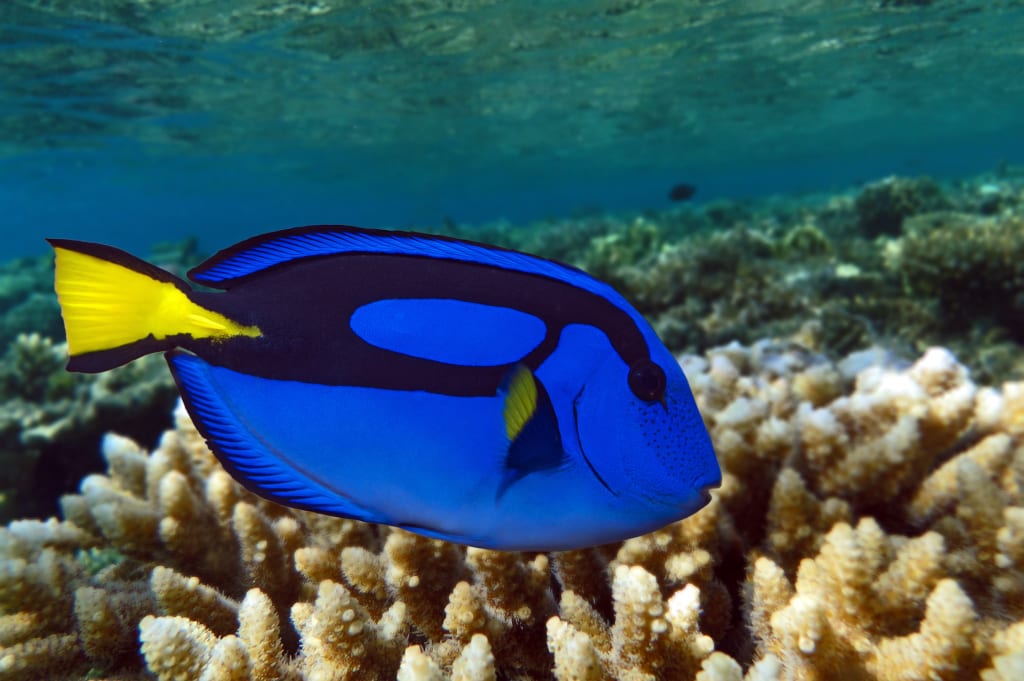
can compete with the average fish. That’s right— you’re looking at some
of the best breathers on Earth; which actually makes sense when you
consider how little oxygen there is in their aquatic environments. Fish can breathe in a variety of ways, but the most common
is through the use of gills. These branching organs typically
come in four pairs, all enclosed in gill chambers. These chambers are protected
by opercle, or gill covers, which are just as essential to underwater
breathing as the gills themselves. When most fish take a breath, they first close these covers
and take a gulp of water. Then, they open their opercle, creating a pressure differential
that pulls water through the gills, which are composed of thread-like
filaments spaced evenly along a gill arch. These filaments are covered in countless
small blood vessels called capillaries, in addition to tiny extensions
known as gill lamellae which further increase
the gill’s surface area. When water passes over these capillaries, the membrane is thin enough
for the fish’s red blood cells to pull dissolved oxygen from the water
into the bloodstream. And just like when we breathe
with our lungs, this process releases carbon dioxide, which passes out into the water
through the open gill cover. This technique only works underwater— on the surface, the pressure differential
created by opening and closing gill covers isn’t strong enough to pull
in sufficient air. But under the surface,
it’s remarkably efficient. Inside the lamellae, blood flows
in the opposite direction to the water, creating a counter-current system
that optimizes gas exchange. In fact, gills can absorb roughly 75%
of the oxygen passing through them; that’s twice the percentage of oxygen
our lungs extract from a breath of air. Fish also breathe much more frequently
than we do. The average adult human breathes
12 to 18 times a minute, while most fish pull water
over their gills anywhere from 20 to 80 times a minute. Those numbers would raise
even a marathoner’s eyebrows. Thanks to this fast, frequent,
and efficient breathing fish process far more oxygen than we do. It's also why some species
can live at great depths. Bodies of water get most
of their oxygen from the surface, where O2 dissolves into the water
and begins circulating. But further down, there are
oxygen minimum zones, with concentrations as low as
0.5 milligrams of oxygen per liter. To get the oxygen they need, fish living at these depths rely
on increased gill ventilation and hearts that pump high volumes of
oxygenated blood throughout the body. Even with these tricks, sometimes there's
still not enough oxygen to go around, forcing fish to adapt
more extreme solutions. For example, the Australian lungfish
lives in a habitat where the water level drops precipitously
in August and September, making it almost impossible
to survive with gills alone. Fortunately, these fish
have gills and lungs. Using their long, thin limbs, they can lift their mouths above the
surface and take deep breaths of air, allowing them to survive out of the water
for several days. And other species of lungfish can survive
above ground even longer in cocoons of mud and mucus. Fortunately, for most fish these extreme
adaptations aren’t necessary. After all, 71% of Earth is covered in H2O, giving these aquatic animals plenty
of room to flaunt their gills’ skills.
About the Creator
Keep reading
More stories from TBH Agencia Exclusiva Colsanitas and writers in Chapters and other communities.
I was in a Toxic Relationship, with my Workplace
“You got that?” My ex yelled. His hands were balled into fists at his side. At six foot three, he towered over me. A normal person would have been afraid, but I looked up a video of George Lopez repeatedly saying, “I got this,” and showed it to him. I had grown used to this treatment, so much so that I didn’t blink when he ripped the phone from my hand and threw it across the room.
By Jade M.6 days ago in Confessions




Comments
There are no comments for this story
Be the first to respond and start the conversation.