
How Chia Seeds Boost Gut Health: A Simple Guide to a Happier Digestive System
Nourish your gut, nourish your body: The incredible benefits of chia seeds for gut health.
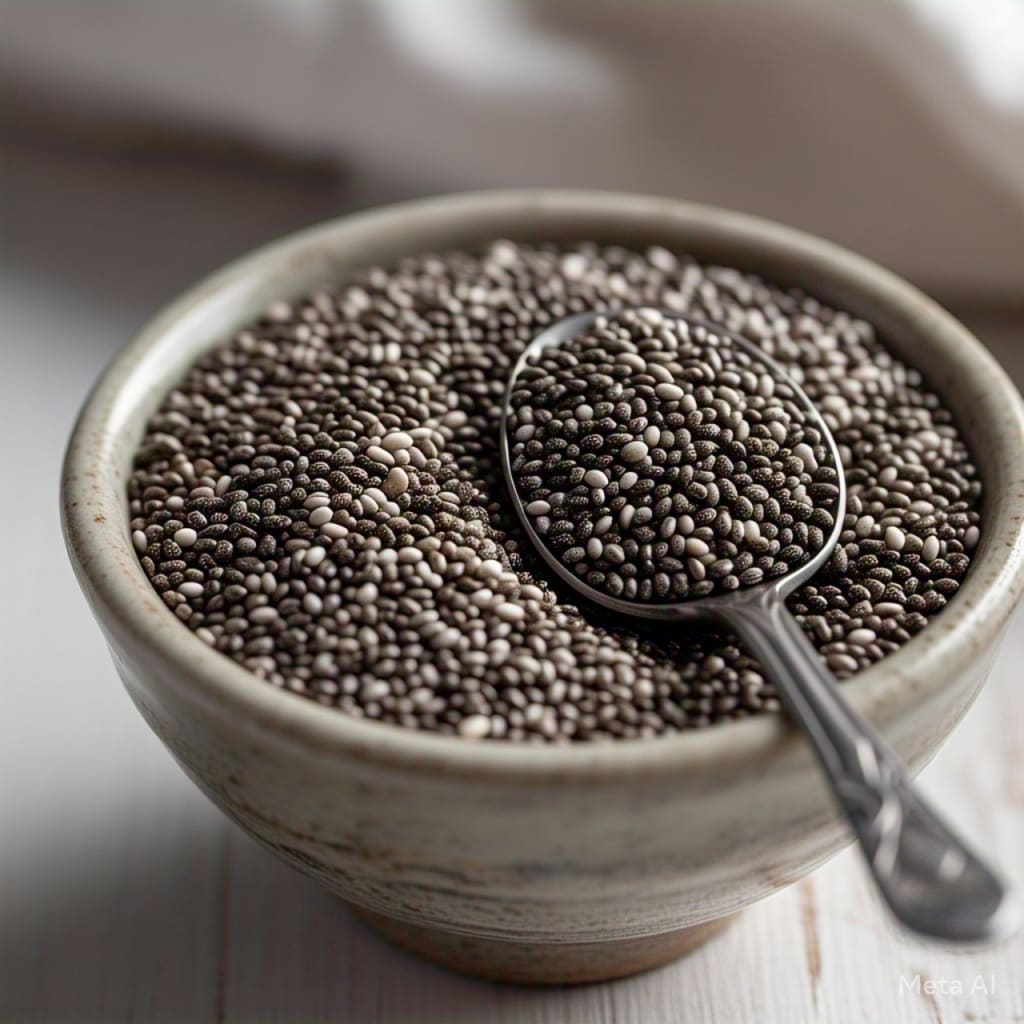
A healthy gut is the foundation of overall well-being, and what you eat plays a crucial role in maintaining it. Enter chia seeds—a tiny but mighty superfood that’s gaining popularity for its incredible health benefits, especially for gut health. Packed with fiber, omega-3 fatty acids, and essential nutrients, chia seeds are a simple yet powerful way to support your digestive system. In this blog, we’ll explore how chia seeds work wonders for your gut microbiome, share tips on incorporating them into your diet, and answer some common questions about this gut-friendly superfood.
What Makes Chia Seeds a Gut Health Superstar?
Chia seeds are small, but they pack a nutritional punch. Here’s why they’re so beneficial for your gut:
•High in Fiber: Just one ounce (28 grams) of chia seeds contains a whopping 11 grams of fiber, which is about 40% of the recommended daily intake. Fiber is essential for promoting regular bowel movements and feeding the good bacteria in your gut.
•Rich in Prebiotics: Chia seeds contain prebiotic fibers that act as food for the beneficial bacteria in your gut, helping them thrive and maintain a balanced microbiome.
•Anti-Inflammatory Properties: The omega-3 fatty acids in chia seeds help reduce inflammation in the gut, which can improve digestion and overall gut health.
•Gel-Forming Ability: When mixed with water, chia seeds form a gel-like substance that can soothe the digestive tract and support healthy digestion.
How Chia Seeds Support a Healthy Gut Microbiome
Your gut microbiome is a complex community of trillions of bacteria that play a vital role in digestion, immunity, and even mental health. Here’s how chia seeds help keep this community thriving:
1. Promote Good Bacteria Growth
The prebiotic fibers in chia seeds act as fuel for the beneficial bacteria in your gut. By feeding these microbes, chia seeds help maintain a balanced and diverse microbiome, which is essential for optimal digestion and overall health.
2. Improve Digestive Regularity
The high fiber content in chia seeds adds bulk to your stool, making it easier to pass and preventing constipation. This keeps your digestive system running smoothly.
3. Reduce Inflammation
Chronic inflammation in the gut can lead to digestive issues like bloating, gas, and irritable bowel syndrome (IBS). The omega-3 fatty acids in chia seeds help reduce inflammation, promoting a healthier gut environment.
4. Support Gut Lining Health
The gel-forming property of chia seeds creates a protective layer in the digestive tract, which can help soothe irritation and support the integrity of the gut lining.
How to Incorporate Chia Seeds into Your Diet
•Chia Pudding: Mix 2 tablespoons of chia seeds with 1 cup of milk (dairy or plant-based) and let it sit overnight. Top with fruits and nuts for a delicious breakfast or snack.
•Smoothies: Blend chia seeds into your favorite smoothie for an extra fiber boost.
•Oatmeal or Yogurt: Sprinkle chia seeds on top of your morning oatmeal or yogurt.
•Baking: Add chia seeds to muffins, bread, or pancakes for a nutritious twist.
•Salads: Sprinkle chia seeds on salads for a crunchy texture and added nutrients.
Tips for Maximizing the Benefits of Chia Seeds
•Stay Hydrated: Chia seeds absorb a lot of water, so drink plenty of fluids to avoid digestive discomfort.
•Start Small: If you’re new to chia seeds, start with a small amount (1 teaspoon) and gradually increase to avoid bloating.
•Soak Before Eating: Soaking chia seeds can make them easier to digest and enhance their gel-forming properties.
FAQs About Chia Seeds and Gut Health
1. How much chia seeds should I eat daily for gut health?
Aim for 1-2 tablespoons (about 10-20 grams) per day to reap the gut health benefits without overdoing it.
2. Can chia seeds cause bloating?
In some people, chia seeds may cause bloating if consumed in large amounts or without enough water. Start with a small portion and drink plenty of fluids.
3. Are chia seeds safe for everyone?
While chia seeds are generally safe, people with digestive conditions like IBS or diverticulitis should consult a doctor before adding them to their diet.
4. Do chia seeds need to be ground for better digestion?
No, chia seeds can be eaten whole. However, soaking them can make them easier to digest.
5. Can chia seeds help with weight loss?
Yes! The high fiber content in chia seeds can help you feel fuller for longer, reducing overall calorie intake
About the Creator
Anu Singh
I am an engineer converted to a content writer.
I love to write on Life skills, motivational topics, teens wellbeing, Art & Style, Good health , Interview Skills, Finance, AI Tools , Astrology Calculators
The Cave Part 6
If you have ever heard a tale about yourself that you cannot remember and doubtless think is made up, you will know how I felt when Tharkin related all that the eagle had seen of me before my memories were scattered. Of far distances and traveling companions that I did not recall, camping out under the stars and making our way to the mountains with deliberate purpose. The great bird had lost contact with my party once we entered the forests, and the seven other members were not seen again by him or his brethren since.
By Jamye Sharp25 days ago in Chapters
Cassian-13: Prologue
Cassian-13: Chapter Links (Follow the story easily here) Prologue “Why do I sense your hesitation?” Dr. Phillip Tenzen dabbed the sweat off his brow with the back of his right hand as he held the clipboard in his left. “Well, it’s just that he, uh, doesn’t fit the psychological profile of, uh…”
By Jean-François Lamothe5 days ago in Chapters
TUS NUA - ch 53
TUS NUA – ch 53 New Beginnings – Mia and Midnight (*)(*)(*) Finola knew Ali’s brother-in-law needed to put his mind at rest. She fed her arm through his and led him outside. “We’ll sit here. If you like, I can put a block around us so our conversation will be private.”
By Margaret Brennan5 days ago in Fiction



Comments
There are no comments for this story
Be the first to respond and start the conversation.